What Is the Best Solar Lamp from China?

Choosing the best solar lamp from China means looking beyond a low price or a bright product photo. China is a major manufacturing base, but product quality can vary between suppliers and even between batches. The International Renewable Energy Agency’s Renewable Capacity Statistics 2024 reports that global solar capacity reached about 1,419 gigawatts by the end of 2023. That growth supports a wider market for solar-powered products, but it does not prove that any individual lamp is reliable.

Look for evidence you can check: measured light output, battery capacity, charging time, and operating hours after a cloudy day. The World Bank Group and IFC’s Lighting Global quality-assurance work offers useful context for evaluating off-grid solar products, including performance and durability. Ask suppliers for current test reports, clear warranty terms, and photos of the actual lamp, panel, and battery labels. Small details matter. A panel shaded by a balcony rail may charge slowly, while a lamp with a replaceable battery may be easier to maintain. “Best” depends on the job: a path light, emergency lamp, and camping lantern need different beam patterns and runtimes. I would not rank a product on advertised lumens alone; real-world testing can expose gaps between specifications and performance. This guide explains what to compare when sourcing a solar lamp from China, while noting that supplier claims still need independent verification.
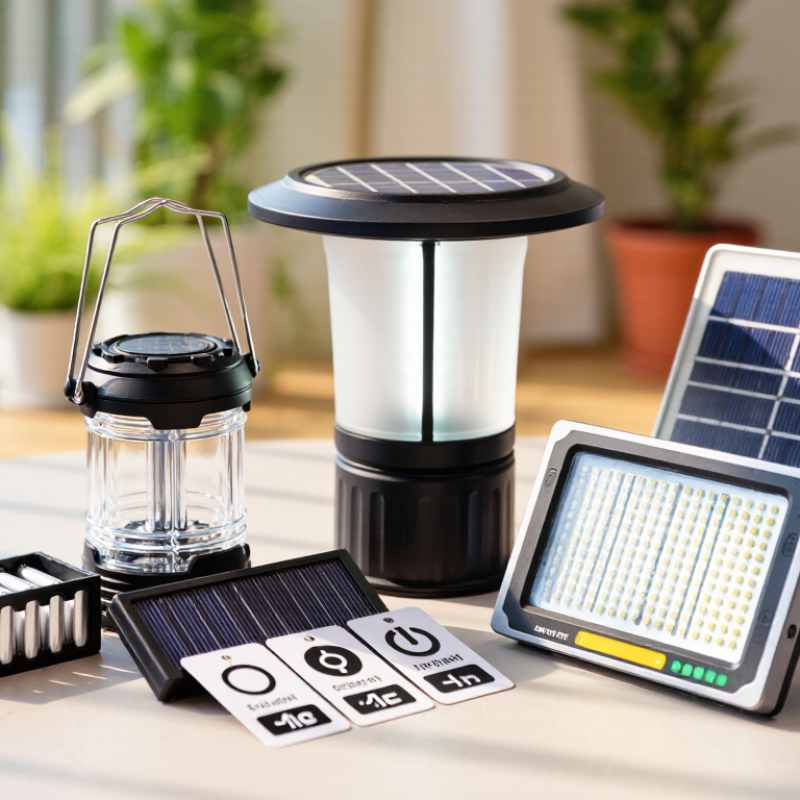
What Is the Best Solar Lamp from China?

What Defines the Best Solar Lamp from China?

What Defines the Best Solar Lamp from China?

A dependable solar lamp is more than a bright bulb in a polished housing. Look for measured light output, useful runtime, weather-resistant construction, and a replaceable battery. The panel should recharge the lamp reliably under the sunlight available at its intended location. NREL’s review of photovoltaic systems found a median module degradation rate of about 0.5% per year. That figure describes PV modules broadly, not every small lamp panel, but it shows why panel quality and long-term performance matter. Small details matter. Check whether the seller provides test results using recognized methods, such as IEC 62257-9-5 for stand-alone renewable-energy products. A large lumen claim without test conditions tells you little.

A strong product should also suit its real setting. A porch light needs different brightness and coverage from a portable lamp used indoors. Check charging time, battery capacity, runtime at the selected brightness, and performance after cloudy days. In product evaluations, I would test the lamp after several charge-and-discharge cycles, rather than trusting a single evening demonstration. I would also inspect seals, cable joints, and the panel angle. These checks are not glamorous, and I may miss something, but they reveal weaknesses that a specification sheet can hide. Compare independent test data with the manufacturer’s stated figures.
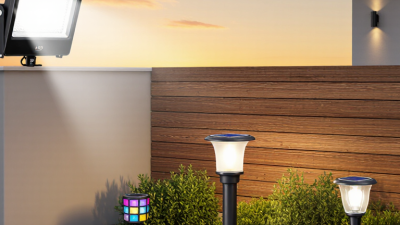
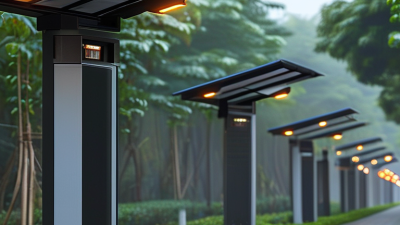
Tips: Place the panel where it receives direct sun, and wipe dust from its surface regularly. Ask for runtime at a stated brightness level. Treat unusually high claims cautiously unless test conditions are clearly disclosed.

How Chinese Solar Lamps Generate and Store Power

What Is the Best Solar Lamp from China?

How Chinese Solar Lamps Generate and Store Power

A solar lamp turns daylight into stored electricity through a small photovoltaic panel. Sunlight releases electrical current in the panel’s cells, producing direct-current power. A charge controller manages that flow and helps prevent overcharging. It also protects the battery from excessive discharge in many designs. Simple process. But the parts must work together.

Most models store energy in rechargeable lithium or lithium iron phosphate batteries. Their capacity, measured in watt-hours, affects how long the lamp can shine after sunset. At dusk, a light sensor can switch on the LEDs, drawing power from the battery. Some lamps use a separate panel, which helps when the fixture sits under an eave or tree. A shaded panel charges poorly. Keep it clear of dust, and aim it toward open daylight where possible. Cloudy weather and winter days can reduce charging time, so advertised runtime is not a guarantee.

When comparing lamps, check panel output, battery capacity, and stated runtime together. A bright setting may drain stored power faster than a low setting. These numbers can still feel less clear than they should; measuring actual overnight performance at the installation site is often the most useful test.

Common Types of Chinese Solar Lamps

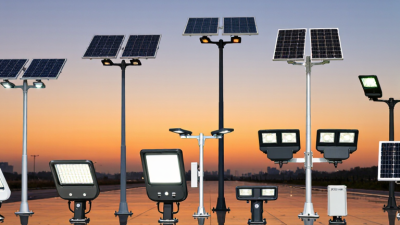
Chinese-made solar lamps generally fit five everyday categories: portable lanterns, garden lights, wall lights, solar streetlights, and small home-lighting kits. Lanterns suit camping or temporary outages; a handle and diffused lens make them easy to carry between rooms. Garden lights usually provide softer, decorative illumination, while wall lights often add motion sensors for entrances and paths. Streetlights need larger panels and batteries, so pole height, shade, and winter sunlight matter.

The IEA’s World Energy Outlook 2023 estimated that about 750 million people worldwide lacked electricity. That figure helps explain why off-grid lighting remains important, but it does not mean every solar lamp can replace household power. For product checks, the World Bank’s Lighting Global quality-assurance work evaluates factors such as runtime, light output, and durability. Ask for test details, not just a bright-looking product photo. A high lumen claim alone says little about how long the lamp stays useful after sunset.

Small home-lighting kits can run several lamps from one panel and battery, making them more practical than a single lantern for daily use. Yet the categories blur in real listings, and comparisons can get messy. A garden light may look powerful at noon and feel weak beside a dark driveway. Check battery capacity, charging time, weather protection, and replaceable parts. I would not judge by brightness alone. The right type depends on where the panel can receive direct sun, and that detail is easy to overlook.

Common Types of Solar Lamps: Typical Light Output

Approximate lumen ranges commonly found across product categories. Actual output varies with design, solar panel, battery, and operating mode.

Garden and path lights are generally designed for accent lighting, while wall lights, floodlights, and street lights are made to illuminate larger areas. Compare rated lumens alongside runtime and battery capacity when choosing a lamp.

Key Factors for Comparing Quality and Performance

What Is the Best Solar Lamp from China?
Key Factors for Comparing Quality and Performance

A reliable comparison starts with measured light, not advertised brightness. Check lumens, beam spread, and color temperature, then test the lamp outdoors after a full day of charging. Note how brightly it shines at dusk and how much light remains before dawn. Battery capacity matters, but usable runtime matters more. Ask for test results under stated conditions, including panel size, battery type, and ambient temperature. A cloudy-day claim without test details is hard to assess.

Panel aging is another factor. NREL’s review of field data found a median photovoltaic-module degradation rate near 0.5% per year. This is a useful reference for panel aging, not a prediction for an entire lamp. Inspect seals, connectors, and the battery compartment, especially if the light will face rain or dust. Compare the stated ingress-protection rating and warranty terms. I would also request a sample for a simple overnight test; specifications alone can miss uneven dimming.

Tips: Record runtime at full brightness and after several cloudy days. Check whether replacement batteries are available. Small detail. It can determine whether the lamp remains useful after its first season. A final caveat: advertised capacity and real-world performance do not always align, so compare independent test reports where possible.

What Is the Best Solar Lamp from China? - Key Factors for Comparing Quality and Performance

Lamp Type Typical Solar and Battery Setup Light Output to Compare Expected Operating Pattern Weather Protection Best Suited For Key Quality Checks
Integrated solar street light Panel, battery, LED module, and controller combined in one housing; monocrystalline panels and LiFePO₄ batteries are common options. Compare independently measured lumens and light distribution, not just advertised “equivalent wattage.” Output varies considerably by size and design. Often designed for dusk-to-dawn operation, with reduced brightness or motion-based dimming to conserve stored energy. Look for a documented IP rating appropriate to outdoor exposure; IP65 is a common target for dust-tight protection and water jets. Roads, paths, and open areas where simple installation is important. Check battery capacity and replacement access, panel size, thermal management, motion-sensor settings, and performance after several cloudy days.
Split solar street light Separate solar panel connected to a lamp head; the battery may be housed in the fixture or installed separately. Assess verified lumen output, beam pattern, and mounting height together; a high lumen figure alone does not guarantee good ground coverage. Can support longer operating schedules when correctly sized for local sunlight, battery capacity, and desired brightness. Confirm the protection rating for both the light and any separate battery enclosure, plus the weather resistance of cable connections. Locations needing flexible panel placement, such as shaded streets or larger outdoor sites. Review panel and battery sizing, cable quality, charge-controller protections, installation requirements, and replaceable components.
Solar garden or pathway light Small integrated panel and rechargeable battery; compact units commonly use lithium-based batteries or other rechargeable chemistries. Usually intended for accent or low-level pathway lighting rather than broad-area illumination; compare measured output and spacing guidance. Runtime depends strongly on panel exposure, season, battery condition, and whether the light stays continuously on or uses a sensor. Choose a rating suitable for rain and outdoor installation; check that seams and ground stakes resist water ingress and corrosion. Garden edges, steps, and decorative or low-level path marking. Look for a replaceable battery, a stable stake or mounting base, consistent brightness, and a panel that remains easy to clean.
Solar floodlight Integrated or separately mounted panel with a rechargeable battery; larger models generally need a larger panel and battery to sustain higher output. Compare measured lumens, beam angle, and illuminated area. Wide beams spread light over more area but may appear less bright at a distance. Many models use motion activation or a lower standby level; continuous high brightness can reduce runtime substantially. Check the stated IP rating and ensure the panel cable entry, joints, and mounting hardware are also suitable for outdoor use. Driveways, yards, entrances, and security lighting. Test motion-sensor range and response, adjustable brightness, battery protection, panel placement, and the difference between advertised and measured output.
Solar wall security light Compact panel and battery, usually integrated into the fixture or linked by a short cable. Typically designed to illuminate an entrance or nearby area; compare sensor-triggered output and coverage rather than headline wattage. Motion-sensing operation can extend use between charges; continuous-on modes usually require more energy. For exposed walls, verify the outdoor IP rating and inspect the housing, seals, and fasteners for durable construction. Doorways, garages, side passages, and small outdoor spaces. Check sensor detection angle and distance, adjustable settings, mounting direction, battery serviceability, and reliable operation after rain.

Comparison note: These are general product-category characteristics, not guaranteed specifications for every lamp. Actual performance depends on component sizing, installation, temperature, sunlight, shading, and operating settings. Request test reports and compare measured light output, battery capacity, and runtime under clearly stated conditions.

How to Choose a Solar Lamp for Your Needs

What Is the Best Solar Lamp from China?

How to Choose a Solar Lamp for Your Needs

The best solar lamp is the one that suits its location and purpose. Start by deciding what it needs to light: a garden path, a doorway, or a larger patio. A small path light may provide a gentle glow, while an entrance benefits from a brighter beam and a motion sensor. Check the stated brightness, but remember that placement and beam direction affect how useful it feels at night.

Look closely at the solar panel and battery details. A lamp in a shaded corner may not charge well, even if its specifications look impressive. For reliable evening light, place the panel where it can receive several hours of direct sun. Check whether the battery can be replaced, too. It is an easy detail to miss, and it may matter after years of use.

Consider weather resistance, installation, and upkeep. A sturdy housing and secure mounting help a lamp handle rain and wind, but no outdoor fixture is maintenance-free. Wipe dust from the panel occasionally, and test the lamp over several evenings before relying on it for a safety-critical area. Specifications are useful, but your own yard may prove less predictable than the product description.

Go to Top