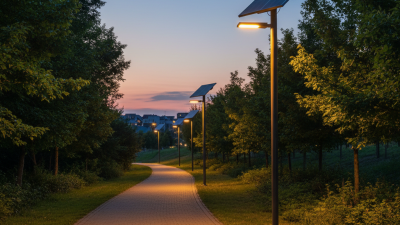
Why Choose All in One Solar Street Lights?

Why Choose All in One Solar Street Lights?

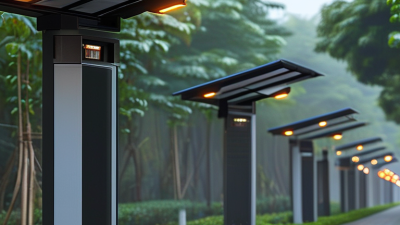
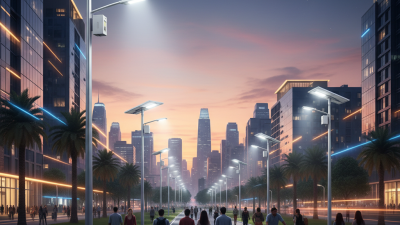
An all in one solar street light combines the panel, battery, LED lamp, and controller in one compact housing. This design reduces exposed wiring and simplifies installation in streets, parks, walkways, and remote areas. A single unit can arrive ready for mounting. That saves time.

Solar lighting engineer and author Michael Boxwell explains the central principle: “Solar lighting must be designed around reliable energy, not impressive brightness.” This view matters because performance depends on sunlight, battery capacity, temperature, and nighttime demand. A bright lamp is not enough. It must work after cloudy days.

Modern all in one solar street light systems use lithium batteries, efficient LEDs, motion sensors, and intelligent controllers. These features can lower grid dependence and reduce trenching costs. They also make maintenance more predictable. Technicians can inspect one integrated unit instead of several separate components.

However, the design is not perfect. A compact housing may limit battery replacement or thermal management. Poorly sized systems can dim before dawn. Shade from trees or nearby buildings creates another problem. These details deserve site testing, not guesswork.

Reliable projects begin with measurable conditions. Engineers should review solar radiation, road width, pole height, traffic patterns, and local weather records. They should also check battery protection, ingress resistance, warranty terms, and spare-part availability. The cheapest quotation may become expensive after repeated service visits.

Choosing this technology means balancing simplicity with long-term evidence. When specifications match the site, an all in one solar street light can deliver clean, practical illumination with fewer installation barriers. That promise sounds simple. The engineering is not.
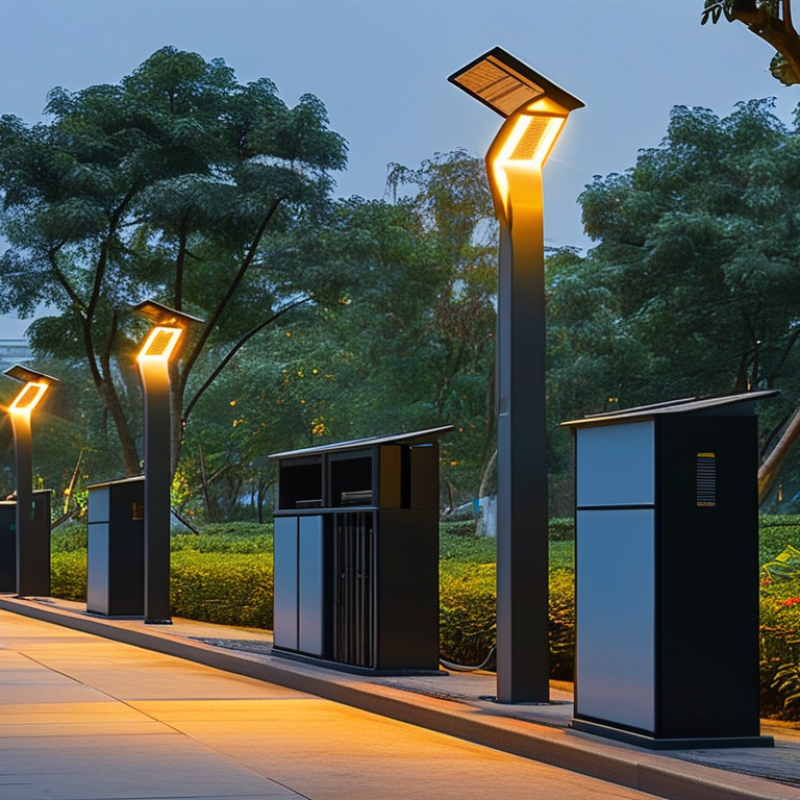
Why Choose All in One Solar Street Lights?

What Are All-in-One Solar Street Lights?

What Are All-in-One Solar Street Lights?

All-in-one solar street lights combine a solar panel, LED lamp, battery, controller, and housing in one compact unit. During daylight, the panel converts sunlight into electricity and stores it in the battery. After sunset, the controller powers the LED automatically. There is no underground cable, separate battery cabinet, or external control box. This integrated structure can simplify installation on rural roads, parks, campuses, and temporary access routes.

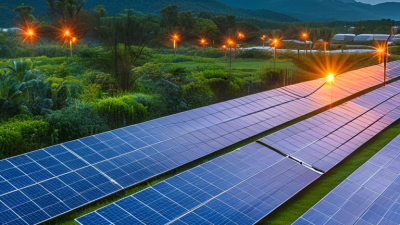
The technology fits a rapidly expanding solar market. IRENA’s Renewable Capacity Statistics 2024 reported 1,419 GW of global solar capacity at the end of 2023. The IEA’s Renewables 2024 report expects renewable capacity to grow by about 5,500 GW from 2024 to 2030, led by solar power. These figures support broader solar adoption, but they do not guarantee reliable lighting at every location.

Site conditions still matter. A shaded road can reduce daily energy collection. Dust, low winter temperatures, and repeated cloudy days can also shorten lighting hours. In field inspections, installers should check sunlight exposure, battery capacity, pole height, and nighttime traffic patterns. A larger panel is not always better. Poorly matched components may waste energy. The design should balance local weather, required brightness, and maintenance access. That balance is often overlooked.

How Do All-in-One Solar Street Lights Work?

All-in-one solar street lights combine the solar panel, LED lamp, battery, controller, and housing in one unit. During daylight, the photovoltaic panel converts sunlight into electrical energy. The controller directs this energy into the battery. At night, stored power runs the LED light automatically.

A light sensor usually detects darkness and activates the lamp. Many systems also reduce brightness when roads are empty. Motion sensors can raise the output when pedestrians or vehicles appear. This saves energy without leaving streets completely dark. The battery type, panel angle, and local weather directly affect operating time. Poor installation can reduce performance.

Field installers often check shading, drainage, and pole direction before mounting the unit. A tree shadow across the panel may matter more than expected. Dust also lowers charging efficiency. In cloudy regions, a larger battery may help, but it increases weight and cost. The system is simple, not flawless. Battery aging remains a practical concern. Regular cleaning and periodic inspections improve reliability. Specifications should match real sunlight conditions, traffic needs, and maintenance access.

What Benefits Do All-in-One Solar Street Lights Offer?

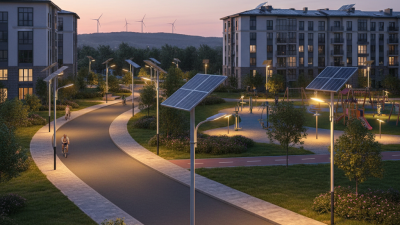
All-in-one solar street lights combine the solar panel, battery, controller, and LED lamp in one compact housing. This design reduces wiring and simplifies installation, especially along rural roads, pathways, parking areas, and construction sites. Fewer separate parts can also mean fewer connection points that fail after rain, dust, or vibration. Installation becomes faster. That matters when labor access is limited.

These lights offer energy savings because they use stored solar power instead of grid electricity. Modern LED systems provide focused illumination with lower consumption. Many models include motion sensors or dimming controls, helping conserve energy during quiet hours. They can also operate in areas without reliable grid access. However, performance depends on sunlight, battery quality, temperature, and correct sizing. I would not call them maintenance-free. Battery replacement and panel cleaning still require planning. Real sites are rarely perfect, and shaded locations may reduce nighttime brightness.

Tips: Check daily sunlight before installation. Avoid placing lights beneath trees, balconies, or tall structures. Match battery capacity with local weather patterns and required operating hours. Review waterproof ratings, mounting strength, and replacement access. A slightly larger system may provide better reliability during several cloudy days. Also, test light distribution at night. Brightness on paper may not equal useful illumination on the ground.

Which Features Define a High-Quality Solar Street Light?

Why Choose All in One Solar Street Lights?

A high-quality solar street light starts with honest energy design. The panel, battery, controller, and lamp must work as one system. The International Energy Agency reports that lighting uses about 15% of global electricity. Efficient outdoor lighting can therefore reduce grid demand, but only when performance lasts beyond the first season.

Check the battery first.

Lithium iron phosphate cells offer strong cycle life and better thermal stability than many older chemistries. A useful system should state usable capacity, not only nominal watt-hours. The controller also needs low-voltage protection, overcharge control, and temperature monitoring. Look for IP65 or higher protection, based on IEC 60529 testing. Dust enters easily around poorly sealed cable joints.

Brightness figures can mislead.

The U.S. Department of Energy’s solid-state lighting reports identify efficacy, controls, and reliability as key development priorities. Ask for maintained lumens, beam distribution, and road-lighting calculations. Uniformity matters more than a bright patch beneath the pole. CIE 115 guidance supports evaluating average illuminance and uniformity together. Motion dimming can save energy, though poor sensors create dark intervals and user complaints. That detail is often underestimated.

Real projects should request independent test records, battery-cycle data, salt-spray results, and a clear warranty.

Laboratory claims are not field experience. Rain, dust, heat, and shaded panels change the result. A small design mistake can leave a road dark before dawn.

How Should All-in-One Solar Street Lights Be Selected and Maintained?

Why Choose All-in-One Solar Street Lights?

How Should All-in-One Solar Street Lights Be Selected and Maintained?

All-in-one solar street lights combine the panel, battery, controller, and LED module inside one housing. This reduces cabling and can simplify installation on narrow roads. Selection should begin with local solar data, not appearance. IRENA’s Renewable Capacity Statistics 2024 records 1,419 GW of global solar capacity at the end of 2023. However, strong global growth does not guarantee sufficient sunlight at one site.

Check winter irradiance, shading, pole height, road width, and required lighting hours. A practical design should include two or three cloudy nights of battery autonomy. Compare usable battery capacity, not only advertised capacity. Lithium batteries usually offer better cycle performance, but heat can shorten their service life. Select LEDs with tested photometric data, suitable color temperature, and automatic dimming. Measure illuminance after installation. Brightness alone is misleading.

The enclosure should resist rain, dust, and impact. IP66 protection is a sensible baseline for exposed roads, while the exact requirement depends on the environment. Follow IEC 60598 safety requirements and verify test certificates from independent laboratories. GOGLA’s off-grid solar market reports repeatedly emphasize quality assurance and after-sales service as key factors in long-term reliability.

Maintenance still matters. Clean the panel every three to six months, especially near construction sites or farmland. Inspect fasteners, cable seals, corrosion, and nighttime brightness. Review battery voltage and controller fault records when available. Real projects are messier. Dust, tree growth, and poor installation can defeat good equipment. A yearly lighting audit may reveal problems before residents report them.

Go to Top