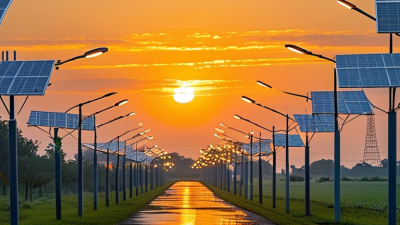
What Is an All in One Solar Street Light?
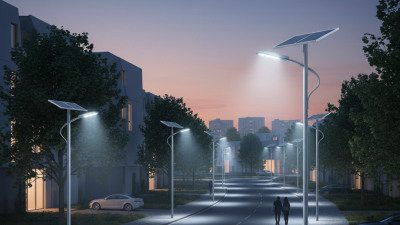
An all in one solar street light combines a photovoltaic panel, battery, LED fixture, controller, and housing in one compact unit. It needs no trenching, underground cable, or conventional grid connection. During daylight, the panel charges the battery. After sunset, the stored energy powers a focused beam across roads, pathways, and public spaces.
The International Energy Agency’s Renewables 2024 report identifies solar PV as a major driver of new renewable capacity growth. IRENA’s Renewable Capacity Statistics 2024 records more than 1.4 terawatts of global solar PV capacity by the end of 2023. These figures do not measure solar street lights directly. However, they show the technology base supporting decentralized lighting. Lighting Global and GOGLA research also links off-grid solar with wider energy access and reduced dependence on kerosene lighting.
Damilola Ogunbiyi, CEO of Sustainable Energy for All, describes energy as “the golden thread that connects economic growth, increased social equity, and a sustainable environment.” Her statement gives solar lighting a broader purpose. A well-designed all in one solar street light can illuminate a bus stop, improve visibility near a school, and reduce electricity costs. Performance still depends on reality. Dust can cover the panel. Shade can weaken charging. Poor battery sizing can shorten nighttime operation. That is the uncomfortable part. Product labels alone cannot guarantee reliable lighting. Site surveys, local weather data, battery quality, lighting distribution, and professional installation remain essential. This guide examines those details with practical caution.
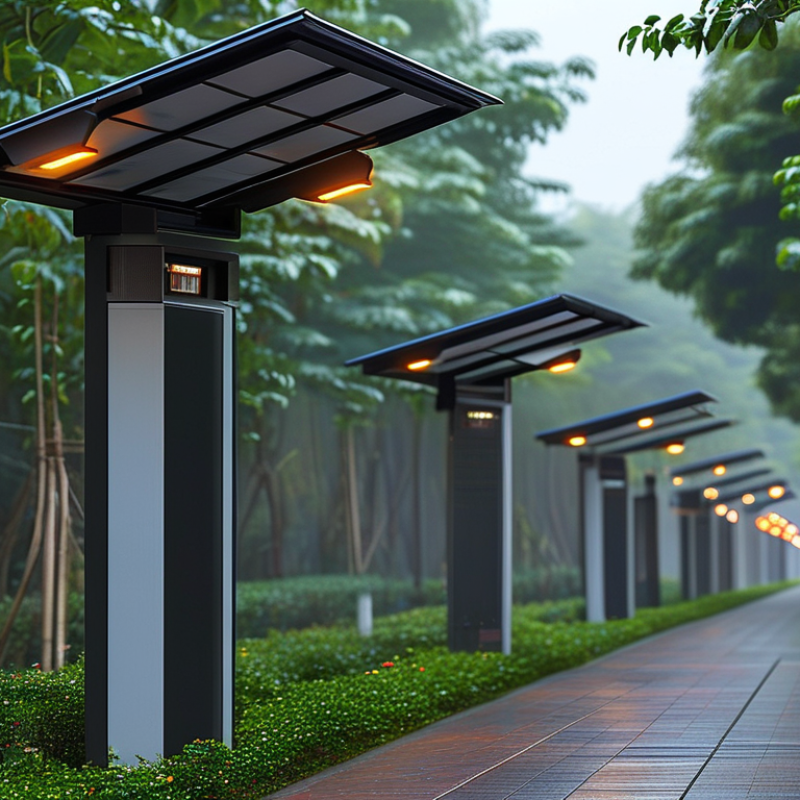
Definition and Core Components of an All-in-One Solar Street Light
What Is an All in One Solar Street Light?
An all-in-one solar street light combines the solar panel, battery, LED lamp, and controller inside one compact housing. It stores sunlight during the day and powers the lamp after sunset. The integrated design reduces exposed cables and simplifies installation. In practical projects, this can lower maintenance needs, especially along rural roads or parking areas.
The solar panel generates electricity, while the battery stores energy for cloudy periods. A charge controller regulates charging and protects the battery from overcharging. The LED module provides efficient illumination, and a photocell or programmable controller manages automatic operation. The housing should resist rain, dust, heat, and vibration. Check its IP rating, battery capacity, lighting distribution, and expected backup hours. A bright lamp is not always a well-designed lamp. Poor placement can still create dark zones.
Tips: Match the system with local sunlight conditions and required lighting hours. Inspect battery aging, panel shading, and drainage during maintenance visits. Do not rely only on advertised wattage. Measure actual illumination where people walk or drive. I have seen promising installations underperform because the pole spacing was too wide. That detail deserves more attention.
How PV Panels, LiFePO₄ Batteries, LEDs, and Controllers Work Together
What Is an All in One Solar Street Light?
An all-in-one solar street light combines a photovoltaic panel, LiFePO₄ battery, LED module, and controller in one outdoor unit. During daylight, the PV panel converts sunlight into electrical energy. The controller regulates this energy before it reaches the battery. This protects the cells from overcharging and excessive discharge. LiFePO₄ chemistry offers stable cycling and good thermal performance when properly designed.
At night, the controller detects low light and powers the LEDs. The LEDs produce bright, focused illumination with relatively low energy demand. A carefully designed optical lens can spread light across a road without wasting it above the lamp. Night demand decides everything. If the battery is undersized, the light may dim before dawn. If the panel is too small, cloudy weather quickly exposes the weakness.
In field installations, performance depends on more than rated wattage. Panel angle, dust, shade, temperature, and local winter sunlight all affect charging. The controller may also adjust brightness through motion sensing or programmed dimming. These features can extend battery runtime, but they require sensible settings. A common design mistake is choosing components separately without checking their electrical compatibility. The battery voltage, charging current, LED load, and controller limits must work together. Real conditions are less predictable than product sheets suggest. Regular inspection still matters, especially around cable seals, mounting hardware, and panel surfaces.
How an All-in-One Solar Street Light Works
This illustrative daily energy balance uses a 120 W photovoltaic panel, 5 peak sun hours, a 95% charge-controller efficiency, and a 40 W LED operating for 12 hours at night. The 768 Wh LiFePO₄ battery is based on a 12.8 V, 60 Ah configuration. Solar energy is converted and stored during the day, then supplied to the LED after sunset, with the remaining energy serving as a reserve.
Key Performance Metrics: 100–200 lm/W LEDs and 2–5 Nights of Autonomy
What Is an All in One Solar Street Light?
An all-in-one solar street light combines the LED lamp, solar panel, battery, controller, and housing in one compact unit. This design reduces exposed wiring and can simplify installation in streets, pathways, parking areas, and remote sites. During daytime, the panel charges the battery. At night, stored energy powers the LEDs automatically.
LED efficiency is a major performance metric. Quality LEDs commonly deliver 100–200 lumens per watt, but higher numbers do not guarantee better lighting. A 150 lm/W system may still perform poorly if the optics waste light or the solar panel is undersized. Check the actual roadway illumination, not only the laboratory rating. Uniform light matters. Dark gaps can create safety concerns.
Autonomy describes how many nights the light can operate without meaningful sunlight. A system rated for 2–5 nights may continue working through cloudy weather, depending on battery capacity, temperature, brightness settings, and daily operating hours. Five nights sounds reassuring. It may be optimistic under cold conditions or heavy rain. In field projects, I would verify battery capacity, usable depth of discharge, and local solar data before accepting the rating. Motion dimming can extend autonomy, but frequent traffic changes the calculation. Performance should be measured over seasons, not one clear week.
Installation Design: Solar Exposure, Pole Height, Lighting Class, and IP65 Rating
An all-in-one solar street light combines the photovoltaic panel, battery, controller, and LED fixture in one housing. Its installation still depends on careful site design. A practical survey should record shading, road direction, traffic use, and seasonal sun movement. The IEA PVPS Trends 2024 report recorded more than 400 GW of new solar capacity worldwide in 2023. That growth shows solar availability is expanding, but local exposure remains decisive.
The panel should face the strongest daily sunlight, away from trees, buildings, and future construction. A small shadow across part of the panel can reduce charging performance. Pole height also affects spacing, glare, and uniformity. For many local roads, 6–8 metres is a workable starting range, but photometric calculations must confirm it.
EN 13201 lighting classes
define performance targets for road users, including average illuminance and uniformity. Choosing a class by guesswork is a common mistake. Traffic speed and pedestrian activity should guide the selection.
The IP65 rating matters in real weather. IEC 60529 defines IP65 as dust-tight protection and resistance to water jets from any direction. It does not mean the unit can be submerged. Battery sealing, cable glands, and drainage still deserve inspection.
The Global Solar Atlas provides useful irradiation estimates, yet field measurements may differ because of haze, dust, or nearby structures.
Perfect design is rare. A conservative battery reserve and a second site review can prevent an attractive installation from becoming a dim one.
Applications, Maintenance, and 2,000–5,000-Cycle Battery Lifespan
What Is an All in One Solar Street Light?
An all-in-one solar street light combines the solar panel, LED lamp, battery, and controller in one outdoor housing. It works well along rural roads, parking areas, walking paths, and construction sites without grid access. During daylight, the panel charges the battery. After sunset, a sensor activates the LED light automatically.
Field inspections often show that placement matters more than advertised brightness. Install the unit where trees, walls, or buildings will not shade the panel. Keep the lamp high enough to spread light, but allow safe access for inspection. Dust, bird deposits, and leaves can reduce charging performance. Wipe the panel with clean water and a soft cloth every few months. Check mounting bolts, seals, wiring, and unusual dimming after severe weather.
The battery may deliver 2,000–5,000 charge cycles, depending on its chemistry, temperature, discharge depth, and charging control. A warm coastal site may age a battery faster than a dry, mild location. That range is useful, but it is not a guarantee. In practice, poor sizing or repeated deep discharge can shorten service life noticeably. A practical maintenance log should record nighttime runtime, panel cleanliness, and seasonal changes. Small records help reveal problems before the road becomes dark. One limitation remains: integrated parts can make replacement less convenient than separate components.