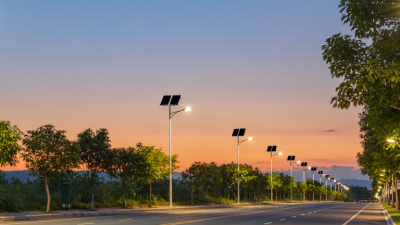
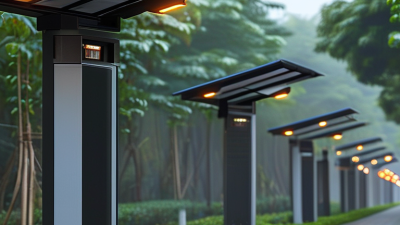
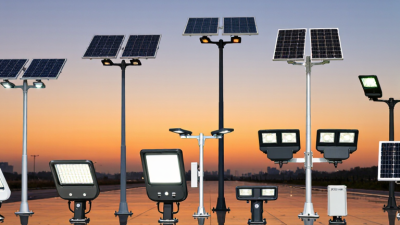
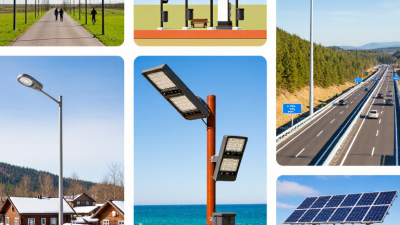
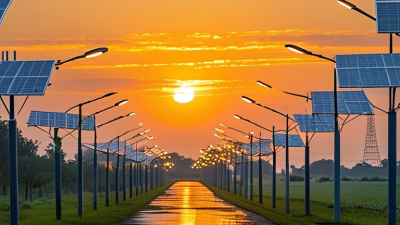
Solar pole lights are not one uniform product. Their designs range from compact all-in-one units to split-panel systems, where the photovoltaic panel sits above or beside the luminaire. Buyers may also compare decorative poles, high-output roadway models, and motion-responsive lights. Each serves a different site, from a garden path to a broad parking area.
The market context is expanding. The International Energy Agency’s Renewables 2024 report says global renewable capacity additions reached nearly 510 gigawatts in 2023; solar photovoltaic power supplied about three-quarters of that growth. This does not prove every solar pole light is reliable. It does show why buyers should look beyond the panel’s advertised wattage. Battery capacity, usable winter sunlight, optical distribution, and replacement access matter at the pole. Small details count.
IEA Executive Director Fatih Birol said, “The world is set to add as much renewable power in the next five years as it did in the past 20.” That forecast concerns renewables broadly, not pole lights alone. Still, it frames the technology’s wider momentum. This guide compares the leading solar pole light types in 2026, including integrated, split-panel, decorative, and sensor-controlled options. It will examine where each fits, what trade-offs to expect, and which specifications deserve scrutiny. A neat product label can hide a weak battery. The categories also overlap, so no single type is automatically best.
Solar pole lights are best classified by both construction and job. All-in-one models place the panel, battery, and LED head together above the pole. They suit paths and small parking areas, where installation needs to stay simple. Split-panel systems separate the solar module from the lamp. Their adjustable panels can help when trees shade the pole or winter sun sits low. They need more careful wiring and positioning, though.
Use creates another distinction. Roadway fixtures prioritize even light along long stretches; area lights spread illumination across lots, entrances, or work yards. Decorative lanterns favor appearance and lower mounting heights, while security-focused models often add motion sensing. These categories overlap. A bright area light may still leave dark gaps if poles are spaced too far apart. IRENA’s Renewable Power Generation Costs in 2023 reports that utility-scale solar PV costs fell 90% between 2010 and 2023; that trend supports solar adoption, but does not guarantee a pole light’s performance or payback.
Tips: Check the panel’s daily sun exposure, battery capacity, and rated operating hours before choosing a style. The U.S. Department of Energy notes that LED street-lighting upgrades can cut energy use by 50% or more versus conventional lighting. Still, field results vary with shade, temperature, and maintenance. One overlooked detail: dust on a panel can quietly reduce charging, so plan access for cleaning.
How Solar Pole Lights Are Classified by Design and Use
Solar pole lights are commonly classified by the area they illuminate and their fixture design. The ranges shown are indicative mounting heights in meters, not fixed standards; actual specifications depend on the site, required light coverage, and local conditions.
Integrated solar pole lights combine the photovoltaic panel, battery, controller, and LED fixture into one compact unit. This reduces separate components and avoids long electrical runs. Fewer parts to coordinate.
For a small parking area or garden path, installation may involve securing the pole, attaching the light, and setting its direction. The pole still needs a stable foundation, and heavy units may require lifting equipment. “Simple” does not mean effortless. Check the mounting dimensions, pole height, and fixture weight before ordering; these details can complicate an otherwise tidy installation.
Placement matters just as much as assembly. A panel shaded by roof edges or tree branches may collect less energy, especially during shorter winter days. Look for a spot with clear sunlight, then confirm the unit’s stated battery capacity and expected operating time. Motion-dimming settings can help conserve power, but frequent activation may shorten the time spent at full brightness. Integrated designs are compact, though a failed internal component may be less convenient to replace than a separate part. That trade-off deserves attention. Review the service instructions and make sure the light suits the site’s climate and overnight lighting needs.
Split solar pole lights separate the photovoltaic panel from the lamp head, linking them with a cable. This layout helps when a pole sits beneath a roof edge, tree canopy, or wide sign. The panel can face a sunnier patch while the light stays centered over a path or gate. That flexibility matters.
Before installation, check the cable route, pole dimensions, and the panel’s daily exposure. Even partial shade during peak sunlight can reduce charging, and winter daylight may be limited. Use a suitable mounting angle, then inspect it after strong winds or seasonal changes. A compass alone is not enough; nearby walls can cast moving shadows across the panel. Small details count.
Split models can suit parking areas, garden entrances, or walkways where the pole and best solar position do not align. Compare battery capacity, light output, sensor settings, and stated runtime under realistic conditions. Published runtime often assumes favorable charging and moderate use, so treat it as a guide, not a promise. Keep the panel clean and check connectors periodically, especially where dust or rain collects. Cable management can be a drawback: a loose or poorly protected cable may become a maintenance problem. Plan for that.
| Type | Typical Configuration | Solar Panel Placement | Main Advantages | Key Considerations | Common Applications |
|---|---|---|---|---|---|
| Split solar pole light | Panel, battery, and LED luminaire are separate components connected by wiring. | Panel can be mounted apart from the light, positioned and angled to suit the available sunlight. | Offers flexible panel placement; can help avoid shade from buildings or trees; components can be selected or serviced separately. | Requires cable routing and secure mounting for each component. Check cable length, weather protection, and compatibility during design. | Sites with partial shade, unusual pole layouts, or a need to place the panel in a sunnier location. |
| All-in-one integrated solar pole light | LEDs, battery, controller, and panel are combined in one luminaire unit. | Panel is attached to the fixture, commonly on its upper surface. | Compact installation with fewer separate components and no external panel-to-fixture cable run. | Panel orientation is tied to fixture placement; surrounding shade and pole orientation can affect solar exposure. | Open areas with good sun exposure and projects prioritizing straightforward installation. |
| Semi-integrated solar pole light | Panel is separate, while the battery, controller, and LED luminaire are housed together. | Separate panel can be mounted at a suitable angle or location near the pole. | Combines a compact lighting unit with more freedom to position the panel than an all-in-one design. | Needs a panel support and cable connection; verify that the panel position receives adequate daily sunlight. | Locations where the fixture should remain compact but the pole top is not ideal for panel exposure. |
| Remote-battery solar pole light | Battery is housed separately from the luminaire; panel and control components may also be separate. | Panel is mounted independently and can be oriented for site conditions. | Allows battery placement in an accessible or protected enclosure and can simplify battery servicing. | Requires a suitable enclosure, protected wiring, and attention to temperature, moisture, and maintenance access. | Installations where battery access, protection, or replacement is an important design consideration. |
| Solar-hybrid pole light | Uses a solar system with a supplementary grid connection or another designed backup power source. | Panel is typically mounted separately or integrated, depending on the system design. | Can provide an alternative power source when solar energy or stored battery energy is insufficient. | Requires compatible controls, additional electrical planning, and a suitable backup supply; system behavior varies by design. | Sites requiring more consistent lighting availability or already served by electrical infrastructure. |
| Solar retrofit pole-top light | A solar lighting assembly is fitted to an existing pole, subject to structural and electrical suitability. | Panel may be attached to the fixture or installed separately on the pole. | Can reuse existing pole infrastructure and avoid some work associated with installing new poles. | Check pole condition, mounting compatibility, wind loading, sun exposure, and local installation requirements. | Lighting upgrades where existing poles are suitable for reuse. |
Selection note: Actual performance depends on system sizing, sunlight, shading, battery capacity, operating schedule, weather, and installation conditions. Confirm site requirements and product specifications before choosing a configuration.
Decorative Solar Pole Lights for Paths and Outdoor Spaces
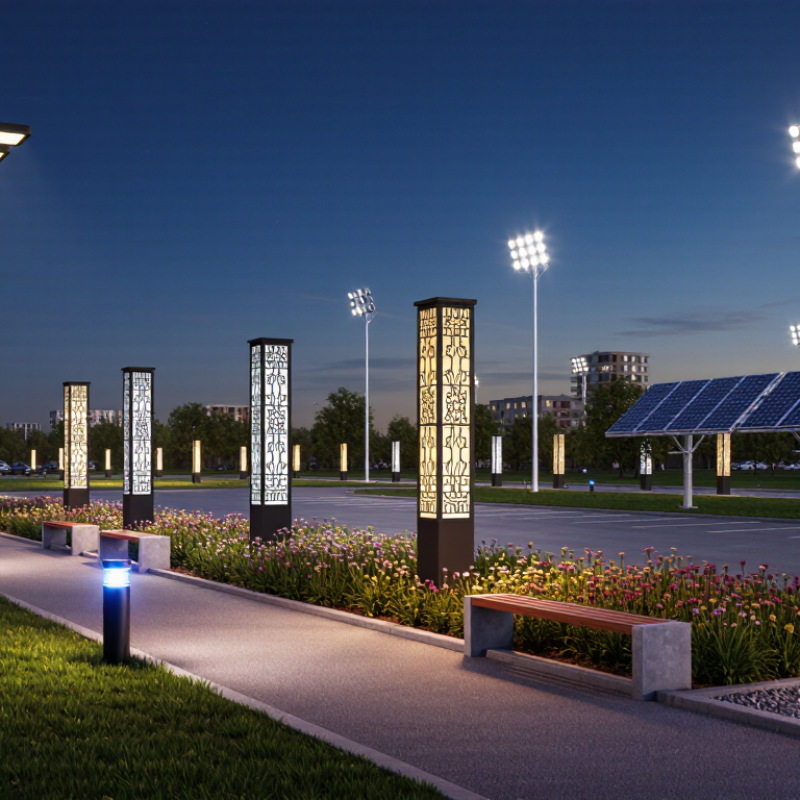
Decorative solar pole lights bring a gentle glow to garden paths, patios, and driveway edges. Popular styles include cap-top lights for existing posts, lantern-style fixtures for a classic look, and slim bollard lights for low planting beds. Choose warm-white light for a relaxed feel, or brighter output where people need to see steps clearly. Soft glow matters. IRENA’s Renewable Capacity Statistics 2024 reports that solar power added 346 GW of global capacity in 2023, about 73% of all new renewable capacity. That growth reflects wider solar adoption, but it does not guarantee a garden light will perform well in every location.
Tips: Place fixtures where panels receive several hours of direct sun, and avoid shading from branches or fences. Check the battery and weather-resistance details before buying. Space lights to guide the eye, not to illuminate every inch; too many can make a small path feel harsh. On cloudy, short winter days, runtime may drop. That part is easy to overlook. Test one fixture through changing weather before installing a full row, then adjust spacing to suit the actual brightness.
High-output solar pole lights are designed for streets, parking areas, campuses, and other open spaces where broad, reliable coverage matters. Choose by usable light distribution, not lumen claims alone. A roadway needs controlled forward and side lighting; an open lot may benefit from wider optics. Ask for a photometric layout showing expected brightness and uniformity at the planned pole height and spacing. That detail matters. It helps reveal dark gaps before installation.
Solar performance depends on the whole system: panel size, battery capacity, fixture output, and local sunlight. Check the expected operating hours and how the system handles several cloudy days. Shade from trees or nearby buildings can reduce charging, even when a site looks sunny at noon. Real sites vary. Motion dimming or scheduled output can extend runtime, but settings should still suit vehicle and pedestrian activity. Review glare, color temperature, and maintenance access, too. A tidy specification sheet may not reflect winter conditions or future tree growth; that is an easy detail to overlook. Ask an experienced installer to assess seasonal sun exposure and recommend spacing for the actual site.