How to Buy Solar Street Lights for Global Projects?
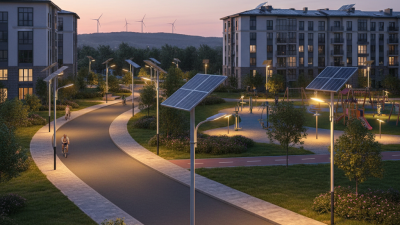
When embarking on global projects that require effective street lighting, solar street lights emerge as a sustainable solution. These lights harness the sun's energy, reducing reliance on traditional power sources and minimizing environmental impact. However, purchasing solar street lights is not as straightforward as it may seem.
Consideration of various factors is essential. For instance, understand your project's unique requirements. Are you lighting a busy urban street or a rural pathway? Assess the specific needs of your location, including sunlight availability and traffic patterns. Moreover, reliability plays a crucial role. Not all solar street lights are equal in quality. Research reputable manufacturers with proven expertise in the industry.
It's vital to reflect on your choices. Sometimes, a cheaper option may lead to higher long-term costs. Quality matters. Ensure your selected lights have durable materials and efficient solar panels. Engage with experts who can provide insights and practical advice. Investing time in understanding these products can lead to significantly improved lighting solutions for your projects.
Understanding the Importance of Solar Street Lights in Global Projects
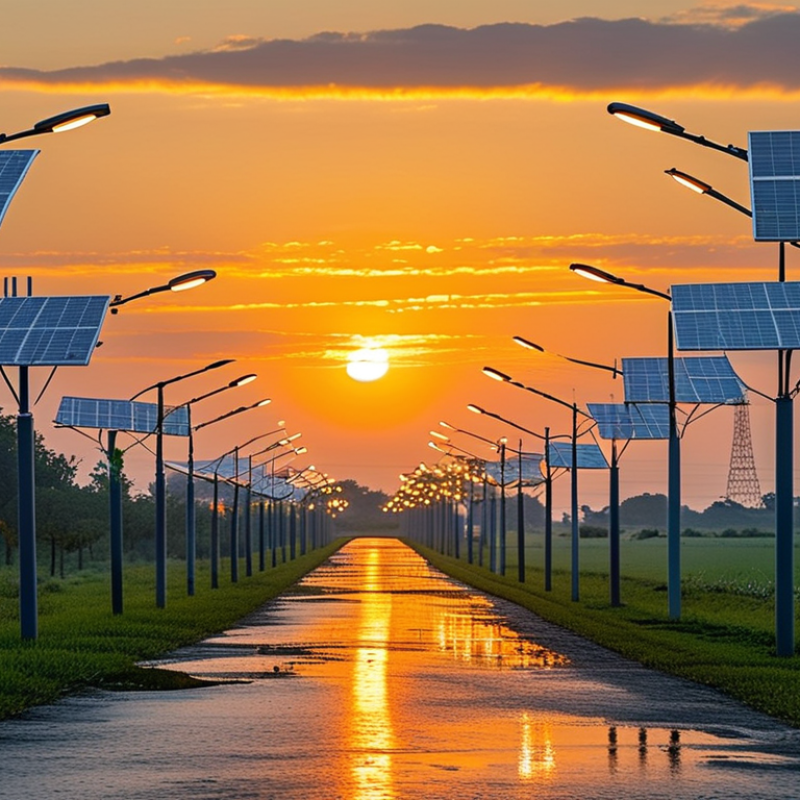
Solar street lights play a significant role in enhancing urban infrastructure globally. They provide essential illumination, improving safety and security in public spaces. According to a report by Allied Market Research, the global solar street lighting market is projected to reach $12 billion by 2026, indicating a growing recognition of their benefits. These lights reduce dependency on traditional energy sources, making them crucial for sustainable development.
Adopting solar technology decreases energy costs and minimizes carbon emissions. A study by the International Renewable Energy Agency shows that solar lighting can reduce electricity costs by up to 80%. However, challenges remain. For instance, the effectiveness of solar street lights can vary depending on geographic location and weather conditions. In regions with prolonged cloudy seasons, their performance may decline. This variability underscores the need for careful project planning and selection.
While many projects successfully implement solar street lights, some face obstacles such as inadequate funding and poor installation practices. Research indicates that about 30% of these systems fail due to improper installation. This highlights the importance of expert advice and reliable data in the buying process. Understanding local requirements and environmental factors is essential for the successful deployment of solar street lighting solutions in any global initiative.
Key Considerations for Selecting Solar Street Lights
When selecting solar street lights for global projects, several key considerations arise. Energy efficiency is paramount. A Solar Energy Industries Association report indicates that well-designed solar street lights can reduce energy consumption by up to 75%. This is crucial for projects in areas with limited access to electricity.
The quality of solar panels and batteries is fundamental. Look for products certified by recognized organizations. Research shows that high-grade lithium-ion batteries offer longer life spans and better performance in varying temperatures. Temperature fluctuations can lead to significant efficiency losses.
Installation convenience cannot be overlooked. Proper installation ensures optimal solar exposure and functionality. Projects often run into delays due to poor site assessments or unforeseen site conditions. A thorough upfront evaluation avoids these pitfalls. Be aware that sometimes cheaper options lead to higher maintenance costs. Aim for reliability and longevity to ensure better overall value in the long run.
Evaluating Different Types of Solar Street Light Technologies
When considering solar street light technologies, one must evaluate several key factors. The two most common types are solar LED lights and those utilizing solar CFL technology.
LED lights are more energy-efficient, converting about 80% of electricity into light. In contrast, CFL lights are less efficient, with around 60% of energy wasted as heat. As cities aim for sustainability, the preference for LED remains strong. Industry reports from the Solar Energy Industries Association indicate that LED street lighting can save municipalities up to 50-75% on energy costs.
Battery life is another critical consideration. Most solar street lights rely on lithium-ion or lead-acid batteries.
Lithium-ion batteries typically have longer lifespans, lasting about 10 years, compared to lead-acid's approximate 3-5 years. However, these come at a higher initial cost. A report from the International Renewable Energy Agency suggests that investing in better batteries can reduce long-term maintenance and replacement costs significantly.
Finally, the choice of solar panel type affects overall performance. Monocrystalline panels are known for their high efficiency and space-saving qualities. Polycrystalline panels, while generally less efficient, are more affordable. Ultimately, project developers must weigh efficiency against budget constraints. However, the constant evolution of technology means there are often trade-offs to consider, and ongoing advancements can impact these decisions.
Factors Influencing the Cost of Solar Street Lights
When considering solar street lights for global projects, several cost factors come into play. Understanding these can help in making informed decisions. The initial cost is influenced by materials used in manufacturing. Higher quality components tend to be more expensive but ensure longevity and better efficiency. Cheaper lights might save money upfront but can lead to higher maintenance costs later.
Installation costs also vary depending on the complexity of the site. Simple setups may require fewer resources, while challenging terrains could lead to additional expenses. Always factor in transportation costs, especially for remote locations. This can significantly impact the overall budget.
Selecting the right solar street lights can be overwhelming. Not all lights are created equal. Choose options with adequate warranties, as this can reflect their reliability. You might find that investing a bit more initially pays off through lower energy bills and fewer replacements. Regularly compare different manufacturers to understand the market better. This will help you avoid the dissatisfaction of overspending for lesser quality.
Factors Influencing the Cost of Solar Street Lights
Best Practices for Installation and Maintenance of Solar Street Lights
When installing solar street lights, location is crucial. The placement should maximize sunlight exposure. Areas with tall buildings or dense trees can reduce efficiency. Conduct a site survey to identify optimal spots. Knowing the local climate helps gauge how much solar energy will be available. This impacts battery performance and overall functionality.
Regular maintenance ensures long-lasting performance. Clean the solar panels to remove dust and debris. A dirty panel can significantly reduce energy absorption. Check the batteries and wiring periodically for any signs of wear. Replace faulty components promptly to avoid extended downtimes. Keeping records of installations and maintenance schedules can provide valuable insights over time.
Moreover, community engagement should not be overlooked. Involving local residents in discussions can help address potential issues early. Some may have valuable input on placement or concerns about light pollution. Listening to feedback can improve acceptance and effectiveness of the installations. Reflecting on these aspects can enhance project outcomes and overall satisfaction.
How to Buy Solar Street Lights for Global Projects? - Best Practices for Installation and Maintenance of Solar Street Lights
| Criteria |
Details |
| Power Source |
Solar panels with rechargeable batteries |
| Light Source |
LED technology for energy efficiency |
| Installation Height |
Min 10 feet for optimal light spread |
| Maintenance Frequency |
Biannual checks recommended |
| Battery Lifespan |
Typically 3-5 years |
| Solar Panel Efficiency |
15% - 22% depending on technology |
| Warranty Period |
5 years for most components |
| Cost Range |
$200 - $500 per unit |