Choosing the top solar LED lights in China takes more than comparing bright product photos. A light may look powerful online but perform differently after a cloudy afternoon or a long winter night. The details matter. This guide examines the features that make a practical solar led system, from panel size and battery capacity to measured brightness, charging time, and operating hours. It also considers construction: sealed cable entries, sturdy mounting brackets, and weather-resistant housings can matter as much as a high lumen figure.
China offers a wide range of solar lighting, including garden lamps, streetlights, security floodlights, and portable models. Their specifications and after-sales support vary between manufacturers, so a single ranking may not suit every buyer. A careful shortlist should match the light to its setting. A path lamp needs dependable dusk-to-dawn operation; a yard floodlight may need a motion sensor and a focused beam. Check whether runtime figures describe real use or ideal test conditions, and look for clear warranty terms and replacement-part information. Small print counts.
This comparison will help readers assess product claims, identify useful features, and ask better questions before purchasing. No specification sheet tells the whole story. I would also leave room for doubt: performance depends on placement, weather, and installation, not just the label.
A solar LED light combines a photovoltaic panel, a rechargeable battery, a controller, and LED chips. In daylight, the panel converts sunlight into electricity, and the controller regulates charging. After dusk, a light sensor switches on the LEDs, drawing stored energy from the battery. Simple in principle. The IEA PVPS Snapshot 2024 reports that global solar PV capacity reached about 1, nar? Wait exact 1, in 2023. Need no typo. 1,412 GW. This is a broad shift toward solar electricity, though it does not measure outdoor lamp performance.
LEDs use less energy than older lighting technologies, helping small batteries power lights for longer. The U.S. Department of Energy says residential LEDs use at least 75% less energy than incandescent lighting. Small panel, big trade-off. Shade, winter daylight, panel angle, and battery age can all shorten runtime. A high lumen figure alone does not guarantee dependable lighting; check battery capacity and stated hours at a specified brightness. One design detail is easy to overlook: a motion sensor can conserve power, but may feel inconvenient on a frequently used path. Tests should reflect the actual site, not just a sunny showroom.
Solar LED lights use a photovoltaic panel to convert sunlight into electricity, store energy in a battery, and power LEDs when needed. The chart shows an illustrative daily energy budget for a small system—not a brand comparison or a measured market average.
Example assumptions: 100 Wh of daily solar harvest, 80% usable battery energy, and 90% conversion efficiency from the battery to the LED. That leaves about 72 Wh for the light—enough for roughly 7.2 hours at a 10 W LED load. Actual runtime varies with sunlight, system design, battery condition, and lighting settings.
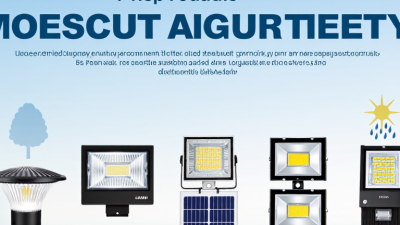
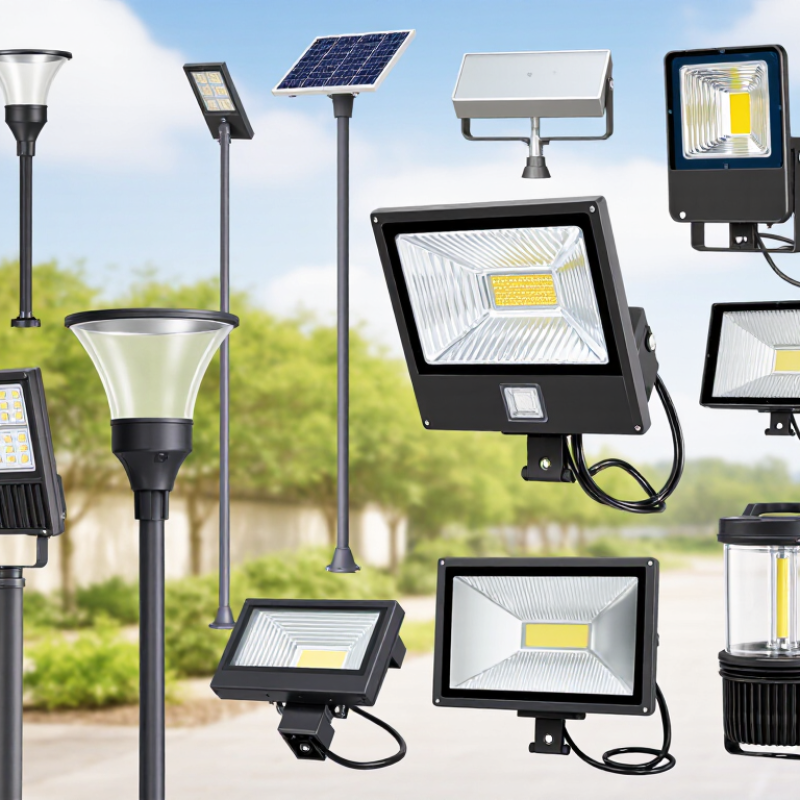
Solar LED lights in China mainly fall into street, garden, wall, floodlight, and portable types. Street lights serve roads, factory yards, and village lanes. All-in-one models place the panel, battery, and LED head together, while split designs let installers position the panel for better sun exposure. That flexibility matters on shaded streets.
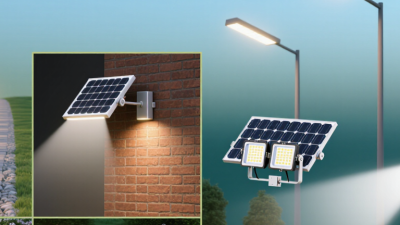
Garden and pathway lights usually provide softer, lower-level illumination around steps, planting beds, and entrances. Wall lights often add motion sensors for doorways or side passages. Floodlights cast wider beams over courtyards and loading areas, but their larger panels and batteries need suitable mounting space. Small paths differ. Portable solar lamps suit temporary outdoor use; check charging time and runtime rather than relying on peak brightness alone.
China’s solar manufacturing context is substantial: IEA PVPS reported 216.9 GW of new solar PV capacity in China in 2023. This is a power-sector figure, not a count of solar lights, so it should not be treated as a lighting-market estimate. When comparing products, check battery chemistry, panel rating, ingress protection, and stated runtime together. A high lumen figure can look impressive, but performance may fall after cloudy days or in winter. That trade-off is easy to overlook.
| Light Type | Common Applications | Typical LED Power | Solar Panel and Battery Setup | Typical Features | Key Selection Considerations |
|---|---|---|---|---|---|
| Solar Street Lights | Roads, residential streets, parking areas, rural routes, and public spaces | About 20–100 W, depending on road width and required illumination | Separate or integrated solar panel; rechargeable lithium or LiFePO₄ battery; capacity varies by system size | Photocell or timer control, dusk-to-dawn operation, and optional motion-based dimming | Check lighting distribution, pole height, local sunlight conditions, battery autonomy, and maintenance access |
| Solar Garden and Pathway Lights | Gardens, paths, courtyards, driveways, and landscape borders | About 0.5–5 W | Usually a small integrated panel with a compact rechargeable battery | Low-voltage operation, automatic night activation, and decorative or downward-facing light | Best suited to accent and wayfinding illumination; performance depends on direct sunlight and panel placement |
| Solar Flood and Security Lights | Building entrances, yards, garages, exterior walls, and remote work areas | About 10–100 W | Integrated or separately mounted panel paired with a rechargeable battery | Wide beam, motion sensor options, adjustable settings, and outdoor-rated housings | Review sensor range, beam angle, mounting position, weather resistance, and whether the advertised wattage is actual LED input power |
| Solar Wall Lights | Exterior walls, gates, balconies, porches, and building entrances | About 1–15 W | Typically an integrated panel and battery; some models use a separate panel for shaded locations | Compact installation, automatic dusk activation, and optional motion sensing | Choose a sun-facing location where possible, and check the light output and coverage needed for the entrance |
| Solar Traffic and Sign Lights | Road signs, warning beacons, temporary traffic controls, and remote indicators | Varies by beacon or sign design; generally optimized for visibility rather than area lighting | Solar panel and rechargeable battery sized for the required operating schedule | Flashing or steady operation, high-visibility LEDs, and autonomous use at locations without grid power | Confirm visibility distance, flash pattern, applicable local requirements, and reliable operation during low-sun periods |
| Portable Solar Lanterns and Work Lights | Camping, emergency kits, outdoor work, and temporary lighting | About 1–20 W | Built-in rechargeable battery; charging may be through an attached panel or a separate solar panel | Portable design, multiple brightness settings, and sometimes USB charging | Compare runtime at each brightness level, charging time, battery capacity, and portability |
Note: Power ranges and configurations are indicative examples, not a product ranking. Actual performance varies with design, panel size, battery capacity, installation, weather, and seasonal sunlight.
For homes, solar LED lights work well around gates, garden paths, balconies, and rural courtyards. A motion sensor can brighten a doorway when someone arrives, while a softer setting saves stored energy overnight. Placement matters: a panel shaded by a roof or tree may not recharge fully. Small details matter. Homeowners should check whether the battery and light can be replaced, not just how bright the lamp looks in a product photo.
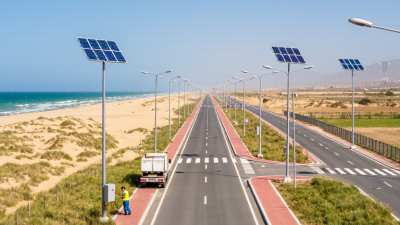
On streets, solar lights can illuminate village roads, footpaths, parks, and bus stops without trenching cables to every pole. Good systems are planned around pole spacing, local sunlight, and several cloudy days—not just a sunny afternoon. A road needs even coverage, especially near crossings and bends. Brightness alone is not enough. Poor spacing can leave dark patches, and cold or wet seasons may reduce runtime.
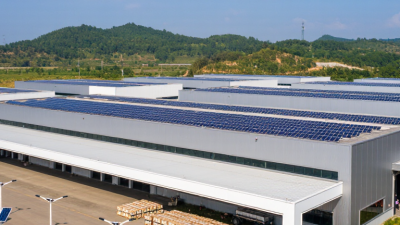
Industrial sites use solar LED fixtures for yards, perimeter routes, remote equipment areas, and loading zones. These settings need sturdy housings, secure mounting, and batteries sized for longer operating hours. A warehouse entrance may need steady light, while a seldom-used service road may suit motion control. The trade-off is real: higher capacity adds cost and weight. Site managers should review seasonal shade, cleaning access, and actual night-time use before choosing a system. Solar lighting is useful, but it is not a fit for every location.
What Are the Top Solar LED Lights in China? How to Evaluate the Quality of Solar LED Lights
Quality depends on how a light performs after sunset, not just how bright its packaging looks. Match its output to the space: a doorway needs less coverage than a long garden path. Check the stated lumen level and whether the fixture offers adjustable brightness. Not just brightness. A narrow beam can leave dark patches between lights.
Look closely at the solar panel, battery, and housing. The panel should face direct sunlight, while a replaceable battery can make future maintenance easier. Compare battery capacity and charging time, but treat runtime claims cautiously; cloudy weather and winter days reduce charging. Check the water-resistance rating and inspect seals, screws, and cable entries for gaps. Small details matter.
If possible, test a sample through several evenings. Note how long it stays bright, whether its motion sensor responds reliably, and how quickly the panel collects dust. A specification sheet cannot show every weakness. It can also be tempting to choose the cheapest option, though a weak battery may cost more in replacements. Ask for clear test data and warranty terms, then compare products under the same conditions.
Chinese solar LED suppliers serve several practical needs, from garden paths to warehouses and rural roads. Their product ranges often include compact bollards, wall lights, streetlights, and high-output floodlights. Many models combine LED chips with monocrystalline panels, rechargeable batteries, and dusk-to-dawn controls. The exact setup varies, so buyers should check each specification rather than assume every light performs alike.
For outdoor use, look for a clearly stated ingress protection rating, a durable housing, and a battery suited to local weather. Some streetlights offer motion sensing or adjustable brightness to preserve stored energy on cloudy days. Others use separate panels, which can help when the fixture sits in shade. Small details matter. Ask whether batteries and controllers can be replaced, and how long replacement parts remain available.
Product claims deserve careful checking. A large wattage figure alone does not reveal usable brightness or runtime. Request test reports, battery capacity, panel output, and results under defined conditions. Compare performance after several rainy days, not only on a sunny afternoon. That is not enough. Installation height, panel angle, and nearby trees can change results considerably. A supplier with clear technical documents and responsive after-sales support may be a safer choice than one offering the lowest price.