
10 Best Solar LED Lights for Global Buyers?
Solar lighting is moving from a niche solution to a practical choice for homes, gardens, streets, and remote facilities. The International Energy Agency’s Renewables 2024 report shows that solar power remains the fastest-growing renewable source worldwide. IRENA also reported about 346 gigawatts of new solar capacity added in 2023. These figures matter to global buyers because better solar supply chains are supporting more affordable lighting products.
Small details still decide performance.
A reliable solar led light should provide useful brightness after cloudy days, not only during product demonstrations. Battery chemistry, panel size, charging time, lumen output, weather resistance, and motion-sensor accuracy deserve careful comparison. The World Bank’s Lighting Global program highlights quality assurance for off-grid lighting, including durability, performance, and consumer protection. GOGLA market reports also show continued demand for dependable off-grid solar products in regions with limited grid access.
This guide reviews ten solar LED lights for different buying situations. Some are suitable for pathways and balconies. Others fit security areas, campsites, farms, or emergency backup. We consider practical installation, operating conditions, warranty support, and replacement expectations. A bright lamp is not always the best lamp. Neither is the cheapest option.
Independent testing remains important.
Product claims can be incomplete, especially when brands publish peak brightness without explaining battery capacity or runtime. Weather ratings may also vary in real-world use. Buyers should check certification details, return policies, spare-part access, and local support before ordering internationally. The selections below are not perfect for every climate or budget, but they provide a useful starting point for informed comparison. Expect trade-offs. That is the honest part.
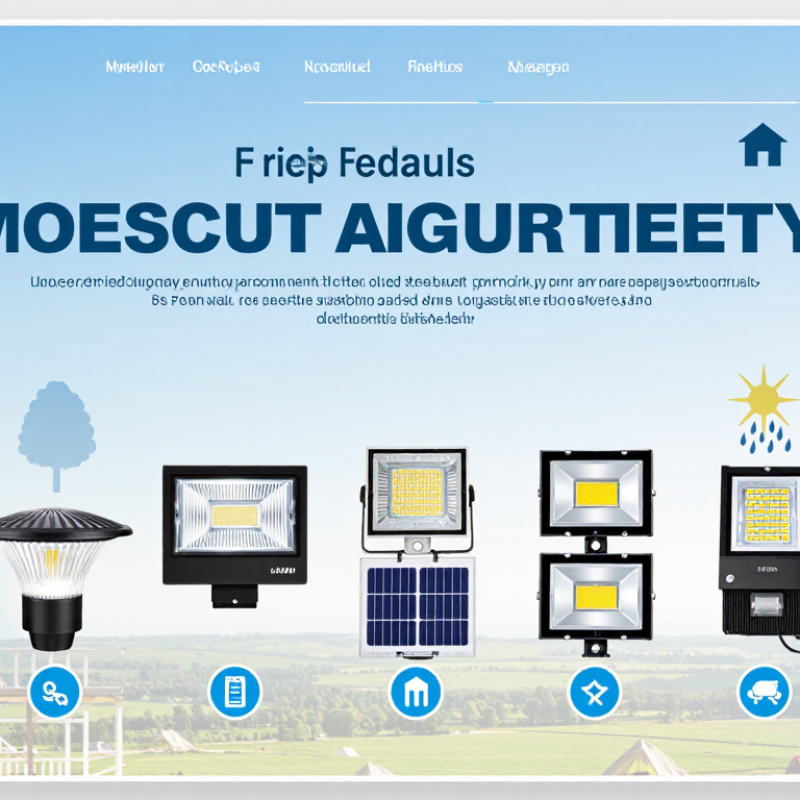
Solar LED Lights: Definition, Components, and Operating Principles
Solar LED lights combine photovoltaic conversion with efficient light-emitting diodes. A typical unit includes a solar panel, rechargeable battery, LED module, controller, sensor, and weather-resistant housing. The panel converts sunlight into electricity during the day. The controller regulates charging and protects the battery from overcharging. At night, a sensor activates the LED using stored energy.
The operating principle is simple, but performance depends on design. Battery capacity, panel size, LED efficiency, temperature, and daily sunlight all matter. The U.S. Department of Energy reports that LED lighting can use at least 75% less energy and last up to 25 times longer than incandescent lighting. IRENA’s Renewable Capacity Statistics 2025 recorded 1,865 GW of global solar capacity by the end of 2024. This wider solar expansion supports better component availability, though it does not guarantee equal product quality. A lower-priced lamp may use a smaller battery or weaker sealing. Real-world testing remains important.
Tips: Check usable battery capacity, not only advertised brightness. Look for IP65 or higher protection for outdoor exposure. Confirm the panel receives direct sunlight for several hours daily. For global buyers, review charging performance in cloudy climates and verify replacement-part access. I have seen bright lights fail early because heat damaged the battery. That detail is easy to overlook. Also, published runtime can be optimistic, especially during winter.
| Rank | Solar LED Light Type | Best Application | Typical LED Power | Typical Light Output | Solar Panel | Battery Type | Typical Runtime | Ingress Protection | Key Selection Advantage |
|---|---|---|---|---|---|---|---|---|---|
| 1 | Integrated Solar Pathway Light | Walkways, gardens, and residential landscaping | 0.3–1.5 W | 20–150 lm | 0.5–2 W photovoltaic panel | Ni-MH or Li-ion, 600–2,000 mAh | 8–12 hours after a full charge | IP44–IP65 | Simple installation with no wiring or trenching |
| 2 | Solar Wall Security Light | Entrances, garages, side passages, and exterior walls | 2–8 W | 200–900 lm | 1.5–6 W photovoltaic panel | Li-ion, 1,200–4,000 mAh | Several nights in sensor-controlled mode | IP65–IP66 | Motion detection reduces energy consumption |
| 3 | Solar Floodlight | Courtyards, driveways, signs, and small commercial areas | 10–30 W | 1,000–3,000 lm | 8–25 W photovoltaic panel | Li-ion or LiFePO₄, 4–15 Ah | 6–12 hours, depending on operating mode | IP65–IP67 | Wide-area illumination with adjustable mounting |
| 4 | Solar Street Light | Roads, public paths, parking areas, and rural access routes | 20–80 W | 2,500–10,000 lm | 40–150 W photovoltaic panel | LiFePO₄, typically 20–100 Ah | 10–14 hours, commonly with multi-night reserve | IP65–IP66 | Designed for autonomous outdoor area lighting |
| 5 | Solar Garden Bollard Light | Driveways, parks, hotel grounds, and landscaped areas | 1–5 W | 100–500 lm | 1–5 W photovoltaic panel | Li-ion or LiFePO₄, 1–6 Ah | 8–12 hours after adequate sunlight | IP54–IP65 | Provides low-glare guidance lighting at pedestrian height |
| 6 | Solar Lantern | Camping, emergency lighting, humanitarian use, and homes | 0.5–3 W | 50–300 lm | 0.5–3 W photovoltaic panel | Li-ion, LiFePO₄, or rechargeable Ni-MH | 4–20 hours, depending on brightness | IPX4–IP65 | Portable lighting with flexible indoor and outdoor use |
| 7 | Solar Deck and Step Light | Stairs, balconies, decks, fences, and low-level pathways | 0.2–1 W | 15–120 lm | 0.3–1.5 W photovoltaic panel | Ni-MH or Li-ion, 300–1,500 mAh | 8–12 hours after a full charge | IP44–IP65 | Compact design improves visibility and reduces trip hazards |
| 8 | Solar Sign and Billboard Light | Directional signs, advertising boards, and facility notices | 5–20 W | 500–2,000 lm | 10–40 W photovoltaic panel | LiFePO₄ or Li-ion, 8–40 Ah | 8–12 hours with dusk-to-dawn control | IP65–IP67 | Illuminates targeted surfaces without grid connection |
| 9 | Solar Emergency and Backup Light | Power outages, disaster preparedness, and remote facilities | 1–10 W | 100–1,000 lm | 1–10 W photovoltaic panel | LiFePO₄ or Li-ion, 3–20 Ah | 6–24 hours, depending on brightness and load | IP54–IP65 | Useful where grid power is unreliable or unavailable |
| 10 | Solar Decorative String Light | Patios, restaurants, events, gardens, and hospitality spaces | 0.5–5 W total | 20–400 lm total | 1–5 W photovoltaic panel | Ni-MH or Li-ion, 600–3,000 mAh | 6–12 hours after adequate sunlight | IP44–IP65 | Low-energy ambient lighting with easy seasonal installation |
Related Posts
-
How to Choose the Best Solar LED Lights for Global Projects?
-

Unleashing the Power of the Sun: How Solar Powered Lights Transform Outdoor Spaces
-
Illuminate Your Outdoors: Innovative Solar Lighting Solutions for a Sustainable Future
-
What is the Best Solar Powered Lights Outdoor for Your Needs?
-
What Are the Best Solar Powered Lights from China?
-
Top 10 Benefits of Solar Lighting Systems for Your Home and Garden