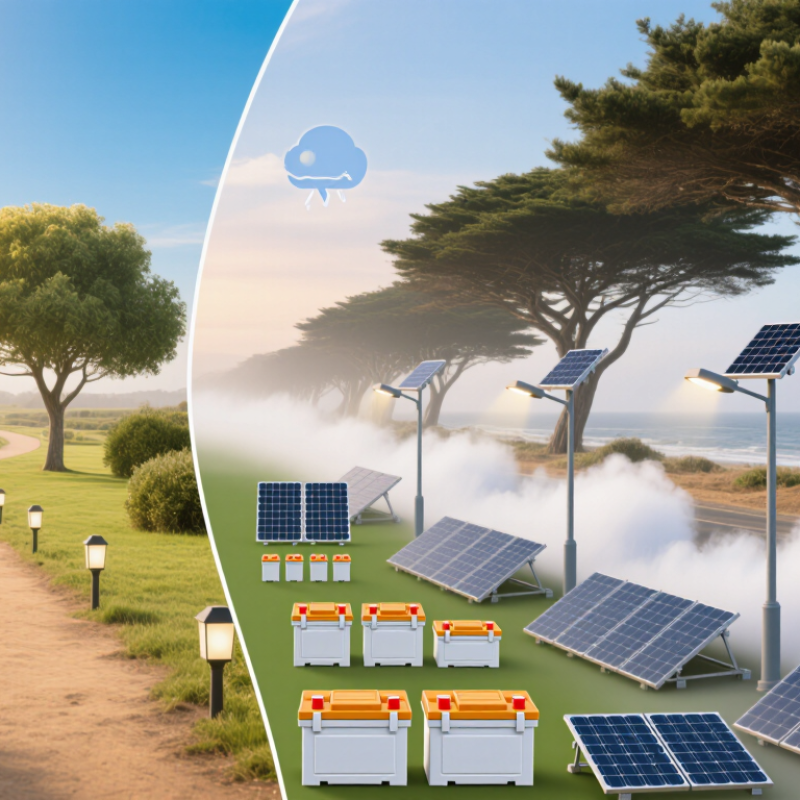
Choosing the best solar lighting system begins with the site, not the product brochure. A pathway in a dry, sunny garden needs different equipment from a shaded road near coastal fog. Check sunlight hours, seasonal weather, mounting height, pedestrian movement, and required lighting time before comparing prices. This practical assessment prevents a common mistake: buying a bright lamp that cannot perform reliably after several cloudy nights.
The market is expanding quickly. IRENA’s Renewable Capacity Statistics 2024 reported more than 1.4 terawatts of global solar power capacity by the end of 2023. However, large-scale solar growth does not guarantee effective lighting in every location. The World Bank and GOGLA’s Global Off-Grid Solar Market Report 2022 estimated that off-grid solar products served about 490 million people. These figures show strong adoption, but they also reveal a quality challenge. Not every solar lighting system offers the same battery life, weather resistance, or useful brightness.
Look beyond lumen claims. Examine the battery chemistry, panel wattage, charging performance, operating temperature, and replacement access. A lamp that stays bright for eight hours sounds impressive. It may perform differently during winter rain. Check independent testing, protection ratings, warranty terms, and supplier experience. Standards from organizations such as IEC can support safer purchasing decisions, while local installation requirements still matter.
No single system fits every project. The best choice balances light distribution, autonomy, maintenance, cost, and environmental conditions. Sometimes, a smaller lamp with a better battery outperforms a brighter model. That detail is easy to miss. This guide compares the main specifications and practical trade-offs, helping buyers choose with evidence rather than attractive packaging.
How to Choose the Best Solar Lighting System?
Solar Lighting Systems: Purpose, Components, and Operating Principles
Solar lighting systems convert sunlight into usable light without grid electricity. They suit streets, gardens, farms, pathways, and emergency areas. The International Energy Agency reports that lighting uses about 15% of global electricity consumption. Efficient solar designs can reduce operating costs and improve access in remote locations.
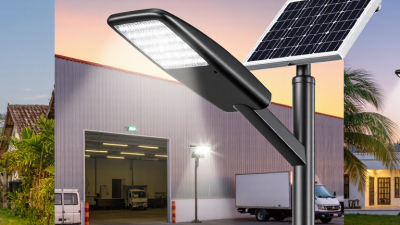
A typical system includes a photovoltaic panel, charge controller, battery, LED fixture, sensor, pole, and weatherproof enclosure. The panel produces direct current during daylight. The controller manages charging and protects the battery. After sunset, stored energy powers the LED automatically. The World Bank’s Lighting Global Off-Grid Solar Market Report estimated that off-grid solar products had reached about 490 million people by 2022. That figure shows practical demand, not guaranteed performance.
Tips: Check the required light level first. Measure lumens, beam angle, and mounting height. Select at least two nights of battery autonomy for cloudy periods. Lithium batteries usually offer better cycle life, but conditions matter. Confirm the panel’s output in winter, not only under ideal sunlight. Choose an IP65 or higher enclosure for exposed installations. Motion sensors can save energy, although they may reduce perceived safety in busy areas. No design is perfect. Shadows, dust, heat, and weak maintenance can undermine good specifications. A small field test often reveals more than a catalogue.
Choosing the best solar lighting system begins with the location, not the product. Walk through the site at different times of day. Observe shadows from trees, walls, roofs, and nearby structures. A pathway may receive full sunlight at noon but remain shaded by late afternoon. That difference affects charging performance.
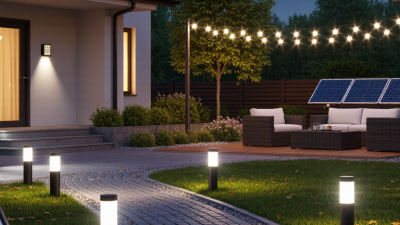
Define the lighting need clearly. Pathways usually need steady, low-level illumination, while entrances may require stronger light for visibility. Measure the area, spacing, and desired brightness before selecting equipment. Small details matter. Motion sensors can reduce energy use in quiet areas. However, frequent movement may drain the battery faster than expected. Field assessments often reveal this mismatch.
Solar conditions deserve careful attention. Panels should face open sky and avoid regular shade. Record sunlight during different seasons, especially in winter. Cloudy regions may require larger panels or higher-capacity batteries. Check whether the battery can support several dark or rainy nights. Outdoor fixtures also need suitable weather protection and stable mounting. Do not trust a single sunny-day test. Use the system through changing weather, then review its performance honestly. Some early choices may need adjustment. That is normal.
Choosing a solar lighting system starts with the site, not the product label. Measure daily sunlight, seasonal shade, and the required lighting hours. A patio may work with a small panel, while a pathway under trees needs more capacity.
Monocrystalline panels usually provide strong efficiency in limited space. Polycrystalline panels can offer practical output at a lower cost. Thin-film panels handle some low-light conditions well, but they often need more surface area. I have seen shaded panels reduce evening brightness far more than expected. Panel direction matters.
Battery selection affects reliability. Lithium iron phosphate batteries deliver many cycles, stable output, and useful cold-weather performance. Conventional lithium-ion batteries are compact but need careful temperature control. Lead-acid batteries remain suitable for larger systems, although they are heavier and may lose capacity sooner. Nickel-metal hydride batteries can suit compact lights, but their runtime may vary.
Check more than advertised lumens. Compare usable runtime, charging time, battery capacity, and brightness after several cloudy days. A light claiming twelve hours may provide less near dawn. Look for weather protection rated for outdoor exposure, secure cable seals, and replaceable components. Motion sensors can extend runtime, but overly sensitive settings waste stored energy. Test the system through one wet week before installing several units. The first design is rarely perfect.
Selecting the Right Fixtures, Controls, and Installation Features
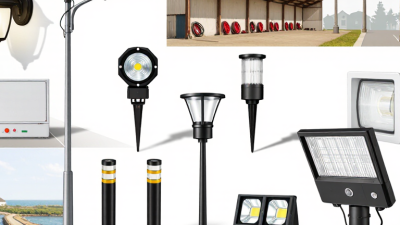
Start with the fixture, not the panel. Choose optics that place light on paths, entrances, or work areas, rather than into windows or the night sky. A sealed housing rated IP65 or higher helps resist dust and driving rain. For exposed sites, impact resistance matters too. The IEA’s Energy Efficiency 2023 report estimates that lighting uses about 15% of global electricity, so efficient LED output remains important. However, maximum brightness is not always the best choice.
Controls should match actual movement patterns. Passive infrared sensors can brighten a quiet walkway when someone approaches. Dimming schedules can preserve battery power after midnight. A practical system may provide full output early, then reduce output during low-traffic hours. The U.S. Department of Energy’s solid-state lighting research reports continue to emphasize efficiency, thermal management, and connected controls. Avoid complicated settings that local staff cannot adjust. Simple controls often survive longer.
Installation decides whether good equipment performs well. Check winter shading, rooflines, nearby trees, and the panel’s orientation before fixing anything. Leave clear access to the battery and controller. In my field checks, small shadows caused larger losses than expected. That is easy to underestimate. The IEA PVPS Trends 2024 report recorded 456 gigawatts of new solar capacity worldwide in 2023, but strong solar growth does not guarantee strong output at one site. Measure sunlight, allow several nights of autonomy, and document the final settings for future maintenance.
Choosing the best solar lighting system requires more than comparing purchase prices. Calculate the full cost over five to ten years. Include installation, battery replacement, cleaning, and occasional controller repairs. A low-priced unit may need a new battery after two winters. Cheap is not cheap. Check the battery type, expected cycle life, warranty terms, and replacement availability. In practical site evaluations, shaded panels often reduce charging performance more than buyers expect.
Tips: Observe the installation area for three sunny days. Record morning and afternoon shade. Choose a system with an appropriate IP rating for rain and dust. Confirm that spare batteries and parts can be obtained locally. Ask for tested illumination data, not only marketing claims. A warmer light can also reduce glare near homes and roads.
Durability depends on more than a strong housing. Examine pole corrosion resistance, cable protection, wind stability, and the panel’s mounting hardware. A system that survives one storm but loses brightness during cloudy weeks is not reliable. Consider seasonal performance, especially in regions with long winters. Environmental impact also includes manufacturing, transport, and end-of-life disposal. Select replaceable components instead of sealed units when possible. Use efficient LEDs and avoid excessive brightness, which can disturb insects and nearby wildlife. I once underestimated maintenance access, and a simple cleaning task required special equipment. That mistake changed how I assess long-term installation costs.