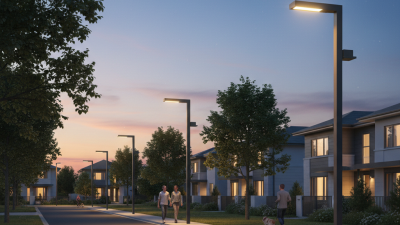
2026 Best Solar Light Company for Global Buyers

Choosing the 2026 best solar light company requires more than comparing product prices. Global buyers need dependable performance, clear documentation, and practical support after delivery.

A trusted solar light company should explain battery capacity, panel efficiency, LED output, charging time, and expected service life. Buyers should also review weather resistance, operating temperatures, and installation requirements. A light rated for tropical rain may not perform equally well during a cold European winter. Real conditions matter. Product photographs can look impressive, but verified test reports provide stronger evidence. Reliable manufacturers usually offer traceable quality checks, consistent packaging, and responsive communication across different time zones. Their warranties should state coverage periods, exclusions, and replacement procedures clearly.

This guide evaluates leading suppliers through product quality, manufacturing experience, certifications, customization options, and international shipping capability. It also considers whether a company can support large projects, retail orders, and remote installations. Practical details matter, including adjustable mounting brackets, motion sensors, spare batteries, and readable user manuals. A strong supplier should help buyers select suitable brightness and color temperature for streets, gardens, pathways, or commercial sites. Not every company excels in every category. That is important to admit. A low-cost supplier may provide attractive pricing but weaker after-sales support. Another may offer excellent engineering while requiring larger minimum orders. Careful buyers should request samples, inspect test data, and confirm regional requirements before signing contracts. The goal is not to name a universal winner. It is to identify the best fit for each market, budget, climate, and project scale.
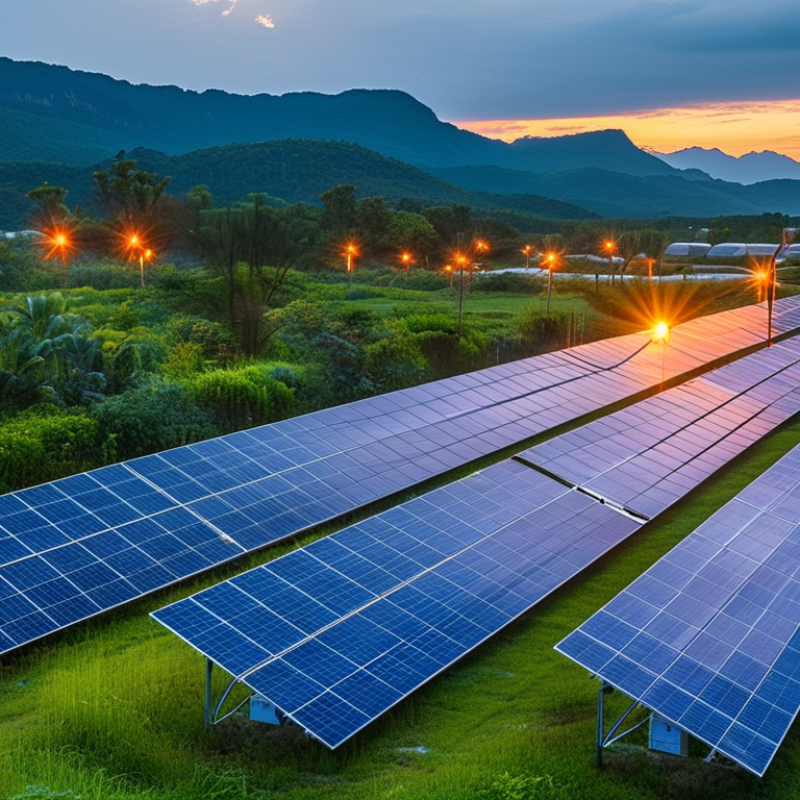
2026 Best Solar Light Company for Global Buyers

What Defines the Best Solar Light Company in 2026

What defines the best solar light company in 2026 is more than a low price or attractive product photos. Global buyers need verified performance, stable quality, and clear technical communication. A dependable supplier explains battery chemistry, solar panel output, charging time, lumen ratings, and expected working hours. These details should match real testing conditions, not only laboratory claims.

Manufacturing experience also matters. Strong suppliers use documented quality checks for waterproofing, battery safety, light distribution, and temperature resistance. They can provide test reports, product drawings, installation guidance, and traceable production records. Compliance requirements differ by market, so buyers should confirm relevant electrical, environmental, and import standards before ordering. No supplier gets every detail right. A small mismatch between advertised runtime and winter performance can affect an entire project.

Tips: Request a sample before bulk production. Test it outdoors for several nights. Check charging after cloudy weather, inspect cable seals, and compare actual brightness with the specification. Ask how defective units are handled and how replacement parts are supplied. A reliable company answers these questions directly, even when limitations exist. That honesty is valuable. Weak documentation often creates more cost than a higher unit price. Experienced buyers also review packaging strength, spare battery availability, warranty terms, and communication speed. Performance should be judged in the buyer’s climate, not only in a showroom.

Key Product Categories for Global Solar Lighting Buyers

2026 Best Solar Light Company for Global Buyers

Key Product Categories for Global Solar Lighting Buyers

Global buyers need more than a bright lamp. They need products matched to climate, installation, and daily use. Start with the site. Pathway and garden lights suit walkways, courtyards, and small landscapes. They usually require compact panels, weather-resistant housings, and stable dusk-to-dawn control.

For larger areas, solar floodlights offer wider coverage. Adjustable brackets help direct light toward entrances, storage zones, and loading spaces.

Street and roadway lights belong to a different category. Buyers should examine pole height, solar panel angle, battery capacity, and operating hours during cloudy periods. Integrated all-in-one units simplify installation, while split-type systems can provide better panel positioning. Security lights with motion sensors can reduce unnecessary power use. Decorative lanterns support visual appeal, but their lighting performance may be limited. Small details matter.

In field evaluations, product claims should be checked against test reports, warranty terms, and local electrical requirements.

Look for appropriate ingress protection, impact resistance, battery cycle data, and verified photometric results. Suppliers should explain performance in heat, rain, dust, and low-sunlight seasons. A perfect catalog does not exist. Some compact products look attractive but provide weak illumination. Others perform well but need stronger mounting hardware. Buyers should request samples, compare measured output, and review spare-part access before placing large orders. This practical step often reveals differences hidden in product photographs.

How to Evaluate Solar Light Quality, Performance, and Durability

2026 Best Solar Light Company for Global Buyers

How to Evaluate Solar Light Quality, Performance, and Durability

A reliable solar light should be judged beyond its first bright impression. Check the LED output, beam coverage, battery capacity, and charging panel together. Look beyond brightness. A high lumen claim means little if the beam is narrow or fades after midnight.

Test the light outdoors for several nights. Place it where winter shade, dust, or nearby walls can reduce sunlight. Record charging time and evening runtime, preferably with a simple timer. Test it outdoors. Inspect whether motion sensors respond at three to five meters. Also check whether the light switches on consistently after cloudy days. Real conditions often expose weaknesses that product sheets miss.

Durability depends on materials, sealing, and battery management. Look for a clearly stated water-resistance rating, protected cable joints, strong mounting screws, and a battery designed for repeated cycles. Examine the housing after heat, rain, and cold exposure. My own early evaluations focused too much on brightness, which was a mistake. A slightly dimmer light with stable output may serve buyers better. Still, laboratory claims should not replace field evidence. Ask for test methods, warranty terms, spare-part availability, and documented safety compliance for the target market. Vague answers deserve caution. A dependable supplier should explain performance limits honestly, including reduced winter charging and eventual battery replacement.

Global Certifications, Supply Capacity, and Customization Services

2026 Best Solar Light Company for Global Buyers

For global buyers, certification is more than a logo on a brochure. A reliable solar light supplier should provide test reports for electrical safety, electromagnetic compatibility, battery performance, and environmental protection. Depending on the destination, buyers may request CE, RoHS, FCC, IEC, or other market-specific documentation. Product claims should match current reports, not older samples. That detail matters.

Supply capacity requires evidence. Experienced manufacturers can explain monthly output, key component sources, production schedules, and quality checkpoints. Ask how solar panels, lithium batteries, controllers, and housings are tested before assembly. A strong factory may offer cell grading, waterproof testing, aging tests, and batch traceability. Sample approval should happen before mass production. Shortcuts create expensive delays.

Customization should solve a real installation problem. Suppliers may adjust lighting power, beam angle, battery capacity, mounting structures, motion sensors, control modes, and packaging. They should also support photometric files, installation guidance, and private labeling where permitted. Local climate data can improve the design. Coastal sites need stronger corrosion resistance. Dusty areas need careful sealing.

No production system is perfect. A supplier that admits limitations is often more credible than one promising everything. One practical concern remains: excessive customization can increase tooling costs and lead times. Buyers should request a written specification, pilot samples, inspection records, and a clear replacement policy before placing large orders.

A Step-by-Step Guide to Choosing the Right Solar Light Company

Choosing the right solar light company requires more than comparing catalog prices.

Start by defining the project: pathway lighting, street lighting, security, or remote-area use. Record the required brightness, operating hours, mounting height, weather exposure, and installation conditions.

Then examine the supplier’s technical evidence. Request battery chemistry, panel output, lumen data, charging performance, and an IP rating suitable for local weather. Ask for independent test reports and clear warranty terms. A reliable company should explain performance during cloudy seasons, not only under ideal sunlight. Review production experience, quality-control procedures, spare-part availability, and delivery history. Customs documents and electrical compliance must also match the destination market. Small details matter.

Tips:

Ask for a sample before placing a large order. Test it outdoors for several nights. Check whether the light reaches its stated runtime after cloudy days. Confirm replacement costs, packaging strength, and after-sales response time. Keep written records of every specification. This prevents expensive misunderstandings.

Avoid choosing only by the lowest quotation. Cheap components may create dim light, early battery failure, or difficult maintenance. Yet higher prices do not always guarantee better results. That deserves scrutiny.

Compare total ownership cost, installation labor, replacement frequency, and expected service life. A thoughtful supplier will admit limitations and suggest adjustments when the site data changes. That honesty is often more valuable than polished sales language.

Go to Top