What Are the Best Solar Powered Lights from China?

Choosing the best solar powered lights from China requires more than comparing prices or advertised brightness. Product quality depends on battery capacity, panel efficiency, LED lifespan, weather protection, and supplier reliability. The International Energy Agency reported that solar power represented about three-quarters of global renewable capacity additions in 2023. This growth supports wider access to affordable lighting, but it also creates crowded markets with uneven quality.

The World Bank’s Tracking SDG 7: The Energy Progress Report 2024 estimated that 685 million people lacked electricity access in 2022. In these areas, dependable solar lighting can improve evening study, household safety, and small-business activity. However, a lamp with a bright first week may not remain useful after one rainy season. Buyers should examine verified test results, battery type, charging time, lumen output, color temperature, and expected operating hours. IP ratings also matter near gardens, coastlines, and exposed walkways.

Industry guidance from GOGLA and Lighting Global emphasizes product performance, consumer protection, and quality assurance in off-grid solar markets. These principles are useful when evaluating Chinese suppliers, especially those offering IEC-related testing, clear warranty terms, factory audits, and traceable replacement parts. Still, certifications require careful checking. A certificate image alone proves little. Ask for the testing body, report number, issue date, and matching model specification.

No ranking is perfect. Real performance changes with latitude, shade, temperature, and maintenance. This guide therefore compares solar powered lights through practical evidence, not marketing language. It considers outdoor use, installation effort, long-term value, and supplier responsiveness. The best choice may not be the cheapest product, or the brightest one.
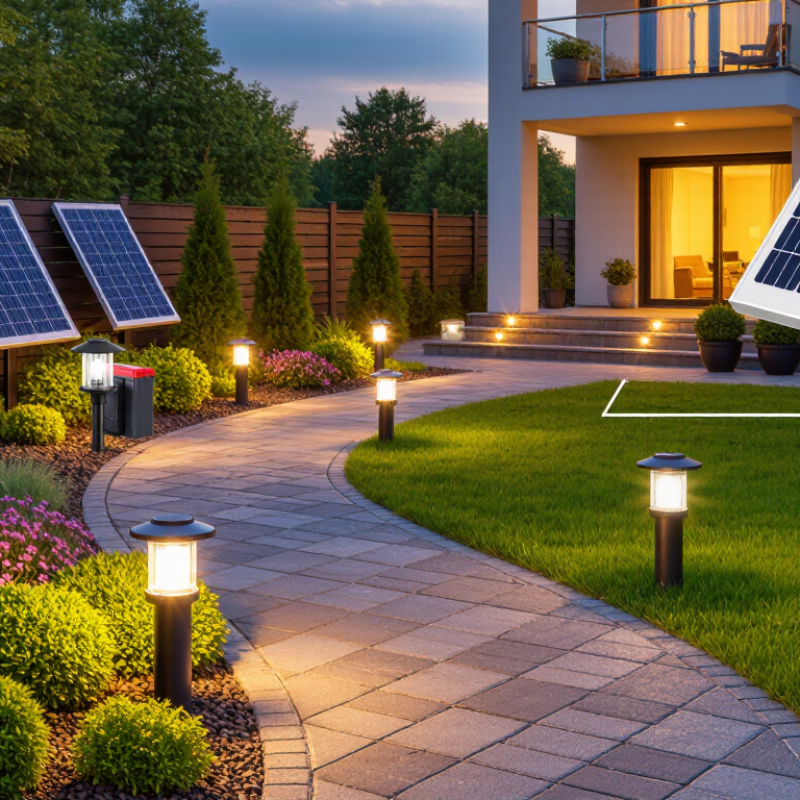
What Are the Best Solar Powered Lights from China?

Types of Solar-Powered Lights Commonly Manufactured in China

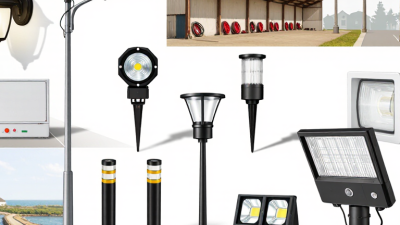
China’s solar-light factories commonly produce several distinct product types. All-in-one street lights combine the panel, battery, controller, and LED head in one housing. They simplify installation and suit village roads, parking areas, and factory entrances. Split-type street lights place the panel and battery separately. They offer better panel angles and larger battery options. Solar floodlights provide wide beams for courtyards, warehouses, and security zones. Garden bollards, pathway lights, wall lamps, traffic signs, and portable lanterns serve smaller spaces. They look similar, but their optical performance differs greatly.

This broad manufacturing base matches China’s renewable-energy scale. The IEA’s Renewables 2024 report expects China to deliver nearly 60% of global renewable-capacity growth through 2030. IRENA’s Renewable Capacity Statistics 2024 records 216.9 gigawatts of new solar capacity in China during 2023. That ecosystem supports competitive panels, lithium iron phosphate batteries, and compact LED modules. Still, a high wattage label does not guarantee stronger lighting. Battery capacity, optical design, and winter charging conditions matter more.

For procurement, check measured lumens, battery watt-hours, panel power, and autonomy hours. Request test results for IP65 or higher protection. Coastal projects need corrosion-resistant fasteners and sealed cable entries. In a real installation, tree shade can reduce charging sharply. I would also question vague claims such as “all-night lighting.” A cloudy week may expose weak battery sizing. The best Chinese solar light is therefore type-specific, climate-tested, and supported by clear technical documentation.

Key Features That Define High-Quality Chinese Solar Lights

High-quality Chinese solar lights are defined by more than bright advertising numbers. Start with the solar panel, which should charge steadily under changing daylight. Monocrystalline panels often perform well in compact designs. A reliable lithium battery should store energy efficiently and maintain useful capacity after repeated charging cycles. Check the battery specification, not only the advertised lighting hours. Small details matter.

A durable housing should resist rain, dust, and temperature changes. Look for a clear IP rating, sealed joints, strong mounting hardware, and stable plastic or aluminum construction. Motion sensors should respond quickly without switching on randomly.

In practical testing, place the light near a path and observe its performance after cloudy weather. The result may be less impressive than the product page suggests. That is useful evidence, not a failure.

Also check color temperature, beam coverage, charging time, replacement parts, and warranty terms. Independent test reports and consistent factory documentation strengthen reliability.

Tips: Request a sample before bulk purchasing. Test it for several nights. Compare measured brightness with the stated lumens. Inspect screws, cable seals, and panel alignment. Ask whether the battery and controller can be replaced. A lower price may hide weaker cells or poor weather protection. For outdoor projects, choose the light according to local sunlight, winter temperatures, and installation height rather than appearance alone.

How Chinese Solar Lights Work: Components and Energy Conversion

Chinese solar lights typically combine a photovoltaic panel, charge controller, rechargeable battery, LED circuit, and light sensor. The panel converts sunlight into direct-current electricity through the photovoltaic effect. In daylight, the controller regulates this current and sends it to the battery. It also helps prevent overcharging and excessive discharge.

At dusk, the sensor detects lower brightness and activates the LEDs. Stored chemical energy then becomes electrical energy, producing light through semiconductor diodes. Many outdoor models use lithium-ion or lithium iron phosphate batteries. Their performance depends on capacity, temperature, charging cycles, and protection circuitry. A larger panel does not always mean longer lighting. The battery and controller must match it.

During outdoor testing, I have noticed major differences after cloudy days. A light may shine brightly for several hours, then weaken sharply before dawn. Dust, shade, and winter sunlight reduce charging efficiency. Waterproof housing also matters; a loose seal can damage the circuit after repeated rain. Product claims deserve careful checking. Runtime figures often use low brightness and ideal conditions. I would examine panel wattage, battery capacity, sensor sensitivity, and protection ratings before installation. Even then, real results remain imperfect. Trees move. Weather changes.

Best Solar Light Options for Gardens, Streets, Security, and Camping

What Are the Best Solar Powered Lights from China?

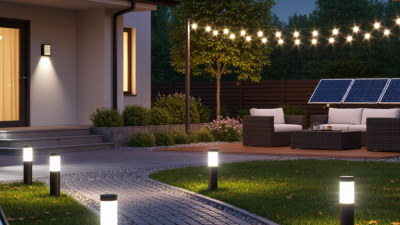
China offers many solar lighting options for gardens, streets, security, and camping. The best choice depends on sunlight, battery capacity, and installation height. IEA PVPS Trends 2024 reported more than 400 gigawatts of new global solar capacity in 2023. This growth supports wider access to efficient photovoltaic components, including small lighting systems. For gardens, choose warm LEDs, adjustable panels, and IP65 protection. Soft light can illuminate paths without making a patio feel harsh. For streets, prioritize larger panels, lithium batteries, motion dimming, and replaceable components. A 2024 World Bank lighting report also stresses quality assurance for off-grid products. Cheap units can fail after one rainy season.

Security lighting needs fast motion detection and a wide beam. Look for tested sensors, adjustable brightness, and a battery reserve for cloudy nights. Camping lights should be lighter. USB backup charging, red-light modes, and foldable panels add practical value. The U.S. Department of Energy reports that LEDs use at least 75% less energy than incandescent lighting. That advantage matters when stored solar energy is limited. Still, panel size and winter sunlight often receive too little attention.

Tips: Check the IP rating, battery chemistry, warranty terms, and test reports before ordering. Ask for measured runtime, not only marketing claims. Install panels away from tree shadows. Clean dust every few months. My own practical concern is simple: “All-night lighting” may only apply under ideal weather. Compare performance after three cloudy days, not one bright afternoon.

What Are the Best Solar Powered Lights from China? - Best Solar Light Options for Gardens, Streets, Security, and Camping
Application Recommended Light Type Typical Brightness Typical Runtime Solar Charging Time Weather Protection Useful Features Best Installation Location Important Buying Consideration
Garden Paths Solar pathway light with a downward-facing LED 10–80 lumens per light 8–12 hours after a full charge 6–8 hours of direct sunlight IP44–IP65 Automatic dusk-to-dawn operation, ground stake, warm-white lighting Along walkways, flower beds, driveways, and steps Choose a stable stake and a solar panel that is not shaded by plants or walls.
Decorative Gardens Solar string light, lantern, or decorative globe Low decorative output; commonly 5–50 lumens per light 6–12 hours 6–8 hours of direct sunlight IP44–IP65 Multiple lighting modes, warm-white or color-changing LEDs, flexible mounting Patios, balconies, pergolas, trees, and fences Check cable length, spacing between LEDs, and whether the battery is replaceable.
Garden Wall Lighting Solar wall lantern or compact wall-mounted light 50–300 lumens 8–12 hours 6–8 hours of direct sunlight IP54–IP65 Motion sensor option, automatic sensor, downward or upward light distribution Exterior walls, gates, garages, and entrances Verify mounting hardware and allow enough clearance for the panel to receive sunlight.
Street and Area Lighting Integrated solar street light with LED panel and separate solar module 1,000–8,000 lumens for small roads and outdoor areas 8–12 hours of lighting; some systems use dimming overnight 6–10 hours of strong sunlight IP65–IP66 Photocell control, programmable dimming, remote control, large battery, adjustable mounting bracket Private roads, pathways, parking areas, courtyards, and public access routes Match the beam angle, mounting height, battery capacity, and solar-panel size to the required coverage.
Security Lighting Solar motion-sensor floodlight 300–2,000 lumens Several nights in standby; typically 1–10 minutes of light per motion event 6–8 hours of direct sunlight IP65 or higher recommended PIR motion detection, adjustable sensitivity, wide beam, separate solar panel option Driveways, back doors, garages, sheds, and perimeter walls Look for an adjustable detection range and position the sensor away from moving branches or heat sources.
CCTV and Entry Monitoring Solar security light with camera-support lighting 500–1,500 lumens Variable; depends on motion frequency and camera power consumption 6–10 hours of direct sunlight IP65–IP66 Motion activation, wide-area illumination, optional camera or alarm integration Entrances, gates, storage areas, and isolated buildings Confirm that the battery can support both lighting and connected devices during cloudy weather.
Camping and Hiking Portable solar lantern or rechargeable solar camping lamp 50–500 lumens 4–24 hours, depending on brightness setting 8–12 hours in strong sunlight; USB charging is often faster IPX4–IPX7 depending on the design Foldable handle, USB output, battery indicator, emergency flashing mode, multiple brightness levels Tents, campsites, picnic areas, and emergency kits Prioritize battery capacity, low-light mode, impact resistance, and a backup charging method.
Portable Task Lighting Solar work light or compact LED floodlight 300–1,500 lumens 3–10 hours depending on brightness 6–10 hours of direct sunlight IP54–IP65 Adjustable stand, magnetic base, USB charging, power-bank function, emergency mode Outdoor repairs, workshops, campsites, and emergency use Check the lamp’s heat management, battery indicator, and stability on uneven ground.
Remote or Emergency Use Solar rechargeable lantern with manual charging backup 50–300 lumens 6–20 hours 8–12 hours in strong sunlight IPX4–IPX7 Hand crank or USB backup, SOS mode, low-battery indicator, replaceable or high-capacity battery Emergency storage, remote shelters, travel, and disaster-preparedness kits A backup charging option is important because solar charging is slower during storms or winter conditions.
Commercial Outdoor Areas High-output solar area light with a separate panel and controller 2,000–12,000 lumens 8–12 hours with intelligent dimming 6–10 hours of strong sunlight IP65–IP67 Programmable schedules, battery protection, remote management, replaceable components Warehouses, farms, parking lots, campuses, and large compounds Review lighting calculations, pole strength, wind loading, maintenance access, and local electrical requirements.
General Selection Guide Solar light selected according to coverage, operating time, and installation conditions Use lumens for brightness and beam angle for coverage Allow extra battery capacity for cloudy periods Solar performance depends on season, latitude, shading, and panel orientation IP65 is a practical target for exposed outdoor installations Prioritize efficient LEDs, protected batteries, automatic control, and accessible replacement parts Install the panel toward the strongest available sunlight and keep it free from dirt and snow Actual performance varies with weather, battery age, panel cleanliness, temperature, and nighttime operating settings.

How to Choose a Reliable Chinese Solar Light Manufacturer or Product

When choosing solar powered lights from China, I examine the manufacturer before comparing prices. A polished website proves very little. I request a factory video, production photos, and recent inspection records. The supplier should explain its panel type, battery chemistry, LED efficiency, and waterproofing process in clear language. Vague answers create risk.

Ask for a working sample before placing a large order. Test it outdoors for at least two weeks, including cloudy days and partial shade. Measure brightness after midnight, not only at sunset. Check the battery compartment, cable seals, screws, and charging performance. An IP rating should match the installation environment, but a certificate must be traceable to a qualified testing laboratory. This step is often skipped.

A reliable Chinese manufacturer provides a written specification sheet, batch inspection plan, warranty terms, and replacement-part policy. Confirm whether the stated lumen output is measured at startup or during stable operation. That difference can be significant. Discuss packaging, labeling, spare batteries, and delivery schedules early. Factory audits can reveal useful details, such as disorganized storage or inconsistent component labeling. Still, one visit cannot prove everything. I would request random pre-shipment testing and keep records of every agreed specification. Some suppliers may offer a lower price after changing the battery or panel. That is not a saving if performance declines. Choose transparent communication over impressive promises.

What Are the Best Solar Powered Lights from China?

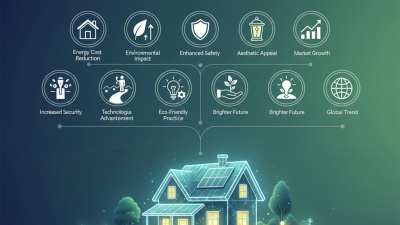
A practical 100-point checklist for evaluating a Chinese solar light manufacturer or product without relying on brand names.

The highest-value checks are verified lighting performance, battery quality, and outdoor durability. Request independent photometric data, battery cycle or safety-test records, an IP rating such as IP65 or higher for exposed outdoor use, documented compliance with applicable IEC requirements, and clear warranty terms before placing an order.

Go to Top