What is LED Solar Technology and How Can It Benefit You?
LED solar technology is revolutionizing the way we harness energy from the sun. With the world shifting towards sustainability, experts emphasize its potential. John Smith, a seasoned engineer in the LED solar industry, states, "Harnessing sunlight with LEDs can change lives."
The efficiency of LED solar lights reduces electricity costs. They are not merely efficient; they are eco-friendly too. Many homes and businesses now benefit from this technology. The initial investment can seem high, but the long-term savings are significant. Users often notice a reduction in energy bills within months.
However, the transition to LED solar is not without challenges. Some consumers struggle with installation or system compatibility. As technology evolves, remaining updated is vital. It requires a commitment to adapt to the new landscape of energy solutions. Despite imperfections, the benefits of LED solar technology are undeniable. It is up to each individual to weigh these factors carefully.
Understanding LED Solar Technology: An Overview
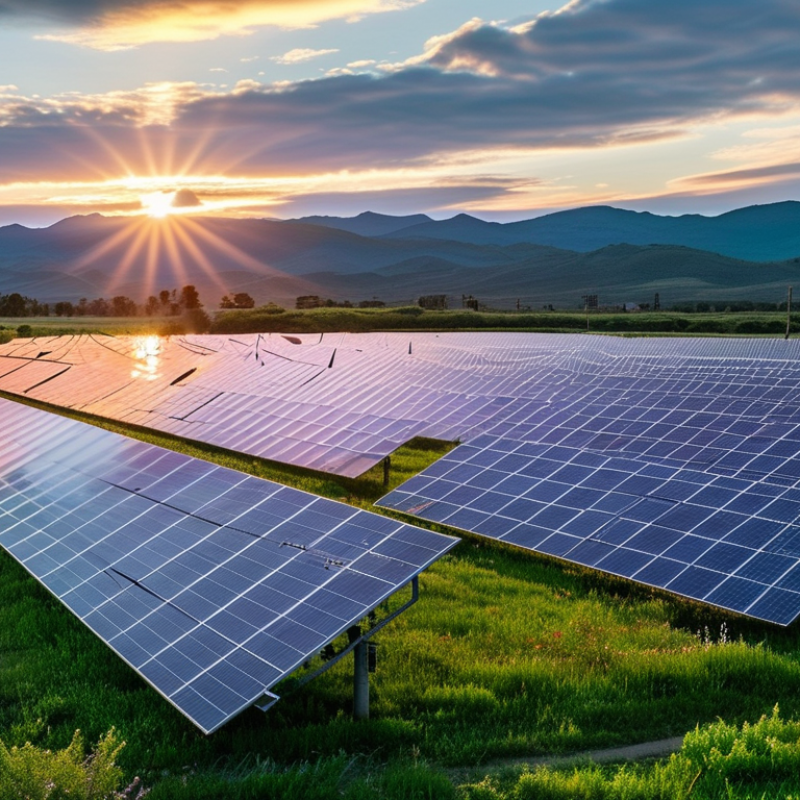
LED solar technology represents a fusion of energy-efficient lighting and renewable energy. It utilizes solar panels to capture sunlight and convert it into electricity. This electricity powers LED lights, providing a sustainable solution for both indoor and outdoor spaces. Homeowners can benefit greatly from this technology, as it reduces electricity bills and environmental impact.
When considering installation, some challenges arise. Initial costs can deter potential users. However, the long-term savings often outweigh these costs. LED lights have a longer lifespan compared to traditional bulbs, which means less frequent replacements. Many LED solar systems also come with built-in batteries, ensuring functionality even during cloudy days or at night.
Maintenance is minimal, but users should regularly check for dust on solar panels. Dirt can affect performance significantly. Overall, exploring LED solar technology could lead to a more sustainable lifestyle, despite some of the hurdles. Embracing this innovation illuminates the path towards energy independence.
How LED Solar Technology Works: The Science Behind It
LED solar technology combines the benefits of solar power with energy-efficient LED lighting. At its core, this technology harnesses sunlight through solar panels. These panels convert sunlight into electricity, which powers LED lights. This process reduces reliance on conventional electricity sources, providing significant cost savings.
Understanding how this system works is essential. Solar panels consist of photovoltaic cells. When sunlight hits these cells, it creates direct current (DC) electricity. An inverter then transforms this DC electricity into alternating current (AC). This allows it to power LED lights effectively. The low energy consumption of LEDs means that they can run for hours on minimal solar energy.
Tips: Consider installing solar-powered LED lights in outdoor spaces. They are great for reducing electricity bills. Remember, positioning the solar panels is crucial. Ensure they receive direct sunlight for optimal performance. Regularly check for dirt or debris on the panels, as this can hinder efficiency. If you notice flickering lights, it may be time to assess your system for maintenance.
Benefits of LED Solar Technology for Homeowners and Businesses
LED solar technology is transforming how homeowners and businesses approach energy consumption. This innovative solution combines the power of solar energy with efficient LED lighting. By harnessing the sun's energy, these systems provide a sustainable and cost-effective lighting option. Homeowners can significantly reduce their electricity bills. Even small installations can lower costs noticeably over time.
For businesses, the benefits are equally compelling. LED solar systems can enhance property value while minimizing operational costs. They also contribute to a better environmental image, attracting eco-conscious customers. The combination of solar technology and LED efficiency can lead to impressive energy savings. Many businesses see a return on investment within a few years.
While this technology is promising, it is essential to consider potential challenges. Initial installation costs can be high. Maintenance of solar panels and LEDs requires attention and planning. It’s crucial to source quality components and ensure proper installation. Reflecting on these details can lead to more informed decisions for both homeowners and businesses.
Common Applications of LED Solar Technology in Daily Life
LED solar technology is revolutionizing how we harness energy. Many suburban homes now use solar-powered garden lights. These lights are not only energy-efficient but also enhance landscaping. They create a warm ambiance in evening gatherings. Integrating solar-powered string lights can brighten patios or balconies with ease.
Street lights in urban areas are also transitioning to LED solar technology. This shift reduces electricity costs and carbon footprints. Cities can install these lights in parks and along pathways, improving safety. These fixtures operate independently, which can lessen reliance on grid power.
Despite these benefits, challenges remain. Upfront installation costs can be higher than traditional lighting. Some users report inconsistent performance due to weather variations. Maintenance can also be an issue, especially if solar panels get dirty. Understanding these aspects is crucial for fully embracing solar technology.
Common Applications of LED Solar Technology in Daily Life
Future Trends in LED Solar Technology and Innovations
In recent years, LED solar technology has evolved significantly. This blend of light-emitting diodes and solar energy presents exciting opportunities. According to a report by Allied Market Research, the global LED market is expected to reach $105.74 billion by 2025. Innovations continue to emerge, enhancing efficiency and performance. The integration of smart controls can lead to energy savings of nearly 30%.
Future trends point towards more advanced applications of LED solar technology. Innovations such as solar-powered LED streetlights are becoming commonplace in urban areas. These systems can reduce energy costs by up to 60% and operate independently of the grid. Additionally, the rise of solar-integrated building designs is gaining traction. However, challenges remain, such as the initial installation costs and the need for reliable sunlight.
The potential impact of improved LED solar technology is significant. The 2021 Solar Industry Research Data indicates that installation of solar arrays with LED systems can cut greenhouse gas emissions dramatically. Yet, it is important to remain cautious. Efficiency varies based on location and environmental conditions. As this technology matures, collaborative efforts between governments and private sectors can foster further innovations. However, understanding local regulations and grid compatibility is essential for successful adoption.