Who Are the Top Solar Powered Lights Suppliers in China?

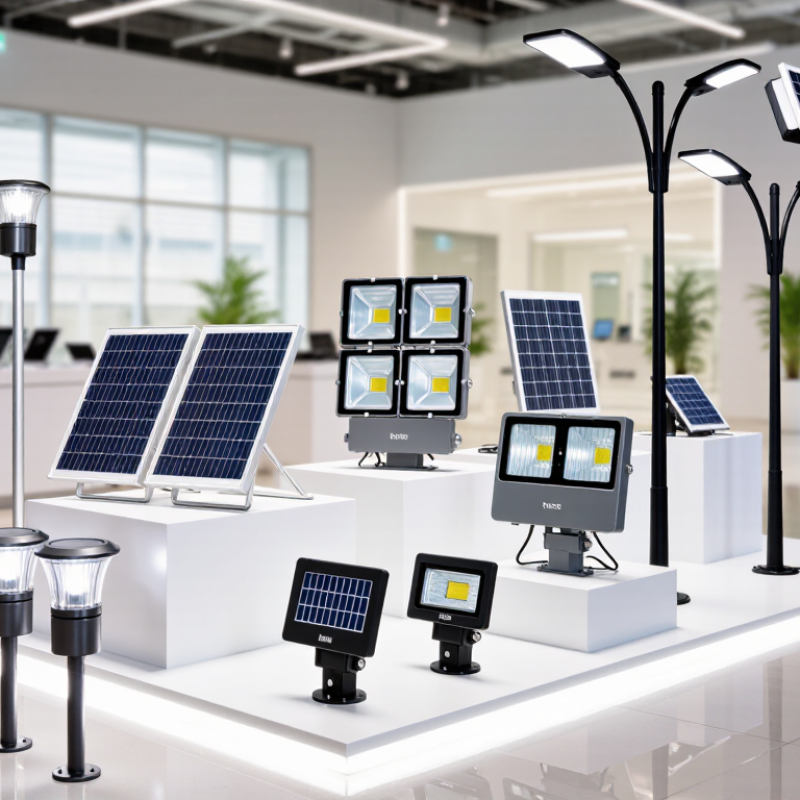
China’s solar powered lights market includes manufacturers of garden stakes, pathway lamps, floodlights, and commercial streetlights. Supplier names alone reveal little. Buyers also need to examine battery capacity, panel output, enclosure quality, certifications, and replacement support.

A useful energy perspective comes from Thomas Edison, the inventor and energy pioneer, who is often credited with saying, “I’d put my money on the sun and solar energy. What a source of power!” The words capture solar energy’s promise, but product performance still depends on practical details. A shaded panel, a small battery, or a weak seal can change how a lamp performs after dusk.

This guide looks at notable Chinese suppliers and the evidence buyers can use to compare them. It considers product range, manufacturing capabilities, customization, quality controls, and communication before and after purchase. A polished catalog is not proof of consistent production. Neither is a low quoted price.

Details matter. Ask how long a light runs after a cloudy day. Check whether its battery and panel specifications are clearly stated. Request relevant test documents, and confirm what the warranty covers. Supplier rankings can shift by project, budget, and application; no single list fits every buyer. That is an imperfect part of the comparison, but worth acknowledging. The goal is a practical shortlist, not a promise that one supplier will suit every installation.
Who Are the Top Solar Powered Lights Suppliers in China?

What Are Solar-Powered Lights and How Are They Made in China?

Solar-powered lights convert sunlight into stored electricity. A small photovoltaic panel charges a battery during daylight; after dark, a controller powers LED lamps. Typical units combine a panel, rechargeable battery, control circuit, LEDs, and a weather-resistant housing. Some designs place the panel above the lamp, while compact garden models integrate everything into one casing. Simple in appearance. Yet battery sizing, shade, and winter daylight can sharply affect performance.

In China, production often involves sourcing photovoltaic cells and battery materials, assembling circuit boards, fitting LED modules, and sealing housings against moisture. Factories then check charging behavior, light output, and battery operation. The IEA’s 2022 Special Report on Solar PV Global Supply Chains found that China held over 80% of manufacturing capacity across key solar-panel supply stages. This helps explain the country’s deep component ecosystem, though panel capacity alone does not guarantee a durable finished light. IEA PVPS estimated that global solar capacity reached about 1.6 terawatts by the end of 2023 in its Snapshot of Global PV Markets 2024. For buyers, the less glamorous details matter: battery chemistry, replaceable parts, and realistic runtime claims. A bright first night is not enough. Testing can miss years of heat, rain, and fading batteries.

China’s Cumulative Solar PV Capacity (2019–2023)

China’s expanding solar PV market provides context for the country’s solar-light manufacturing ecosystem. These figures show cumulative grid-connected solar PV capacity—not solar-light production or supplier rankings. Source: China National Energy Administration (NEA).

What Types of Solar Lighting Suppliers Operate in China?

China’s solar lighting suppliers generally fall into a few groups. Original manufacturers design and assemble complete products, such as garden lamps, streetlights, and security lights. They may offer more control over housing, panel size, battery capacity, and production runs. OEM and ODM suppliers also make custom products, though their engineering depth can vary. Some focus on one category, such as solar floodlights or pathway fixtures. Some build only the fixture.

Trading companies and project integrators are another part of the market. Trading firms can combine products from several factories, which is useful when a buyer needs a mixed order. Integrators may help match lights to a site plan, pole height, and expected hours of operation. But a polished catalog is not proof of performance. Ask for test reports, battery specifications, photometric data, and clear warranty terms. Check whether reported runtime reflects cloudy weather or ideal sunlight. Details matter. A supplier’s product category alone cannot show how well it will support installation or repairs. Buyers should compare the actual documentation and communication, not just the quoted price.

How Are China’s Leading Solar Light Suppliers Evaluated?

Evaluating China’s leading solar light suppliers takes more than comparing catalog prices. Ask how each model performs after several cloudy days, not only under ideal sunlight. A reliable supplier should provide clear details on panel output, battery capacity, light output, and expected operating time. Request test reports, then check whether their methods and conditions are stated. Numbers without context are hard to trust.

Samples reveal details that brochures miss. Inspect the housing, seals, wiring, and mounting points, then test charging and runtime in conditions close to your project site. Look for consistent production checks, traceable components, and practical warranty terms. Ask how the supplier handles failed units and replacement parts. Good answers are specific. A polished catalog is not proof.

I would still leave room for doubt: one sample cannot show how an entire production run will perform. A small pilot order and documented inspection criteria can reduce that uncertainty. Also compare response times and technical support; a supplier’s ability to explain a test result may matter as much as the result itself.

What Products and Services Do Top Suppliers Provide?

Top solar-powered-light suppliers in China commonly provide all-in-one streetlights, split systems, garden lamps, security lights, and portable lanterns. Typical packages include photovoltaic panels, lithium batteries, charge controllers, LED fixtures, poles, and mounting hardware. Custom services may cover brightness, color temperature, battery capacity, panel size, housing finish, and packaging. Small details matter. Ask for photometric files, battery-cycle test results, and clear warranty terms before comparing quotations.

Strong suppliers also support sample testing, OEM or ODM design, production inspection, export packaging, installation guidance, and spare-part supply. The International Renewable Energy Agency’s Renewable Capacity Statistics 2024 reports that global solar PV capacity reached 1,419 GW by the end of 2023, after adding 345.5 GW that year. This figure concerns solar generation, not lighting sales, but it shows the expanding technology base behind solar products. Still, supplier claims can vary; published test methods are not always comparable.

Tips: Request a sample and test it outdoors for several cloudy days. Check charging time, dusk-to-dawn performance, water resistance, and replacement-battery availability. Ask for proof.

How Can Buyers Choose the Right Chinese Supplier?

Choosing a Chinese solar-light supplier starts with matching the product to its actual setting. A garden path, parking area, and remote sign need different light output, beam angles, and operating times. Ask suppliers for the panel rating, battery capacity, charging conditions, and runtime at full brightness. Compare these figures under the same test conditions; numbers alone can be misleading. Request a working sample and inspect its housing, cable seals, controls, and charging performance. Small details matter.

Tips: Check whether the supplier can provide clear test reports, material specifications, and written warranty terms. Ask how replacement parts and technical questions are handled after shipment. Confirm production lead times and packaging details before placing a large order. Keep the answers in writing.

A factory visit or a third-party inspection can help verify production capability, but neither replaces product testing. Check that the supplier’s stated weather protection suits your installation, especially around connectors and battery compartments. Discuss temperature, shade, and seasonal sunlight; these can change real-world performance. I would not rely on a polished catalogue alone. Even a thorough review can miss something, so begin with a small trial order and record how the lights perform on site.

Who Are the Top Solar Powered Lights Suppliers in China? - How Can Buyers Choose the Right Chinese Supplier?
Supplier Profile Typical Product Fit Evidence to Request Key Buyer Checks Potential Limitations
Solar street-light specialist Roads, parking areas, pathways, and other outdoor sites requiring area lighting. Datasheets for the panel, battery, LED module, and controller; installation and maintenance instructions; photometric files where available. Check the stated operating profile, autonomy assumptions, mounting details, and light-distribution data against the project design. Performance depends on site-specific sunlight, weather, shading, settings, and installation; catalogue figures alone do not establish field performance.
Outdoor solar-lighting OEM Custom housings, configurations, or private-label outdoor lighting projects. Product drawings, sample specifications, customization scope, and written confirmation of the production configuration. Confirm tooling ownership, change-control procedures, minimum order quantities, and whether samples match the mass-production bill of materials. Custom designs may require additional development time, tooling, and testing before production.
Garden and decorative lighting manufacturer Garden paths, landscape accents, patios, and decorative outdoor applications. Material and finish specifications, product dimensions, battery information, and outdoor-use instructions. Review weather-exposure suitability, installation method, replaceable-part availability, and the intended brightness and runtime. Decorative products are not necessarily designed to provide the illumination levels required for roads or security applications.
Commercial lighting exporter Buyers seeking export documentation, order coordination, and a range of lighting products. Legal business details, product-specific test documents, shipment records where available, and a clear after-sales contact process. Establish whether the seller is the manufacturer or a trading company, and identify who controls production and handles warranty claims. An exporter may not directly control factory processes or product engineering; confirm responsibilities in writing.
Component-integrating supplier Projects requiring a configured combination of solar panels, batteries, LEDs, and control electronics. Component manufacturer and model details, system wiring information, battery specifications, and compatibility documentation. Verify that component substitutions require buyer approval and that the assembled system is tested as supplied. Component sourcing and specifications can vary between production batches unless tightly controlled.
Contract manufacturer Buyers providing their own design, specifications, or approved component list. Manufacturing capability details, inspection plans, traceability records, and samples made to the buyer’s specification. Define acceptance criteria, inspection stages, defect handling, and responsibility for design changes before placing an order. The buyer may need to provide more engineering oversight, documentation, and product validation.
Evaluation Area What to Compare Practical Verification Step
Product and project fit Application, mounting method, required light distribution, operating schedule, and local weather conditions. Send the same project brief to each shortlisted supplier and compare responses against the same requirements.
Battery and system claims Battery chemistry and rated capacity, solar-panel rating, controller functions, operating modes, and stated runtime assumptions. Request model-specific specifications and clarify the test conditions behind runtime, charging, and autonomy claims.
Outdoor protection and safety Ingress-protection rating, electrical safety documentation, materials, and intended installation environment. Check that certificates or test reports identify the exact product or relevant model family. IEC 60529 defines IP-code classification; applicability of other standards depends on product design and destination market.
Sample and production consistency Whether samples, approved specifications, and delivered goods use the same components and configuration. Approve a documented sample and bill of materials; require written approval for component or specification changes.
Quality control Incoming-material checks, in-process controls, final inspection, and product traceability. Request the inspection checklist and agree on acceptance criteria and any pre-shipment inspection before production begins.
Commercial terms and support Quotation scope, minimum order quantity, lead time, packaging, warranty terms, spare parts, and claim process. Compare written quotations on the same basis and confirm exclusions, delivery terms, warranty coverage, and response responsibilities.

Note: Supplier profiles above are general categories, not a ranking or a claim about any specific company. Confirm all product specifications, test documents, and commercial terms for the exact model being purchased.

Go to Top