Top Solar Lighting System Suppliers for Global Buyers
Global buyers evaluating a solar lighting system need more than a bright product photograph. They need dependable illumination, realistic battery performance, and service they can access after installation. The market is expanding alongside solar power. IRENA’s Renewable Capacity Statistics 2024 reports that global solar photovoltaic capacity reached about 1,419 gigawatts in 2023, following a record 346-gigawatt increase that year. This figure describes solar generation capacity, not lighting sales, but it signals a rapidly growing supply chain. The IEA’s Renewables 2024 report also identifies solar PV as the largest contributor to renewable capacity growth through 2030. Scale is rising.
For buyers, supplier comparisons should focus on the details that determine performance in the field: tested light output, battery chemistry and capacity, panel sizing, weather resistance, warranty terms, and replacement-part availability. A pathway, loading area, or rural clinic may need very different illumination and operating hours. Ask suppliers for test documentation and clear specifications, not only estimated runtime. Independent data can help, but published ratings may not reflect dust, heat, shade, or months of real use. That gap matters. A strong shortlist should weigh product evidence, manufacturing consistency, delivery capability, and local after-sales support. No supplier fits every project. The following guide examines leading solar lighting system suppliers for global buyers and the practical questions worth asking before procurement.
Solar Lighting Systems: Types, Components, and Applications
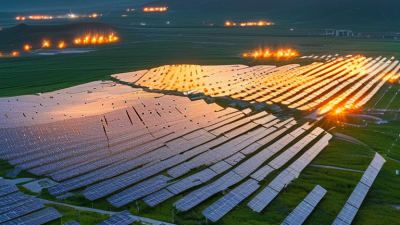
Solar lighting systems convert daylight into stored energy for use after dark. Their design depends on location, operating hours, and the brightness required. IRENA’s Renewable Capacity Statistics 2024 reports 1,419 GW of installed solar capacity worldwide at the end of 2023. This figure reflects the wider growth of solar power, not solar lighting sales. Still, it shows how widely photovoltaic technology is being deployed.
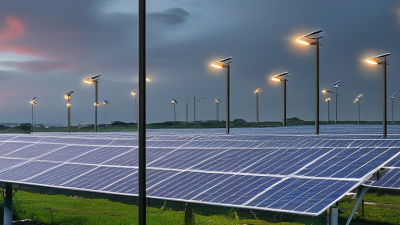
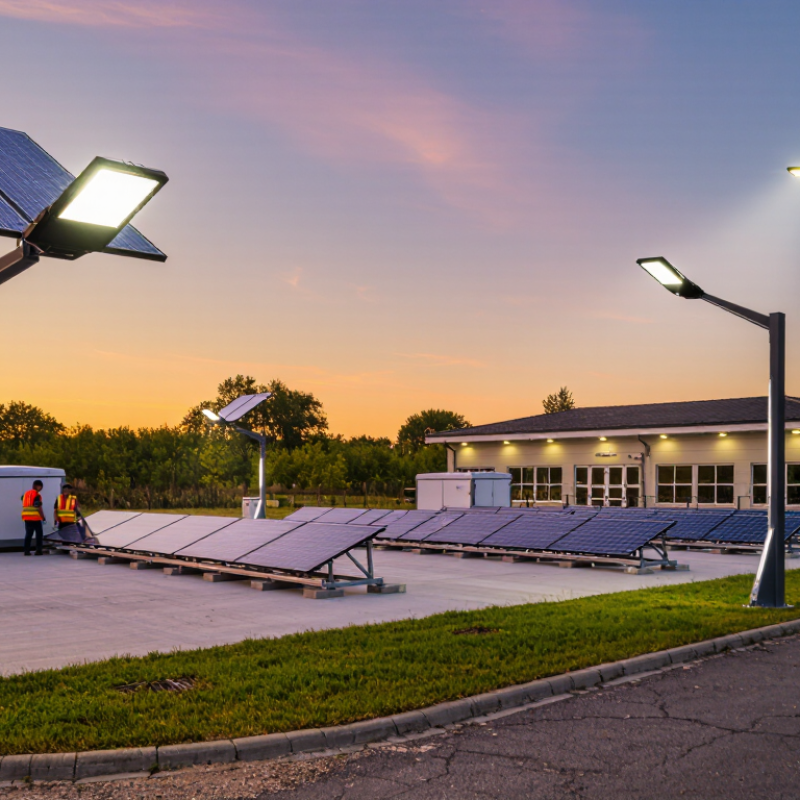
Common types include all-in-one units, with the panel, battery, and LED in one housing, and split systems, where the panel sits separately. Components typically include a photovoltaic module, rechargeable battery, charge controller, LED fixture, and mounting structure. Optics matter. A poorly aimed light can waste energy and leave dark patches on a walkway. Battery capacity and panel size should match local sunlight and the required hours of operation.
These systems serve streets, footpaths, parking areas, parks, signs, and remote community facilities. For buyers, check the stated autonomy, battery replacement method, ingress protection rating, and access to spare parts. A shaded site may need a separately mounted panel. Sizing is still messy. Real weather rarely follows a neat design estimate, so field conditions deserve more attention than brochure figures.
Criteria for Evaluating Global Solar Lighting Suppliers
For global buyers, supplier evaluation should begin with verifiable performance, not catalog claims. The IEA PVPS Trends 2024 report estimates that global solar capacity additions reached 456 GW in 2023. That rapid growth makes traceable components and consistent quality control especially important. Ask for accredited test reports covering the panel, battery, controller, and luminaire as a complete system. Check measured light output, operating hours, battery capacity, and performance after several cloudy days. Small details matter.
Review environmental suitability against the actual site. Coastal salt, desert dust, monsoon rain, and winter temperatures can shorten service life. Request relevant ingress-protection and corrosion-test results, plus photometric files showing light distribution on the road. Lighting Global’s quality-assurance framework offers useful benchmarks for assessing off-grid solar products, though buyers should confirm that tests match the exact model being quoted. A certificate for one component is not proof that the whole system performs reliably.
Commercial terms deserve equal scrutiny. Compare warranty exclusions, replacement-part availability, delivery lead times, and the supplier’s process for handling field failures. Ask for references from projects with similar climate and installation conditions. A neat spreadsheet can still hide assumptions: autonomy figures may rely on ideal sunshine, and warranties may exclude batteries. Request those assumptions in writing, then check whether local technicians can diagnose faults and replace parts without waiting weeks.
Leading Supplier Categories and Their Market Strengths
Global buyers typically assess three supplier categories: integrated system manufacturers, component specialists, and regional project distributors. Integrated suppliers combine panels, batteries, controllers, luminaires, and sometimes remote monitoring. This can simplify procurement for roads, campuses, and industrial sites. But integration may limit customization. Request photometric files, battery warranties, and performance records from comparable climates.
Component specialists offer more choice in modules, batteries, and controls. IRENA’s Renewable Capacity Statistics 2024 reports that solar photovoltaic capacity grew by 346 gigawatts in 2023. This signals a large, expanding supply base for solar components, though it is not a forecast for lighting products. Buyers should check compatibility carefully; a strong panel specification cannot compensate for a poorly matched battery or controller.
Regional distributors and project developers add local installation, maintenance, and spare-parts support. That matters where dusty roads, heat, or long repair journeys can shorten system life. The Tracking SDG 7: The Energy Progress Report 2024 estimates that 685 million people lacked electricity in 2022, underscoring the continuing need for practical off-grid solutions. Still, access needs vary sharply by location. A supplier’s claims deserve scrutiny: ask for test conditions, replacement lead times, and documented field results. Some procurement decisions remain imperfect when local operating data is thin.
Comparing Product Quality, Certifications, and Support
A solar lighting system can look impressive in a catalogue and still disappoint after several cloudy days. Compare battery capacity, panel output, rated light levels, and operating hours under stated test conditions. Ask how performance changes with heat, dust, and seasonal sunlight. Small details matter: a sealed cable gland or a replaceable battery can affect years of service. Numbers are not enough.
Product quality is easier to judge when suppliers provide traceable test reports, clear material specifications, and consistent quality-control records. Check whether reports cover the complete system or only individual components. Certifications should match the destination market and product type; request the certificate scope and verify its issuing body. A familiar logo alone proves little. This part can be tedious, but it prevents costly assumptions.
Support deserves the same scrutiny as hardware. Ask about warranty exclusions, spare-part availability, installation guidance, and typical response times across time zones. A dependable supplier can explain realistic maintenance needs and help diagnose faults with photos or remote monitoring data. Test it locally. A pilot installation can reveal glare, uneven coverage, or battery runtime issues that spreadsheets miss. No supplier can remove every uncertainty, and buyers should allow for site conditions that were not measured well.
Global Sourcing, Logistics, and Supplier Selection
Global sourcing for solar lighting systems starts with matching the product to the site. Ask suppliers for photometric data, battery capacity, panel specifications, and operating-temperature ranges. A lighting plan for a cloudy coastal area may differ sharply from one for a dry, sunny site. Request a sample and test it outdoors after dusk, not only in a showroom. Real conditions matter.
Supplier selection should include production capacity, quality checks, and clear communication. Ask how each unit is inspected before shipment and whether replacement batteries and controllers will remain available. Review test reports, warranty terms, packaging details, and reference projects where possible. A polished catalogue is not enough. Small details matter. Confirm that quoted specifications match the sample and final order, since small component changes can affect runtime.
Logistics need attention early. Confirm carton dimensions, shipping lead times, spare-parts quantities, and who handles export documents and delivery coordination. Build extra time into the schedule; port congestion and seasonal demand can shift arrival dates. No checklist catches everything. One common oversight is assuming the supplier understands local installation conditions without drawings or site photos. Share those details, then ask the supplier to identify any risks in writing. A careful comparison may take longer, but it can prevent costly surprises after the shipment arrives.