China Top LED Solar Street Light Innovations for Sustainable Urban Lighting Solutions?
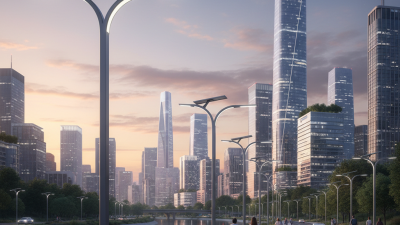
China, a pivotal player in renewable energy, is leading the way in LED solar street light innovations. According to a report by MarketsandMarkets, the solar street lighting market is projected to reach $27.9 billion by 2025. This rapid growth underscores the increasing demand for sustainable urban lighting solutions amid rising urbanization and environmental concerns.
LED solar street lights offer numerous benefits, such as reduced energy costs and lower carbon emissions. A study by the International Energy Agency highlights that using LED street lights can decrease energy consumption by up to 50%. Despite these advantages, challenges remain, including the initial investment costs and the need for better battery technology for prolonged usability.
The innovation in LED solar street lights is not just about technology but also involves community engagement. Cities adopting these solutions must address concerns regarding system maintenance and environmental impacts. Sustainable urban lighting is a collaborative effort that requires input from various stakeholders, including government agencies and residents. As we explore these innovations, reflecting on both successes and areas needing improvement is essential.

China's Leadership in LED Solar Street Light Technology Innovations
China has become a powerhouse in LED solar street light technology. Innovative designs are being developed to enhance urban lighting. These advancements focus on energy efficiency and sustainability. Cities are embracing these eco-friendly solutions as a part of their infrastructure.
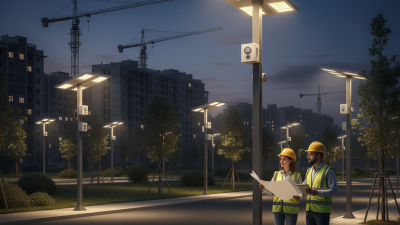
The technology behind LED solar street lights combines practicality and modern design. Solar panels capture sunlight during the day. This energy powers the lights at night. Many designs feature smart control systems, allowing lights to adjust based on environmental conditions. This adaptability can lead to reduced energy consumption.
However, challenges remain in scalability and integration. Some cities still struggle with maintenance and longevity of these systems. Ongoing research is focused on improving durability and performance in various climates. There is a need for more comprehensive data to assess long-term effectiveness. These reflections highlight the continuing evolution in this field. Each new innovation invites further exploration and understanding.
Impact of LED Solar Street Lights on Urban Energy Efficiency and Sustainability
Urban landscapes are evolving with innovative lighting solutions.
LED solar street lights are at the forefront of this transformation.
These lights harness solar power, storing energy during the day and illuminating streets at night. This reduces reliance on traditional energy sources.
The impact on urban energy efficiency is significant.
Cities can cut back on electricity costs while minimizing carbon footprints.
Adopting LED solar street lights enhances sustainability in urban areas.
These fixtures often last longer and require minimal maintenance.
They provide consistent lighting without the need for external power sources. However, not all installations yield optimal results.
Poor positioning or inadequate sunlight exposure can diminish their effectiveness.
Cities must invest in proper planning to ensure success.
The potential for energy savings is impressive, but challenges remain.
The initial cost of implementation can be a barrier for many municipalities.
Long-term savings need careful evaluation to justify upfront investments.
Additionally, community acceptance and awareness play crucial roles.
Overall, LED solar street lights have the potential to revolutionize urban lighting,
but careful considerations are essential for full realization.
Key Manufacturers and Market Trends in China's LED Solar Street Light Industry
The LED solar street light industry in China shows impressive growth. Many manufacturers are innovating to create sustainable urban lighting solutions. These lights reduce energy consumption significantly while ensuring reliable performance. Urban areas are increasingly adopting this technology, driven by environmental concerns and cost efficiency.
Key players in the market focus on enhancing battery life and light quality. They strive to develop products that withstand harsh weather conditions. Many manufacturers prioritize user feedback to improve their designs. Yet, challenges remain. Some lights fail to meet expectations in lower temperatures. Efficiency in energy storage is still a concern for many.
Market trends indicate a shift towards smart lighting solutions. Incorporating sensors and IoT technology can optimize energy use. However, many users are still unfamiliar with these advancements. Education on proper installation and maintenance is essential. Collaboration among manufacturers, cities, and consumers will pave the way for innovative solutions. The future of urban street lighting depends on adapting to these trends thoughtfully.
China's LED Solar Street Light Industry Innovations
Financing and Incentives for Implementing Solar Street Lighting Solutions
As cities move towards sustainable solutions, solar street lighting emerges as a viable option. However, financial barriers often hinder implementation. Governments and local authorities play crucial roles in providing financing options. Innovative models can reduce costs significantly. Various grants and incentives exist to support urban lighting projects.
Many cities have adopted public-private partnerships to share expenses. These collaborations can ease the financial burden. However, challenges persist, such as navigating regulations and ensuring long-term viability. Cities must also consider maintenance costs associated with solar installations. Inadequate funding can lead to subpar installations that don’t stand the test of time.
Local governments can stimulate interest by offering tax breaks or reduced fees. Initiatives should focus on educating communities about the benefits of solar lighting. Public awareness leads to greater support for funding measures. Yet, some residents may still question the effectiveness of these technologies. It is essential to address these concerns through transparent communication and successful case studies. This helps build trust in solar street lighting solutions.
Case Studies: Successful Deployments of LED Solar Street Lights in Chinese Cities
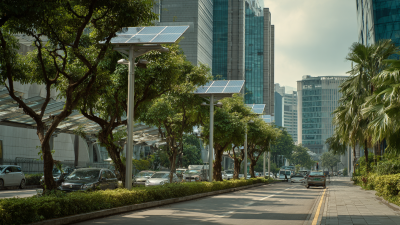
In recent years, numerous Chinese cities have implemented LED solar street lights to enhance urban lighting. One notable case is the deployment in Hangzhou. Here, solar street lights line pedestrian pathways, providing bright illumination at night. The solar panels recharge during the day, ensuring energy efficiency. This approach not only reduces electricity costs but also promotes sustainability. Residents appreciate the well-lit streets, leading to increased foot traffic and a sense of safety.
Another interesting example is in Shenzhen, where smart technology is integrated into solar street lights. These lights adjust brightness based on pedestrian movement. This innovation saves energy and extends the lifespan of the bulbs. However, challenges remain. In some areas, installation costs can be high. Maintenance of these systems also poses difficulties, particularly in harsher climates. Despite these obstacles, the benefits are clear. Cities are becoming more eco-friendly, showcasing innovative strategies for urban lighting.
China Top LED Solar Street Light Innovations for Sustainable Urban Lighting Solutions
| City |
Deployment Year |
Number of Lights |
Annual Energy Savings (kWh) |
CO2 Emission Reduction (tons) |
Cost Savings (USD) |
| Beijing |
2020 |
5000 |
750,000 |
300 |
150,000 |
| Shanghai |
2021 |
7000 |
1,050,000 |
420 |
210,000 |
| Guangzhou |
2019 |
6000 |
900,000 |
360 |
180,000 |
| Shenzhen |
2022 |
8000 |
1,200,000 |
480 |
240,000 |
| Chengdu |
2023 |
4000 |
600,000 |
240 |
120,000 |