How to Choose Solar Powered Street Lights for Your Project?
Selecting the right solar powered street lights for your project is crucial. According to the Solar Energy Industries Association, solar-powered lighting can reduce energy costs by up to 80%. This statistic emphasizes the importance of choosing the right products. Industry expert Dr. Emily Parker states, "Investing in the right solar powered street lights not only saves money, but also promotes sustainability."
As urban areas grow, the demand for effective street lighting increases. Solar powered street lights ensure that even remote areas receive adequate illumination. These lights are equipped with solar panels, LED technology, and smart sensors. This combination maximizes energy efficiency and functionality. However, not all solar lights are created equal. Factors such as battery quality, lumen output, and installation conditions must be considered.
Navigating through various options can be overwhelming. It’s essential to evaluate each product’s specifications. Look for lights that have a strong warranty and proven performance. Dr. Parker reminds us that, "Making informed choices is key to a project's success." Ultimately, the investment in solar powered street lights must balance cost, performance, and sustainability for the best results.
Consider the Key Benefits of Solar Powered Street Lights
Solar powered street lights offer significant environmental and economic advantages. According to a report by the Global Environment Facility, these systems can reduce energy costs by up to 75%. They harness sunlight, converting it into electricity, which powers LED lights during the night. This not only cuts electricity bills but also promotes sustainability by utilizing renewable energy.
Another key benefit is the reduction in maintenance effort. Traditional street lights often require regular bulb replacements and electrical upkeep. In contrast, solar lights usually come equipped with long-lasting LED technology, which can outlast conventional options. Some models can last over 50,000 hours. This longevity translates to less frequent replacements and lower labor costs.
Moreover, solar powered street lights are often easier to install. They don’t require extensive wiring or trenching, making them suitable for remote locations. Data from the Solar Foundation indicates that installation times can be cut by 40% compared to traditional lighting solutions. However, it’s crucial to assess local sunlight availability. In regions with limited sunlight, performance may vary, necessitating potential adjustments in planning. Balancing benefits with these considerations is essential for successful implementation.
Evaluate Different Types of Solar Street Light Technologies
When selecting solar-powered street lights, understanding the different technologies is crucial. There are various options available, each with unique features. The most common types include LED, CFL, and traditional bulbs.
LED lights are energy-efficient and have a longer lifespan. They provide bright illumination and are increasingly popular for street lighting projects.
CFL lights are another choice. They consume less energy than traditional bulbs. However, they may require more frequent replacement than LEDs. The light quality can also vary. Traditional bulbs might be less expensive initially but are not as efficient. They consume more energy and have a shorter lifespan. Analyzing these factors will help you make an informed decision.
Consider the environmental conditions where the lights will be installed. Location matters. For example, areas with heavy shadow may require lights with a higher lumen output. It's also essential to evaluate the battery capacity and solar panel efficiency. Some systems may not perform well in cloudy or rainy environments. Be sure to account for local climate conditions and the intended use of the lights in your project.
Assess Energy Requirements and Output for Specific Applications
Assessing energy requirements and output is crucial for selecting solar powered street lights. Projects often vary in size and location, impacting energy needs. For instance, an urban area may require higher lumen outputs due to surrounding artificial lights. According to the National Renewable Energy Laboratory, effective solar street lighting typically demands 100 to 250 watts of solar panels per light, depending on the application.
Consider the typical duration of nightly use. Many projects operate from dusk to dawn, requiring a consistent energy supply. A 2019 report from the Solar Energy Industries Association noted that solar street lights should ideally have battery storage that can handle three days of autonomy. This ensures functionality during cloudy conditions, which can reduce solar generation.
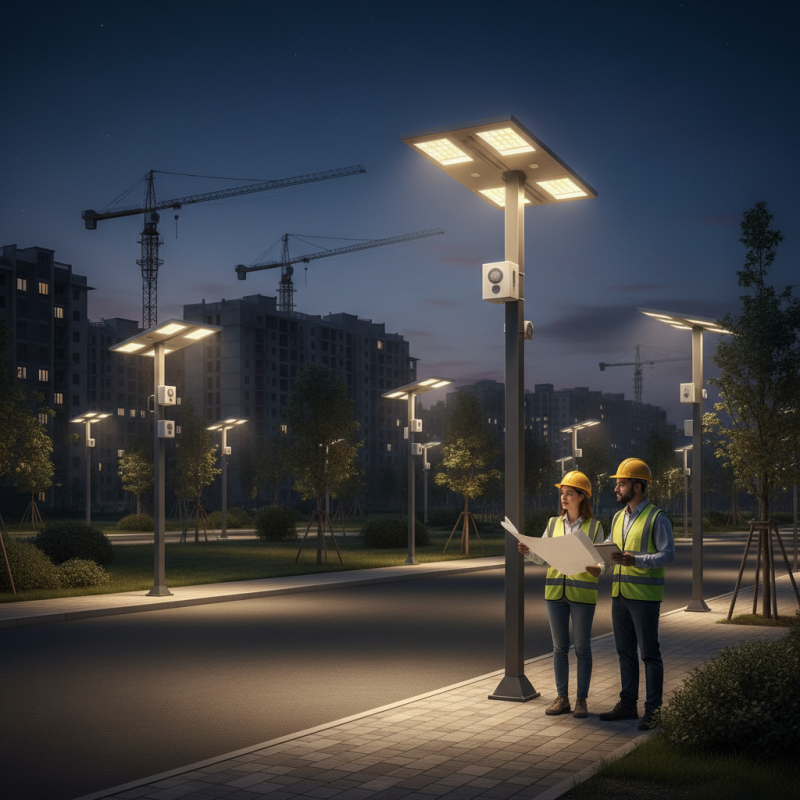
Integrating advanced sensors can enhance efficiency. Motion sensors, for example, can dim lights when no activity is detected, contributing to energy conservation. These systems necessitate careful consideration of energy output and storage capacity. Achieving the right balance might not be straightforward. Planning and calculations may reveal discrepancies between estimated requirements and actual energy production. Therefore, it's vital to tailor solutions to specific environmental and project needs.
Energy Output vs. Energy Requirement for Solar Powered Street Lights
This chart illustrates the energy output of solar panels (in Watts) compared to the energy requirements (in Watts) of different street light models suited for various applications. Understanding this balance is crucial for selecting the right solar powered street lights for your project.
Analyze Cost-Effectiveness and ROI of Solar Street Lighting
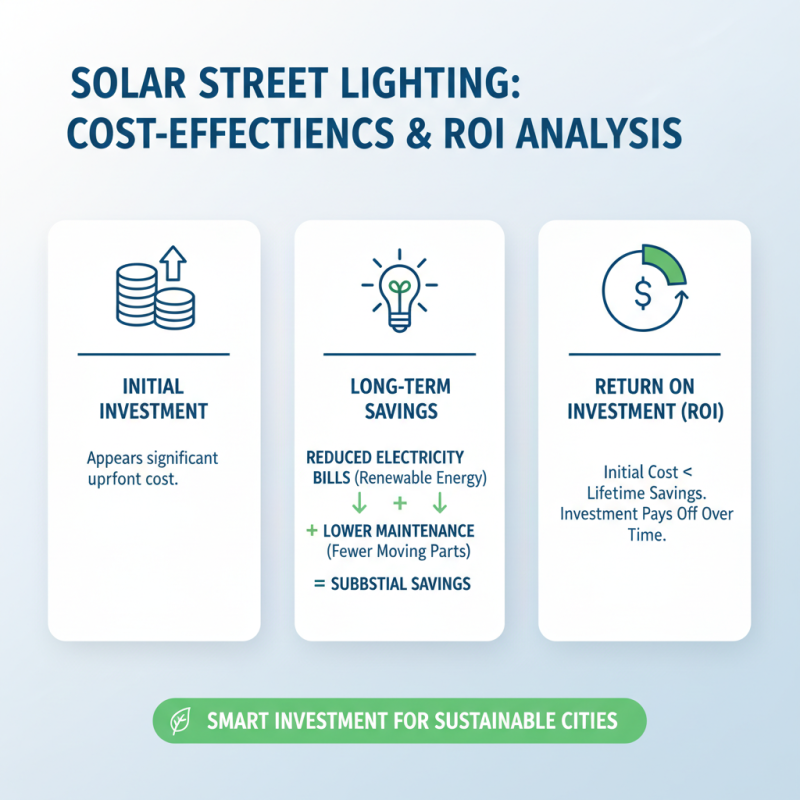
When considering solar street lighting, analyzing cost-effectiveness and return on investment (ROI) is crucial. The initial investment may appear significant, but long-term savings can outweigh these costs. Solar lights reduce electricity expenses since they rely on renewable energy. Maintenance costs are often lower as they have fewer moving parts compared to traditional systems.
Evaluating the specific needs of your project is essential. Analyze the local climate and sunlight availability, as these directly impact energy generation. Consider the lifespan of solar panels and batteries. While some opt for higher initial quality, cheaper options might necessitate frequent replacements.
It’s also worth reflecting on potential hidden costs. For instance, installation may require specialized skills, impacting overall budgeting. Factor in the environmental benefits, as reducing reliance on fossil fuels supports sustainability goals. Yet, projects can vary widely in effectiveness based on location and design, requiring careful planning to ensure a satisfactory outcome.
Understand Regulatory Compliance and Local Incentives for Projects
Understanding regulatory compliance is crucial when choosing solar-powered street lights. Different regions have varying regulations that dictate installation standards and usage. In the U.S., the Department of Energy emphasizes the importance of adhering to local codes. Compliance can help avoid fines and project delays.
Local incentives can significantly enhance your project's feasibility. According to the Solar Energy Industries Association (SEIA), states like California offer substantial rebates. These can cover up to 30% of project costs. Researching available incentives can provide critical financial benefits. Each locality may have unique programs that encourage solar usage.
Project developers often overlook these aspects. Ignoring regulations can lead to legal complications or increase project costs. Similarly, failing to explore local incentives can mean missing out on vital funding. It's essential to stay informed and consult local authorities. They can provide detailed requirements and help identify applicable incentives. Engaging with experts in the field can enhance compliance knowledge and uncover funding opportunities.