What is a Vibration Measuring Device and How Does It Work?
Vibration Measuring Devices play a crucial role in various industries. They monitor vibrations in machinery and structures, helping to ensure safety and efficiency. These devices can detect irregularities that may lead to mechanical failure. Understanding how they work is essential for maintenance professionals.
A Vibration Measuring Device typically uses sensors to capture data. This data provides insights into the operational condition of equipment. Regular monitoring can prevent costly downtime and extend the lifespan of machinery. However, not all devices are equally effective. Selecting the right one involves considering various factors such as sensitivity and range.
While these devices are powerful tools, they are not infallible. Miscalibrated or poorly maintained equipment can lead to inaccurate readings. Therefore, it is vital to regularly check the performance of the Vibration Measuring Device. Proper training and expertise are essential for analyzing the data and making informed decisions.
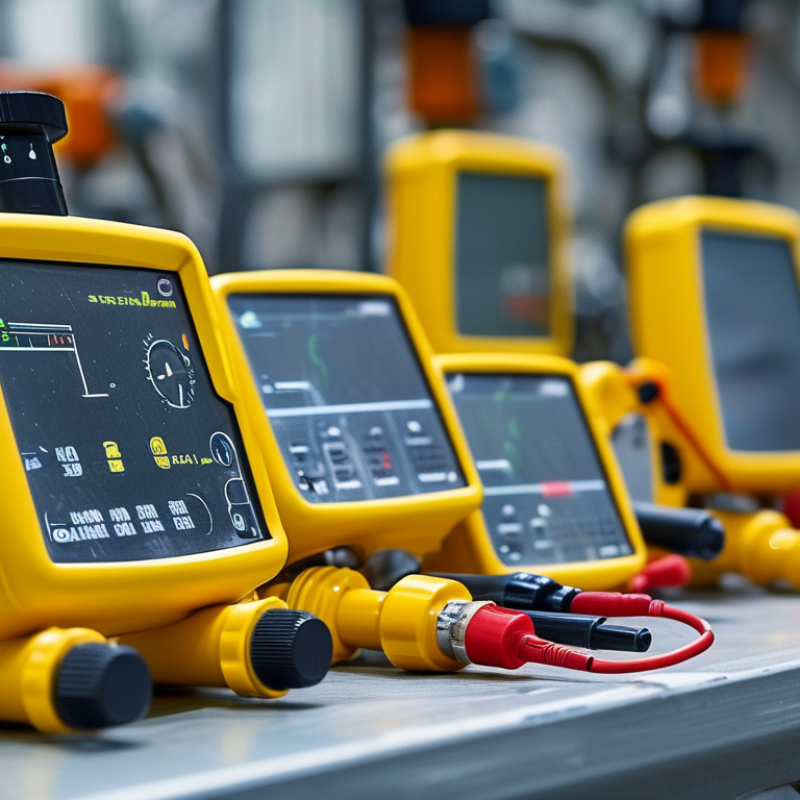
What Is a Vibration Measuring Device?
A vibration measuring device is crucial in various industries, including manufacturing and aerospace. It assesses vibration levels in machinery and structures, helping to identify potential issues. Detecting excessive vibrations can prevent costly failures and ensure safety.
These devices work by using sensors that convert mechanical vibrations into electrical signals. Accelerometers are common sensors used for this purpose. They measure the rate of change of velocity, translating vibrations into readable data. This data can be analyzed to determine the source and severity of the vibrations. Over time, understanding these patterns can enhance maintenance schedules.
However, not all vibration measuring devices are created equal. Some may lack the necessary sensitivity or accuracy for specialized applications. Learning how to interpret the data can also be challenging. Proper training and experience are vital for users to make informed decisions based on these measurements. Exploring the limitations and potentials is key for improvement.
Types of Vibration Measuring Devices and Their Applications
Vibration measuring devices are critical tools in various industries. They offer insights into the condition of machinery and infrastructure. Understanding their types helps users select the appropriate device for specific applications.
One common type is the accelerometer. It measures the acceleration of moving parts. This data helps in predicting equipment failure. The simple design and effectiveness make it widely used. Another significant device is the velocity transducer. It captures the speed of vibrations. Companies often use it for monitoring rotating equipment, ensuring optimal performance.
In many cases, users face challenges in selecting the right device. Not all devices perform equally in different environments. The right choice can depend on the frequency and amplitude of vibrations. Therefore, understanding these parameters is essential. Many also overlook the importance of regular calibration. Ensuring accuracy is vital for reliable data. Implementing a structured maintenance schedule can greatly enhance device effectiveness.
What is a Vibration Measuring Device and How Does It Work?
| Type of Vibration Measuring Device | Working Principle | Applications | Measurement Range |
| Accelerometer | Measures acceleration forces to determine vibration | Condition monitoring, equipment diagnostics | 0.1 g to 100 g |
| Vibration Meter | Measures vibration amplitude using displacement, velocity or acceleration | Balancing rotating machinery, vibration analysis | 0.1 mm/s to 100 mm/s |
| Laser Vibrometer | Uses laser beams to measure vibration displacement | Research, automotive testing, non-contact measurements | Up to 10 nm |
| Piezoelectric Sensor | Converts mechanical vibration into electrical signals | Industrial machinery monitoring, seismic measurements | Wide range, typical sensitivity from 1 to 1000 mV/g |
| Strain Gauge | Measures deformation due to vibration | Structural health monitoring, aerospace testing | Sub-microstrain to several strain values |
Principles of Vibration Measurement and Sensing Technology
Vibration measuring devices are essential in various industries. They help monitor machinery and detect faults. Understanding the principles of vibration measurement can optimize performance and ensure equipment longevity.
The most common method of vibration sensing involves using accelerometers. These devices convert mechanical movement into electrical signals. When machinery vibrates, it creates a specific pattern. This pattern can reveal information about the health of the equipment. Another principle is the use of displacement sensors. They measure the physical distance moved by a vibrating surface.
Tips for effective vibration measurement include maintaining sensor placement. Incorrect placement can lead to inaccurate readings. Regularly calibrating your devices also enhances reliability. It's crucial to consider environmental factors. Temperature and humidity can affect measurements, leading to variability. Always analyze data in the context of operational conditions for better insights.
How to Use a Vibration Measuring Device Effectively
Using a vibration measuring device effectively requires attention to detail and a solid understanding of its operation. These devices assess how vibrations affect machinery and structures. Incorrect usage can lead to flawed readings and poor decision-making. Proper calibration is vital before any measurement. Factors such as temperature and humidity can skew results, making it critical to document the testing environment.
When conducting a vibration analysis, the placement of the sensor matters. Positioning the device close to the vibrating source yields more accurate data. Industry standards indicate that sensor alignment with the direction of vibration significantly affects measurement quality. A study published by the International Society of Automation notes that improper sensor positioning can reduce measurement accuracy by as much as 30%.
Understanding your equipment's specifications is essential. Each device has a frequency range that it can measure effectively. Exceeding this range can lead to significant errors. It’s crucial to analyze collected data critically. Not every reading indicates a problem; some vibrations are normal for specific machinery operations. Reflecting on these aspects ensures that your analysis is reliable.
Interpreting Vibration Data and Analyzing Results
Vibration data is crucial for assessing the condition of machinery. Analyzing this data reveals potential issues before they escalate. Engineers use vibration measuring devices to capture oscillations in machinery. This process helps identify imbalance, misalignment, or wear in equipment. The results can be complex, but understanding the fundamental principles can simplify them.
Interpreting vibration data requires knowledge of frequency and amplitude. These components help diagnose problems. High amplitude at a specific frequency might indicate an issue. It is essential to compare the data against established baseline readings. You might notice unusual patterns over time. This could suggest developing issues with equipment that needs attention.
Tips: Always document your readings systematically. This record will help in future comparisons. Regular calibration of your measuring device is vital. It ensures accuracy and reliability. Recognizing early signs of vibration anomalies can save time and resources.
Vibration Measurement Data Analysis
