Top 10 Ways to Use a 60 To 50 Hz Converter Effectively?
In today's global economy, the need for efficient power conversion is crucial. The use of a 60 To 50 Hz Converter is one way to achieve optimal energy efficiency. According to a recent report by the International Energy Agency, energy conversion processes can account for up to 20% of total energy losses. This highlights the importance of utilizing converters to match the requirements of different electrical appliances effectively.
The ability to convert frequency is vital for businesses operating in regions with varying electrical standards. For instance, many electronic devices are designed for a specific frequency. Using a 60 To 50 Hz Converter allows these devices to function correctly without compromising performance. However, many users are unaware of the best practices for operating converters effectively, which can lead to increased wear and energy waste.
Despite the advantages, improper use of a 60 To 50 Hz Converter can result in adverse effects. For example, overloading the converter can lead to failure. Data from industry sources show that nearly 10% of converters fail due to misuse. It's essential to understand the potential pitfalls and to apply best practices for maximum efficiency and longevity.
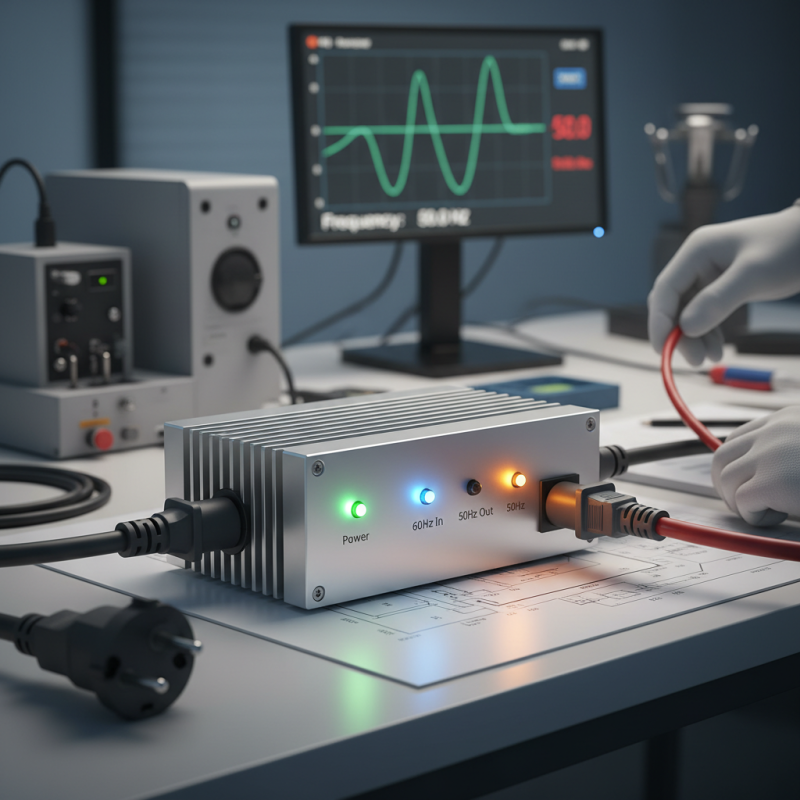
Understanding the Basics of 60 to 50 Hz Converters
Understanding the basics of 60 to 50 Hz converters is essential for many industries. These converters allow equipment operating on 60 Hz frequency to work in areas with a 50 Hz supply. According to a report by the International Electrotechnical Commission (IEC), equipment failures linked to frequency mismatch can result in significant downtime and loss of productivity. Reliable conversion is key to maintaining operational efficiency.
These converters function by converting the electrical frequency, managing the output to suit the appliance's needs. Many electrical devices, particularly motors and transformers, experience reduced efficiency or even damage at incorrect frequencies. In fact, research shows that 30% of industrial equipment failures are tied to frequency discrepancies.
Users often overlook the importance of proper load management during conversion. An unbalanced load can lead to overheating and unexpected failures. The input power factor can change significantly when using a converter, impacting overall energy consumption. Regular monitoring and adjustments can minimize these risks. Understanding both the benefits and pitfalls of using 60 to 50 Hz converters can lead to long-term savings and increased reliability.
Top 10 Ways to Use a 60 To 50 Hz Converter Effectively
| Method | Description | Benefits |
| Home Appliances | Use converters to power 60 Hz appliances in 50 Hz regions. | Allows the use of imported appliances. |
| Industrial Equipment | Optimize machinery that requires 60 Hz supply. | Improves efficiency and functionality of operations. |
| Audio Equipment | Enhance sound systems that only work on 60 Hz. | Prevents distortion and maintains sound quality. |
| Power Tools | Run power tools imported from 60 Hz countries. | Expands the versatility of tool usage. |
| Testing Equipment | Use for testing devices designed for 60 Hz operation. | Ensures accurate testing and diagnostics. |
| Laser Printers | Power laser printers that operate on 60 Hz. | Ensures efficient printing and performance. |
| Television and Media | Utilize 60 Hz TVs and media players in 50 Hz zones. | Enhances viewing experience without flickering. |
| Consulting Services | Hire experts to advise on proper converter use. | Increases safety and equipment lifespan. |
| Smart Devices | Connect smart home devices designed for 60 Hz. | Maximizes functionality of home automation systems. |
| Data Centers | Power servers requiring a 60 Hz supply. | Ensures server reliability and uptime. |
Identifying Suitable Devices for Frequency Conversion
When selecting devices for frequency conversion from 60 Hz to 50 Hz, it's essential to identify those that need this adjustment. Typically, devices include industrial machinery, motors, and certain electronic equipment. These devices rely on specific frequency inputs to operate correctly.
Some devices may show poor performance if used with the wrong frequency. An electric motor designed for 50 Hz may overheat on a 60 Hz supply. Also, durability could suffer over time. It’s crucial to check the specifications of your equipment before making a transition.
Tips for ensuring successful frequency conversion include consulting technical manuals or experts. Always verify compatibility before connecting devices to a new frequency. Frequent testing of equipment performance post-conversion can help identify any potential issues early. Regular maintenance and monitoring ensure long-lasting efficiency.
Step-by-Step Installation Process of a 60 to 50 Hz Converter
Installing a 60 to 50 Hz converter can be a straightforward process if approached methodically. First, gather all necessary tools. You will need wire strippers, a screwdriver, and the converter itself. Ensure that you have a clean and well-lit workspace. This helps in preventing mistakes during installation. Once ready, turn off the power supply to the equipment you want to connect.
Next, carefully read the manufacturer's guidelines. Connect the wires from your device to the converter. Pay attention to the color coding of the wires. A common mistake is mixing them up. Secure the connections tightly to avoid any electrical issues later. After the wiring is complete, turn the power back on. Test the converter to ensure it operates correctly. Listen for any unusual sounds, indicating potential installation issues.
If problems arise during the test, do not immediately assume the converter is faulty. Check your connections again. Sometimes, a loose wire can lead to malfunctions. Ensure everything is securely fastened and correctly positioned. Troubleshooting is a critical skill in this process. It can save you time and resources in the long run. Reflect on what went wrong, if any issues persist.
Maximizing Efficiency: Tips for Optimal Converter Performance
When using a 60 to 50 Hz converter, efficiency is key. A well-maintained converter minimizes energy loss. Regularly check connections and wires for wear. Loose connections can lead to inefficient performance. Monitor the load you put on the converter. Overloading it may reduce its lifespan and effectiveness.
Consider the environment where the converter operates. Heat can impact its performance. Ensure it’s placed in a cool area. Ventilation plays a crucial role. Dust accumulation can block airflow. Cleaning the unit regularly helps maintain optimal functionality.
Running tests on the converter can reveal its health. Document any fluctuations in performance. Are there times when it struggles? This data can guide improvements. It's vital to evaluate your needs often. An inappropriate converter can lead to inefficiencies. Always seek to learn from each use. Reflecting on these details allows for better efficiency over time.
Common Issues and Troubleshooting with Frequency Converters
When using a 60 to 50 Hz converter, common issues often arise. One frequent problem is voltage fluctuations. These variations can impact the performance of connected devices. For instance, industrial data shows that improper frequency conversion can lead to a 30% increase in equipment wear and tear. Understanding how to troubleshoot these issues is essential.
Heat generation is another concern with frequency converters. Many systems may experience overheating, leading to malfunctions. Cooling solutions must be implemented to mitigate this risk. According to recent studies, around 15% of frequency converter failures are due to inadequate cooling. Regular maintenance and monitoring can significantly reduce these incidents.
**Tip:** Regularly check temperature levels. Implementing thermal sensors can help catch overheating issues before they cause damage.
Noise interference is also a potential challenge. Converters can produce electromagnetic interference (EMI), affecting nearby electronics. This issue is critical in sensitive environments like hospitals. Data indicates that 20% of frequency converter-related complaints involve EMI. Addressing this requires careful installation and shielding.
**Tip:** Use proper shielding methods to minimize EMI. Installers should prioritize grounding and isolation techniques.
Identifying these issues early on can enhance the longevity and reliability of your devices. A proactive approach is necessary. Regular checks and adjustments can prevent minor issues from escalating into costly repairs.
Top 10 Common Issues with Frequency Converters
