Top 10 Waterjet Cutting Machinery Choices for Your Business?
In the rapidly evolving world of manufacturing, waterjet cutting machinery stands out as a vital tool. These machines can effortlessly slice through various materials, from metals to composites. Their versatility attracts a broad range of businesses, from automotive to aerospace. With numerous options available, selecting the right waterjet cutting machinery can feel overwhelming.
Understanding the unique needs of your business is crucial. Consider the materials you commonly work with and the precision required. The wrong choice could lead to inefficiencies or increased costs. It's essential to reflect on past experiences to avoid making uninformed decisions.
As you explore the top 10 choices for waterjet cutting machinery, think about the specific features that align with your production processes. Each machine has its strengths and weaknesses. Personal experience and feedback from industry peers can guide you toward a more informed selection. Your next investment could significantly impact your business efficiency and profitability.
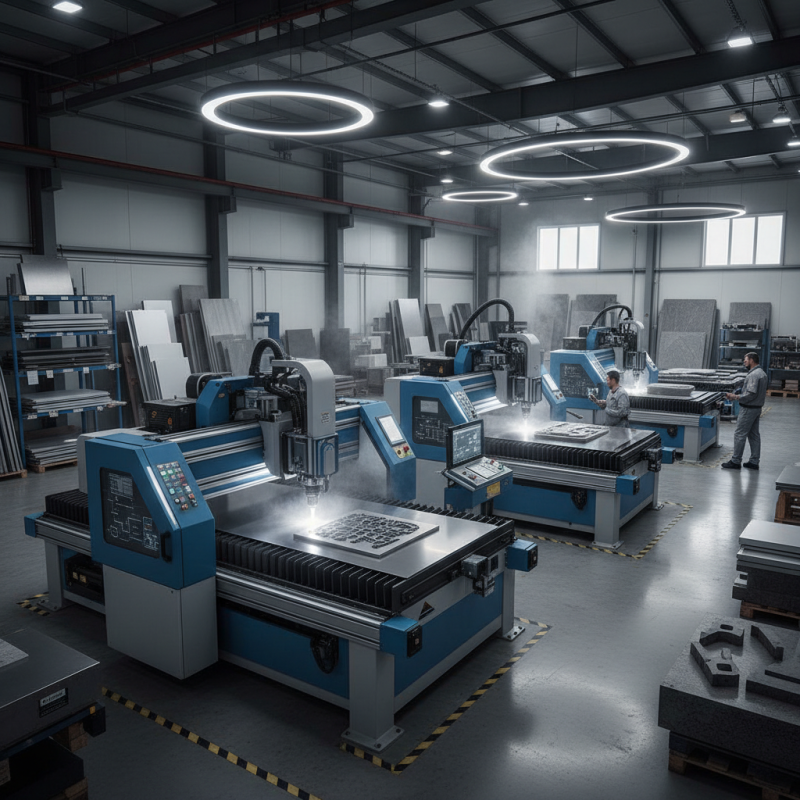
Top Waterjet Cutting Technologies Explained: An Overview
Waterjet cutting technology has revolutionized the manufacturing landscape. This powerful tool uses high-pressure water to cut through various materials. It is precise and reduces waste, making it eco-friendly. However, understanding the types of waterjet systems is crucial for effective use.
There are two main types of waterjet cutting technologies: pure waterjet and abrasive waterjet. Pure waterjets work well for softer materials like foam and rubber. Abrasive waterjets, on the other hand, can handle harder materials like metal and glass. Each type serves different needs. Therefore, assessing your material requirements is important.
When selecting waterjet machinery, consider the desired cutting speed and thickness. Not all machines provide the same level of precision. Some may struggle with intricate designs. User experiences vary, and reviews can help. Evaluating a machine's performance before purchase can avoid future regrets.
Key Features to Consider in Waterjet Cutting Machinery Selection
Choosing the right waterjet cutting machinery for your business involves several critical factors. One essential feature to consider is the cutting pressure. Higher pressure can provide cleaner cuts and improve the ability to work with thicker materials. However, it's important to evaluate if the added cost aligns with your business needs.
Another key aspect is the size of the cutting table. A larger table accommodates bigger projects but may require more space. Smaller tables are easier to manage but can limit your project scope. Often, businesses overlook the need for future expansion. Investing in a larger table can be wise if growth is anticipated.
Additionally, precision is crucial in the selection process. Look for machines that offer high accuracy and repeatability. This impacts the quality of your products directly. It's often mentioned that speed is equally important. Yet, faster cutting doesn't always equal better results. Evaluate your specific workflows to understand what balance works best for you.
Comparative Analysis of Leading Waterjet Cutting Brands and Models
Waterjet cutting technology is gaining momentum in various industries. Its precision and versatility make it an attractive option for manufacturers. A recent industry report shows that the global waterjet cutting machine market is expected to reach $3.5 billion by 2025, growing at a CAGR of 7.2%.
When analyzing leading brands, users should compare pump types. Direct drive pumps offer efficiency, while intensifier pumps excel in high-pressure applications. User feedback often highlights the need for user-friendly interfaces. A study indicates 78% of operators prefer systems that are easy to learn.
Tips: Always assess the maintenance requirements of the machinery. Regular maintenance can prevent costly downtimes. Additionally, consider the availability of replacement parts.
Another factor to reflect on is software compatibility. Advanced cutting systems often come with sophisticated software, but this can complicate operations for new users. Make sure to verify your design team's comfort with the technology. According to industry experts, 65% of waterjet users report challenges in software learning curves, impacting productivity.
Tips: Seek out machines with strong customer support. A solid support system can aid in faster issue resolution and training. Investing in employees can pay off in improved efficiency.
Cost-Benefit Evaluation of Waterjet Cutting Systems for Businesses
When considering waterjet cutting systems, a cost-benefit evaluation is crucial. These machines provide versatility and precision, making them attractive to various industries. However, it's not just about the initial investment. Operational costs, maintenance, and material waste are significant factors. Businesses should analyze the total cost of ownership over time.
Tips: Always factor in the cost of consumables. Abrasives and replacement parts add to expenses. Regular maintenance helps avoid unexpected costs. Look for machines that offer lower operating costs without sacrificing performance.
Comparing various options can reveal hidden costs. Some machines may seem affordable upfront but require expensive consumables. Evaluating capabilities against your production needs is vital. Calculate the potential return on investment. A machine that cuts faster can increase productivity but may cost more initially.
Consider space and utilities. High-powered waterjet systems need adequate power and drainage. This setup can add to installation costs. Keep in mind, the perfect machine doesn't exist. Careful evaluation is key to finding the right balance for your business needs.
Industry Trends: Advancements in Waterjet Cutting Technology and Applications
Waterjet cutting technology is advancing rapidly. Companies are investing in new machinery to stay competitive. Recent reports show the global waterjet cutting market is estimated to reach $3.73 billion by 2026. This growth reflects the demand for precision and versatility in diverse industries.
One significant trend is automation in waterjet systems. Advanced robotics are now integrated into these machines. They enhance efficiency and reduce production costs. According to a study by Grand View Research, automation can increase output by 30%. However, the initial investment can be a barrier for some businesses. This raises questions about cost-effectiveness and scaling.
Another area of development is the use of eco-friendly materials. Waterjet cutting produces minimal waste, making it appealing to sustainable practices. Industry experts highlight the potential of using recycled materials in this process. Still, some challenges remain. The adaptation to new materials may require adjustments in machinery and techniques. This can lead to unexpected expenses.
