Top Solar Lighting Systems for Sustainable Outdoors in 2026?
In recent years, the demand for sustainable solutions has surged. Among these, the solar lighting system stands out. These systems harness sunlight, making outdoor spaces beautiful and functional. By 2026, we expect significant advancements in solar technology.
Today, solar lighting systems offer various options for different needs. From garden lights to security fixtures, these products enhance safety and aesthetics. They are easy to install and require minimal maintenance. However, not all solar lighting systems deliver consistent performance. Some models struggle with battery life, especially in cloudy climates.
As we explore the top solar lighting systems for 2026, we must consider both innovation and practicality. A good system should provide durability and efficiency. Yet, some brands may compromise quality for affordability. It's crucial to reflect on these trade-offs when choosing a solar lighting system.
Overview of Solar Lighting Systems and Their Importance for Sustainability
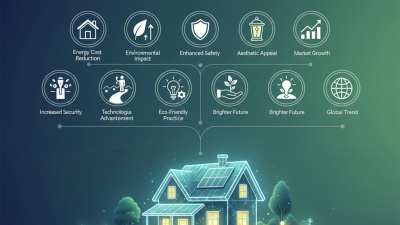
Solar lighting systems have emerged as a pivotal solution for sustainable outdoor spaces. With increasing global energy demands, innovative solar technology has become essential. According to a 2022 report by the International Energy Agency, solar energy could potentially power nearly 10% of the world’s energy needs by 2030. These systems utilize renewable energy from the sun, significantly reducing dependence on fossil fuels.
The importance of solar lighting for sustainability cannot be overstated. They minimize carbon footprints and decrease electricity costs. A report from the U.S. Department of Energy states that solar outdoor lighting can save up to 50% on energy costs compared to traditional lighting. Additionally, these systems contribute to improved safety and security in outdoor areas, enhancing community well-being.
However, challenges remain. Initial installation costs can be high, hindering adoption. Some systems also struggle with efficiency during long periods of cloudy weather or low sunlight. Users must assess local climate conditions carefully. Technological advancements are vital to overcome these hurdles. The industry is evolving, but the push for efficiency and affordability is still necessary.
Key Features of High-Performance Solar Lighting Systems for Outdoor Use
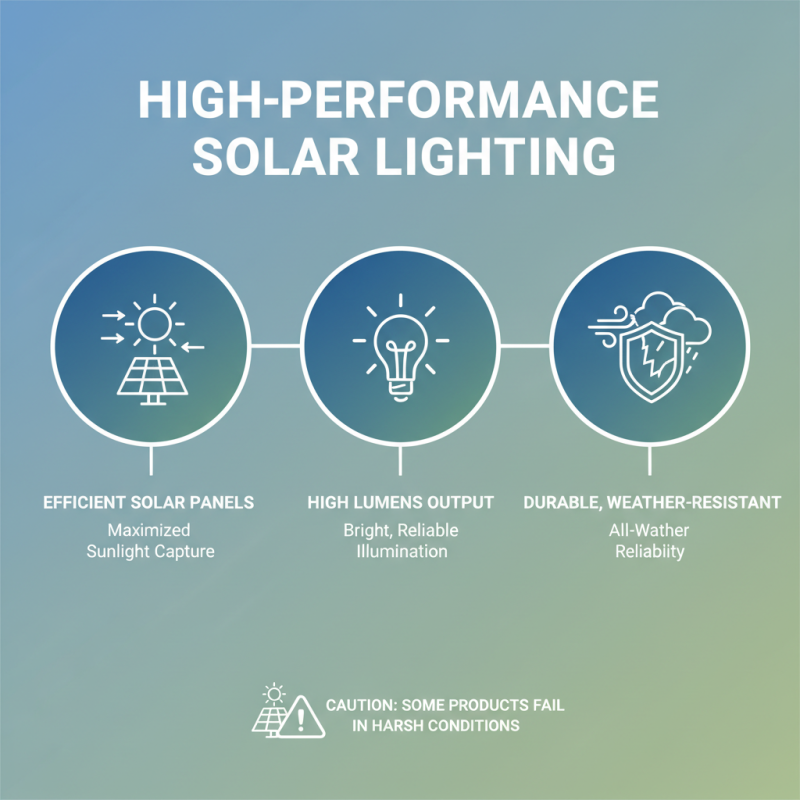
When considering solar lighting systems for outdoor use, high performance is essential. These systems should have efficient solar panels capable of capturing sunlight effectively. Look for models with high lumens output; this ensures bright, reliable illumination at night. Durability is another critical feature. Weather-resistant materials can withstand rain, snow, and wind. However, some products still struggle under harsh conditions.
Battery capacity is vital. A well-designed solar lighting system must have batteries that store energy efficiently. Without adequate capacity, lights may dim prematurely. It's frustrating when lights fail during peak usage hours. Moreover, adjustable settings can tailor brightness based on need. Some systems lack this flexibility, leaving users dissatisfied.
Installation should be straightforward. Complicated setups can deter many users. A balance between technology and simplicity is desirable. Lastly, consider the aesthetic appeal. Attractive designs enhance outdoor spaces. Unfortunately, some systems overlook this aspect, resulting in clunky looks. Thoughtful design improves user experience while meeting high performance standards.
Top Trends in Solar Lighting Technology for 2026
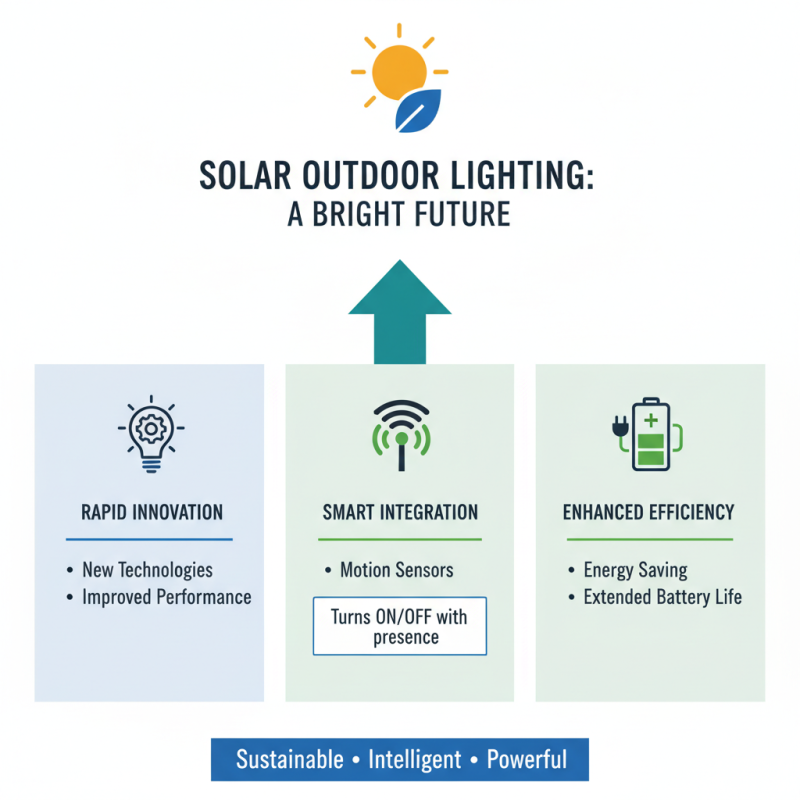
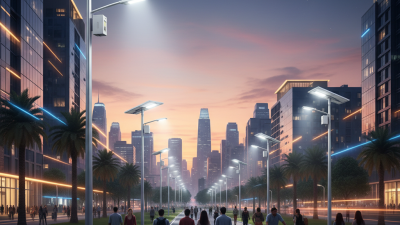
In 2026, solar lighting technology is evolving rapidly. An increasing focus is on energy efficiency and smart integration. Many systems now feature motion sensors. These sensors activate lights only when needed, saving power. This shift enhances safety while reducing energy costs. Cities are adopting these systems in parks and pathways.
Wireless connectivity is another significant trend. Many solar lights now connect to mobile apps. Users can control brightness and set timers easily. This creates convenient, customizable outdoor spaces. However, reliance on technology can lead to complications. Connectivity issues may disrupt usage during important times.
The design of solar lights is also changing. Sleek, modern aesthetics are becoming popular. They blend seamlessly into urban landscapes. Yet, some designs may not withstand harsh weather. This can lead to higher replacement rates. Balancing form and function remains a challenge for manufacturers.
Top Solar Lighting Systems for Sustainable Outdoors in 2026 - Top Trends in Solar Lighting Technology for 2026
| Lighting System Type |
Average Brightness (Lumens) |
Battery Life (Hours) |
Average Cost ($) |
Key Features |
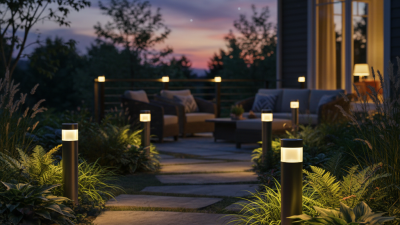
| Solar Pathway Lights |
100-300 |
10-12 |
30-60 |
Motion sensors, weather-resistant |
| Solar Flood Lights |
500-1000 |
12-15 |
100-200 |
Adjustable brightness, remote control |
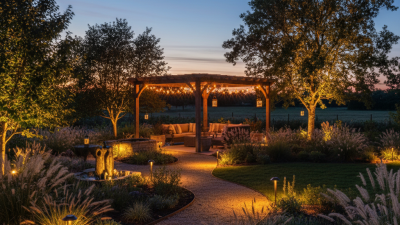
| Solar Garden Lights |
50-150 |
8-10 |
20-40 |
Decorative designs, color-changing options |
| Solar Street Lights |
300-800 |
15-20 |
200-300 |
Smart city integration, high power efficiency |
| Solar Lanterns |
50-100 |
6-8 |
15-35 |
Portable, USB charging option |
Comparative Analysis of Leading Solar Lighting Brands
As the world increasingly shifts towards sustainability, solar lighting systems are becoming essential for outdoor spaces. They offer an eco-friendly alternative to traditional lighting. However, not all solar lights are created equal. Factors such as brightness, battery life, and durability significantly impact their effectiveness.
When evaluating leading solar lighting options, attention to detail is critical. Some systems may boast impressive brightness but lack longevity in their battery performance. This can lead to disappointment, especially when relying on them for evening gatherings or safety. Others might have a solid build but underperform in terms of light output. Finding the perfect balance is not always straightforward; trial and error might be necessary.
Moreover, user feedback can be inconsistent. What works well for one setting may not suit another. It's important to consider the placement and intended use of these lights. Are they for ambient lighting, or do you need something more robust? Understanding these nuances can prevent oversights and ensure satisfaction with your solar lighting system.
Top Solar Lighting Systems for Sustainable Outdoors in 2026
This chart presents a comparative analysis of key performance indicators for various solar lighting systems expected to dominate the market in 2026. The metrics include efficiency, durability, price, brightness, and warranty, showcasing the advancements in sustainable outdoor lighting solutions.
Future Directions and Innovations in Solar Outdoor Lighting Solutions
The future of solar outdoor lighting is bright and promising. Innovations are emerging rapidly. Smart technology integration is becoming common. For instance, motion sensors can enhance energy efficiency. These systems turn on or off based on human presence. This not only saves power but also preserves battery life.
Design plays a critical role in 2026. Sleek, modern aesthetics can blend seamlessly into various environments. Solar lights can now come in different sizes and styles. This diversity allows them to fit parks, gardens, and streets alike. However, there's a challenge in balancing functionality with visual appeal. Designers should consider user needs while creating attractive solutions.
Battery technology is also evolving significantly. Advances in energy storage are crucial for nighttime performance. Longer-lasting batteries help reduce frequent replacements. Nonetheless, there’s room for improvement. Current options can still fall short in extreme weather conditions. This is a key area needing attention for future innovations.