Top 10 Solar Lighting Solutions for Sustainable Living?
As the world gravitates toward greener solutions, solar lighting emerges as a beacon for sustainable living. These innovative systems harness sunlight to power our outdoor and indoor spaces, significantly reducing energy consumption. Solar lighting not only cuts electricity costs but also minimizes environmental impact.
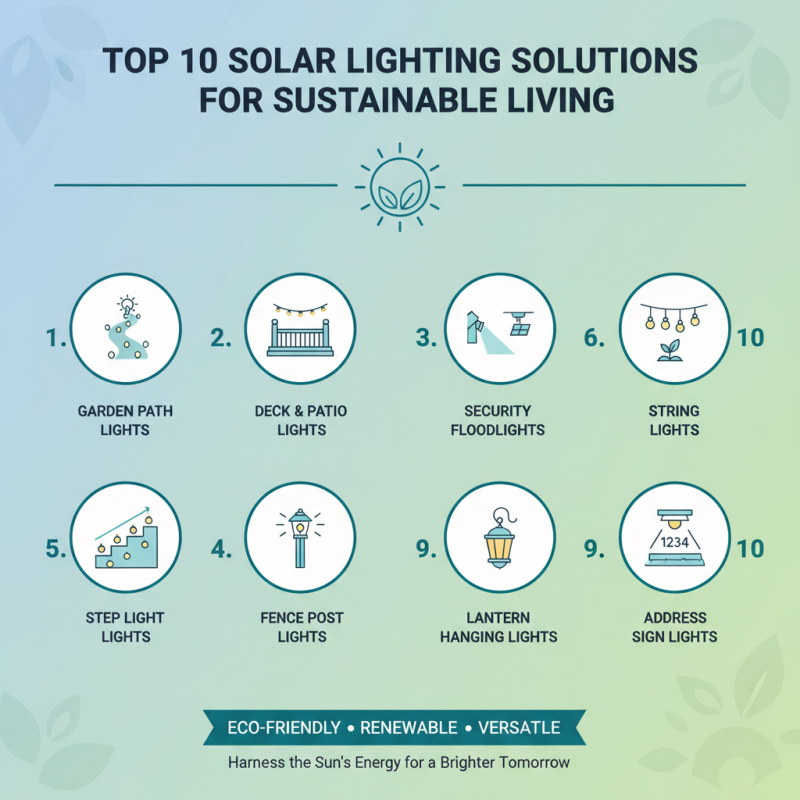
Exploring various solar lighting options reveals a spectrum of functionalities tailored to diverse needs. Consider pathways illuminated by efficient solar garden lights, or security features enhanced by motion sensor flood lights. The technology behind solar lighting continually evolves, driving improvements in efficiency and aesthetics. Each solution has strengths and limitations, demanding careful consideration before implementation.
Looking ahead, the adoption of solar lighting may not be universally accessible. Some regions face barriers like inadequate sunlight or high installation costs. Additionally, reliability can vary based on location and weather conditions. Thus, understanding both the advantages and challenges of solar lighting is crucial for anyone contemplating this sustainable alternative.
Top 10 Solar Lighting Solutions for Sustainable Living
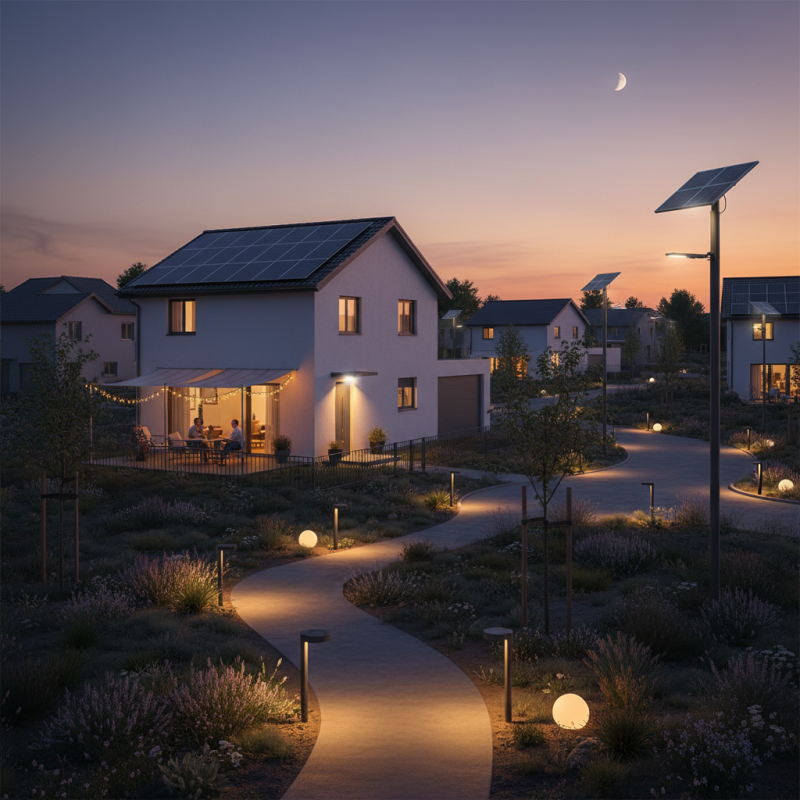
Solar lighting solutions offer an eco-friendly way to illuminate your surroundings. They harness the sun's energy, which is abundant and renewable. Many households opt for solar lights to enhance outdoor spaces. These lights are versatile and can serve various purposes, from garden paths to security.
When choosing a solar lighting system, consider the location. Sunlight exposure is crucial for efficiency. A shaded area may not provide the best results. Battery life and durability are also essential factors. Some options may last longer than others or withstand harsh weather. It’s wise to invest in quality products that you can rely on.
While solar lights can be environmentally friendly, they still require thoughtful integration into your lifestyle. Many users find that they sometimes underestimate the charging time. During cloudy days, performance may vary. Reflecting on these aspects can help in making informed decisions. Solar lighting can contribute to sustainable living, but practical challenges remain.
Understanding the Impact of Solar Lighting on Carbon Footprint Reduction
Solar lighting has emerged as a pivotal technology in reducing our carbon footprint. Research indicates that adopting solar energy can decrease carbon emissions by up to 80%. As more households utilize solar fixtures, the collective impact becomes substantial. For instance, a single solar lamp can prevent an estimated 1 ton of carbon dioxide from entering the atmosphere over its lifetime.
Solar lighting systems harness renewable energy, decreasing reliance on fossil fuels. This transition supports a cleaner environment and promotes sustainable living practices. According to a 2021 report by the International Renewable Energy Agency, solar adoption can lead to a global reduction of 4.4 gigatons of CO2 by 2040. This statistic emphasizes the urgency for communities to embrace solar lighting solutions.
Tip: Explore community solar programs. They allow shared access to solar energy, making it feasible for those who cannot install individual systems.
The challenge lies in the accessibility and initial costs of solar installations. Many people hesitate, unsure about the return on investment. Nevertheless, financial incentives and decreasing prices for solar technology make it more attainable. The U.S. Department of Energy reported that solar prices dropped over 70% in the last decade.
Tip: Consider energy efficiency when selecting solar products. The more efficient your system is, the greater your long-term savings and environmental benefits.
Comparative Analysis of Solar vs. Traditional Lighting Costs and Savings
Solar lighting solutions are becoming increasingly popular for sustainable living. A recent study by the U.S. Department of Energy indicates that solar lights can reduce energy costs by approximately 80%. This significant savings is achieved by utilizing solar energy to power outdoor lighting systems. Traditional lighting, on the other hand, tends to consume a lot of energy and contributes to higher electricity bills.
When comparing costs, solar lighting options may require a higher initial investment. However, the lifespan of solar lights often surpasses traditional ones. According to the Solar Energy Industries Association, solar lights can last up to 25 years with minimal maintenance, while traditional lights may need to be replaced every few years. Over time, this difference translates into substantial savings.
Tip: Look for solar lights with good warranties. It reflects the manufacturer’s confidence in their product. Also, consider the installation aspect. Solar lights typically do not require extensive wiring, making them easier to set up in various locations. Reflect on your options before making the switch; an informed decision can lead to better energy efficiency in your home.
Integration of Smart Technology in Solar Lighting Solutions for Homes
Smart technology is transforming solar lighting solutions, making them more efficient and user-friendly. With the global solar energy market projected to grow to $223 billion by 2026, smart integration is essential. Smart solar lights can be monitored and controlled through mobile applications. They allow homeowners to adjust brightness, set schedules, and even manage energy consumption remotely.
Recent studies indicate that homes with smart solar lighting can reduce energy usage by up to 30%. This reduction benefits both the environment and household budgets. Many smart solar systems also utilize sensors to detect motion. These features ensure that lights are only activated when needed. This technology enhances safety while conserving energy.
However, the integration of smart technology in solar solutions is not without its challenges. Connectivity issues can arise in remote areas. Not all smart solar products are compatible with existing smart home ecosystems. These inconsistencies can make installation and functionality difficult. It's crucial for consumers to research and select products that meet their needs effectively. Balancing convenience and reliability is vital for sustainable living.
Evaluation of Solar Lighting Efficiency Based on Industry Performance Metrics
Solar lighting solutions have gained significant traction in recent years. These systems promote energy efficiency and reduce carbon footprints. By harnessing sunlight, they transform public and private spaces. Efficiency metrics play a vital role in evaluating their effectiveness. Understanding these metrics is key for those considering solar options.
One important aspect is lumens per watt, which measures brightness generated per energy unit used. A higher value indicates better performance. Users often overlook the quality of solar panels and battery efficiency. These factors directly influence the durability and function of solar lighting. Real-world performance can vary widely from claims.
Solar lighting can falter in low sunlight areas. Users may notice diminished brightness during cloudy days or long winters. Regular maintenance is also essential. Dust and debris can block solar panels, reducing energy absorption. While solar lighting presents an appealing sustainable option, potential users must critically assess their environmental conditions and usage patterns.
Conclusion
The article "Top 10 Solar Lighting Solutions for Sustainable Living" explores various aspects of solar lighting, emphasizing its role in promoting sustainability. It highlights the positive impact of solar lighting on reducing carbon footprints, underscoring the importance of adopting eco-friendly solutions. A comparative analysis showcases the cost-effectiveness of solar lighting versus traditional alternatives, illustrating long-term savings.
Furthermore, the integration of smart technology in solar lighting systems is examined, demonstrating how modern innovations can enhance user experiences while maximizing energy efficiency. The evaluation of solar lighting efficiency based on industry performance metrics provides valuable insights into its effectiveness. Finally, future trends reveal emerging innovations that are set to shape the solar lighting landscape, reinforcing the significance of transitioning to sustainable energy solutions for residential applications.