2025 Top Solar LED Lights for Energy Efficiency and Outdoor Illumination
In recent years, the demand for sustainable energy solutions has surged, making solar LED lights a prominent choice for outdoor illumination. As cities strive to reduce their carbon footprint and enhance energy efficiency, the integration of solar LED lighting systems is becoming more commonplace. Leading industry expert Dr. Emily Parker, an advocate for renewable energy technologies, emphasizes, "Solar LED lights are not just a lighting solution; they represent a pivotal shift towards sustainable living."
The innovation in solar LED technology has made it more efficient and accessible than ever before. These lights harness the power of the sun, providing reliable illumination without increasing electricity bills. With advancements in battery storage and solar panel efficiency, users can now enjoy long-lasting, high-quality lighting in both residential and commercial settings.
As we explore the top solar LED lights of 2025, it is crucial to recognize their role in creating a more energy-efficient future. From gardens to public parks, these lights are illuminating pathways while contributing to a sustainable environment. With the right choices, we can not only enhance outdoor spaces but also actively participate in the global movement towards energy conservation.
Overview of Solar LED Lights and Their Benefits
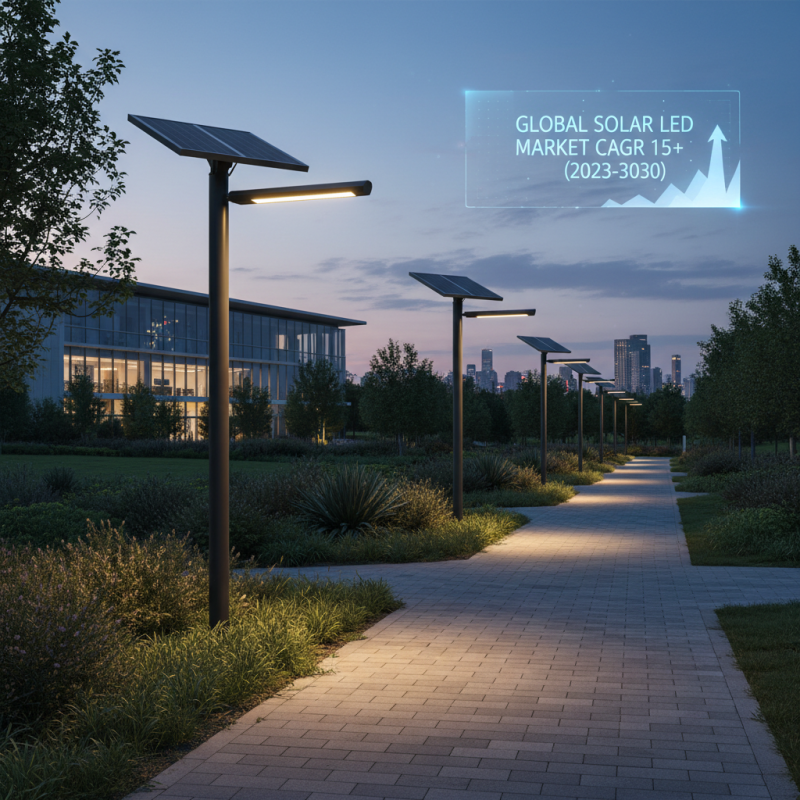
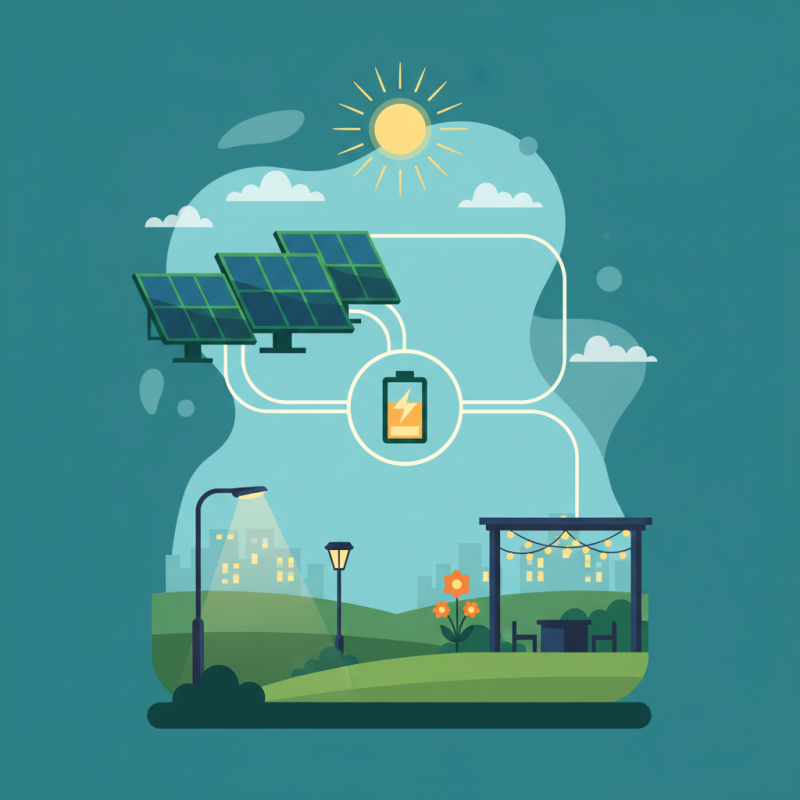
Solar LED lights have emerged as a significant innovation in the quest for energy efficiency and sustainable outdoor illumination. These lights are powered by solar energy, converting sunlight into electricity through photovoltaic cells, which means they operate independently of the electrical grid. Recent studies estimate that the global solar LED lighting market is expected to grow at a compound annual growth rate (CAGR) of over 15% from 2023 to 2030, underscoring a rising preference for eco-friendly lighting solutions.
The benefits of solar LED lights are manifold. Not only do they help reduce energy costs—users can save up to 80% on their electricity bills compared to traditional lighting—but they also contribute to lower carbon emissions. According to a report by the International Energy Agency, transitioning to solar-powered lighting can significantly mitigate the reliance on fossil fuels, leading to a decrease in greenhouse gas emissions by an estimated 2 billion tons by 2030. Furthermore, these lights are designed for durability and can withstand various weather conditions, making them ideal for outdoor applications such as parks, pathways, and residential gardens, thereby enhancing safety and visibility at night.
Comparison of Energy Efficiency in Solar LED Lights
As the demand for sustainable lighting solutions grows, solar LED lights have emerged as a preferred option for outdoor illumination. Their energy efficiency is largely attributed to the integration of photovoltaic technology and LED systems. According to a report by the National Renewable Energy Laboratory, solar LED lights can reduce energy consumption by up to 90% compared to traditional electric lighting. This significant reduction is especially crucial for homeowners and businesses looking to minimize their carbon footprints while maximizing utility savings.
The efficiency of solar LED lights is primarily determined by several factors, including the quality of solar cells, battery capacity, and LED brightness. Studies indicate that higher-efficiency solar panels, often rated around 22% efficiency, can charge batteries more effectively, even in low-light conditions. Additionally, advancements in LED technology have led to luminous efficacy values surpassing 150 lumens per watt, providing brighter illumination while consuming less energy. As a result, these products not only enhance outdoor safety but also contribute to long-term energy savings, making them a smart investment for eco-conscious consumers.
Top Features to Look for in Solar LED Lights
When selecting solar LED lights for energy efficiency and outdoor illumination, there are several key features to consider. First and foremost, the brightness of the lights, typically measured in lumens, is crucial. Higher lumen ratings will ensure adequate visibility for pathways, gardens, or security areas during nighttime, enhancing both functionality and safety. Moreover, the color temperature of the LED bulbs can create different atmospheric effects; warmer tones can create a cozy ambiance, while cooler tones tend to be more energizing and vibrant.
Another important aspect is the solar panel efficiency and battery capacity. Look for models equipped with high-efficiency solar panels that maximize sunlight absorption, ensuring that the lights operate effectively even during cloudy days. The type of battery used also plays a significant role in runtime—lithium-ion batteries generally provide longer-lasting energy storage compared to traditional ni-cad options. Additionally, consider features such as adjustable settings for brightness and motion sensors, which enhance convenience and energy savings by ensuring lights only activate when needed.
This combination of features will ensure that you choose solar LED lights that offer both reliability and efficiency for your outdoor spaces.
Best-Selling Solar LED Lights of 2025
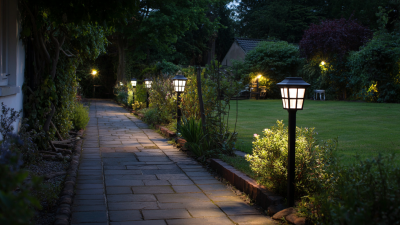
As we look ahead to 2025, solar LED lights are rapidly becoming a popular choice for energy efficiency and outdoor illumination. These lights not only harness the power of the sun for a sustainable energy source, but they also offer vibrant lighting solutions suitable for various outdoor settings. From garden pathways to patio areas, the best-selling solar LED lights are designed to meet the diverse needs of homeowners while minimizing electricity costs and environmental impact.
The advancements in solar technology have greatly improved the performance and durability of these lights. Many models now feature brighter LEDs and efficient solar panels, allowing for longer-lasting illumination during nighttime hours. Additionally, the integration of automatic sensors ensures lights are activated only when needed, further enhancing energy savings. A wide range of styles and designs is available, catering to both aesthetics and functionality, which has contributed to the increasing demand and sales of solar LED lights in 2025. This trend reflects a growing recognition of the importance of sustainable living and the benefits of energy-efficient solutions.
2025 Top Solar LED Lights for Energy Efficiency and Outdoor Illumination
| Model |
Lumens |
Battery Life (Hours) |
Solar Panel Size (W) |
Price (USD) |
| Solar Garden Light A |
800 |
12 |
5 |
45.99 |
| Solar Pathway Light B |
600 |
10 |
4 |
39.99 |
| Solar Flood Light C |
1200 |
15 |
10 |
89.99 |
| Solar Wall Light D |
500 |
8 |
3 |
29.99 |
| Solar Security Light E |
1000 |
20 |
8 |
59.99 |
Installation and Maintenance Tips for Solar LED Lights
Installing solar LED lights effectively can significantly enhance
energy efficiency and outdoor illumination. According to the U.S. Department of Energy, LED lighting can reduce energy consumption by up to 75%
compared to traditional incandescent bulbs. When installing solar LED lights, it's essential to choose locations
that receive adequate sunlight throughout the day. Ideally, the lights should be placed in areas where they can
absorb direct sunlight for at least six hours. This maximizes their battery charge, ensuring they operate
efficiently during the night.
Maintenance of solar LED lights is relatively low-cost and straightforward, but certain best practices can enhance their longevity and performance.
Regularly inspect the solar panels for dirt or debris that can hinder sunlight absorption. Cleaning them with
a damp cloth can improve their efficiency by up to 20%, as noted in findings
from the Solar Energy Industries Association. Additionally, checking the battery and replacing it every
2-3 years can sustain optimal brightness levels. Proper maintenance not only
extends the life of the solar LED lights but also ensures continued energy savings and effective outdoor illumination.