Top Solar Applications for 2026 What You Need to Know
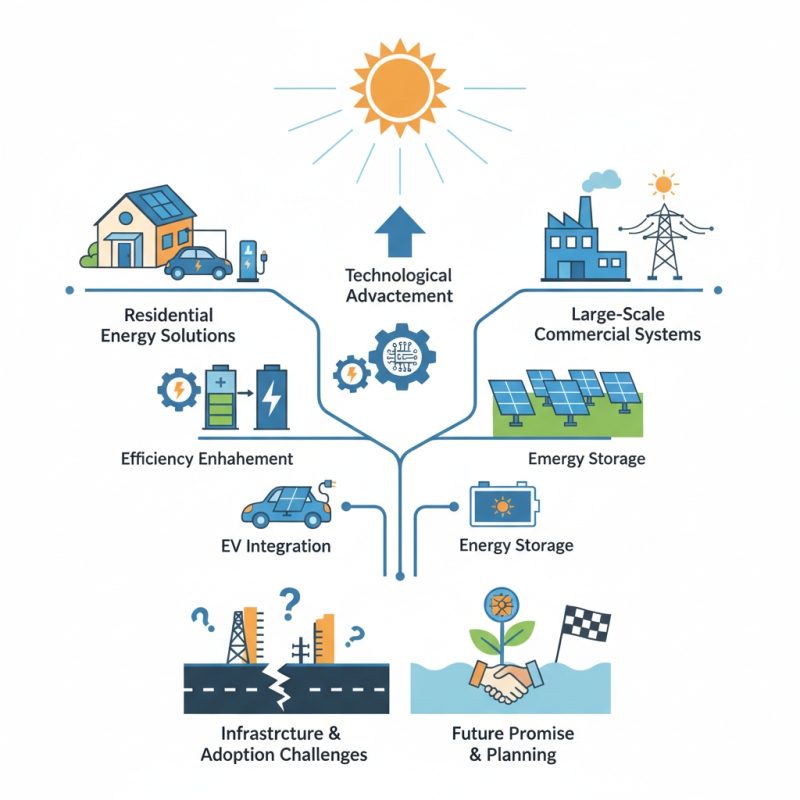
As we approach 2026, the landscape of Solar Applications is rapidly evolving. Solar technology continues to advance, presenting new opportunities for various sectors. These applications range from residential energy solutions to large-scale commercial systems.
Experts predict that innovative solar applications will enhance efficiency. The integration of solar power into electric vehicles is gaining traction. Furthermore, energy storage solutions are becoming essential for maximizing solar benefits.
However, challenges remain in infrastructure and adoption rates. Not all regions are ready to embrace these advancements. Understanding these factors is crucial for stakeholders. The future of solar applications holds promise, but careful planning is necessary to overcome potential barriers.
Overview of Solar Energy Trends Leading to 2026
As the global shift towards renewable energy continues, solar power applications are rapidly evolving. By 2026, the solar industry is projected to grow by 20%, according to the International Energy Agency (IEA). This surge is driven by increasing energy demands and advancements in solar technology.
Residential solar installations will see significant growth. Homeowners are increasingly adopting solar panels, with installations expected to double by 2026. Data from the Solar Energy Industries Association indicates that residential systems dominate new capacity additions. However, challenges remain, particularly in energy storage. Current battery technologies can limit efficiency during peak demand times.
In commercial and industrial sectors, solar energy is becoming a staple. Large-scale solar farms are projected to contribute 50% of total solar capacity by 2026. Sufficient land and regulatory hurdles are important considerations. However, the reduction in costs, by nearly 30% since 2020, makes solar viable. These trends signal a promising future, yet the industry must address technical and logistical challenges to achieve this growth.
Key Innovations in Solar Technology Expected for 2026
As we approach 2026, solar technology is set to experience significant advancements. Innovations in photovoltaic cells are leading to higher efficiency rates. New materials, such as perovskites, are gaining attention. These materials promise to capture more sunlight than traditional silicon cells.
Energy storage solutions must also evolve. Improved battery technologies will enhance how we store solar energy. This means greater reliability for power supply during non-sunny days. However, challenges remain in efficiency and cost-effectiveness for widespread adoption.
Furthermore, integrating solar applications into infrastructure is a key focus. Building-integrated photovoltaics (BIPV) will become more common. Imagine rooftops that generate power without taking up extra space. These developments necessitate collaboration among engineers and architects. Addressing the barriers in scalability will be essential for realizing these visions. Balancing innovation with practicality remains a crucial goal in the solar industry.
Emerging Applications of Solar Energy in Residential Settings
As solar technology continues to evolve, residential applications are becoming increasingly vital. A recent report by the International Energy Agency (IEA) revealed that the residential sector accounted for nearly 30% of global solar energy installations in 2022. This trend is set to rise, with projections suggesting that by 2026, this figure could reach 50%. Homeowners are embracing solar panels not only for their environmental benefits but also for long-term savings on energy bills.
Emerging solar technologies are also enhancing the residential landscape. Solar roofs, for instance, integrate photovoltaic cells directly into the roof tiles, offering a sleek alternative to traditional panels. According to a study by Navigant Research, solar roof installations are expected to grow by 40% annually until 2026. However, challenges remain, such as high upfront costs and potential inefficiencies in regions with less sunlight. It's crucial for potential users to weigh these factors seriously before making a decision.
Battery storage is another aspect gaining traction in residential settings. The global market for solar battery storage systems is projected to reach $15 billion by 2026, as noted in a report by Grand View Research. These systems allow homeowners to store excess energy generated during the day for use at night. Yet, the technology is still developing, and homeowners should consider the lifespan and maintenance of these batteries. As with any investment, thorough research is key.
Top Solar Applications for 2026
This chart presents the projected growth of various solar applications in residential settings by 2026. The data reflects the anticipated market share percentage for each application based on the increasing adoption of solar technology.
Commercial and Industrial Solar Solutions Gaining Momentum
The rise of commercial and industrial solar solutions is notable. Many companies are recognizing the financial benefits of adopting solar energy. By 2026, these solutions will likely dominate the market. Businesses can reduce energy bills and lower their carbon footprints. This shift reflects a broader commitment to sustainability in the corporate world.
However, the transition is not without challenges. Some companies may face high upfront costs. Others might struggle with integrating solar into existing systems. These issues require careful planning and expertise. Finding the right installation partners can also be daunting. Despite these hurdles, the long-term benefits often outweigh the initial struggles.
The importance of regulation cannot be overlooked. Companies must navigate local laws and incentives. This can be complex and varies widely. Understanding these aspects is crucial for successful solar implementation. In the end, businesses that adapt now will enjoy greater resilience in the energy landscape. Solar solutions hold the key to a sustainable future, but challenges remain for those willing to embrace this change.
Government Policies and Incentives Shaping Solar Adoption by 2026
Government policies are shaping the solar industry significantly as we approach 2026. Various countries are implementing frameworks to encourage solar energy adoption. According to the International Renewable Energy Agency (IRENA), national incentives have driven a remarkable 20% increase in solar installations globally between 2021 and 2023. Such policies often include tax credits, grants, and feed-in tariffs. These initiatives make solar more appealing for residential and commercial users.
Additionally, the U.S. government has proposed an investments plan targeting clean energy. By 2026, this plan aims to achieve a goal of 80% clean electricity. A report by the Solar Energy Industries Association indicates that incentives could lead to over 120 gigawatts of new solar capacity. While these measures are promising, some drawbacks exist. The availability of funding may fluctuate based on political priorities. Furthermore, public awareness and understanding of solar technology need substantial improvement to drive broader adoption.