Top LCD Display Types for Global Buyers in 2026?
As the demand for LCD Displays continues to grow, understanding the best options for 2026 becomes crucial. Industry expert Dr. Sarah Ha, a leading figure in display technology, notes, “The evolution of LCD displays directly impacts consumer choices.” This statement reflects the dynamic nature of the display market, where innovation is ceaseless.
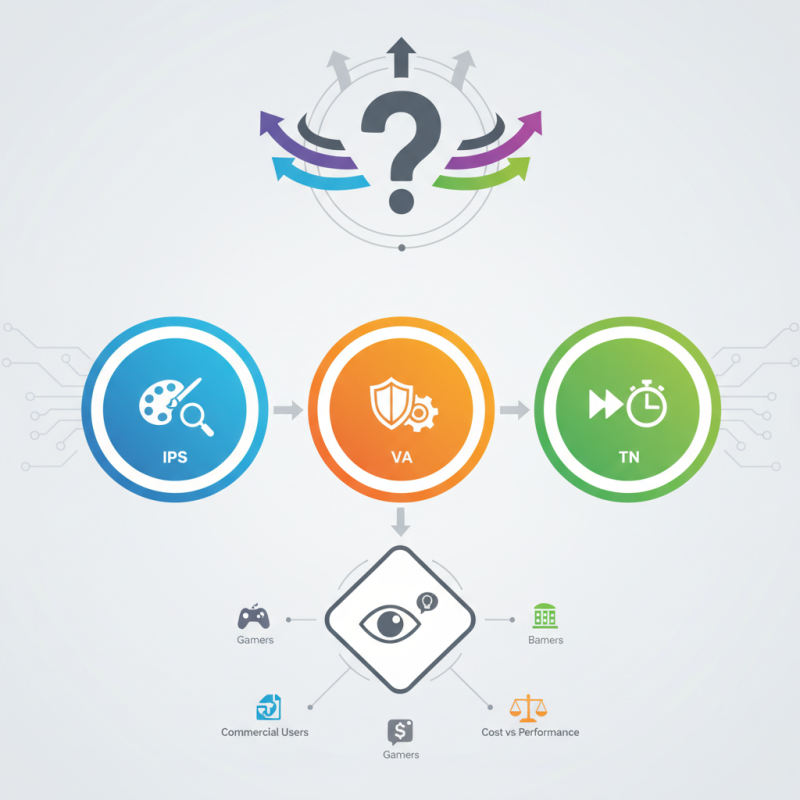
In recent years, various LCD types have emerged, each catering to specific needs. Buyers are now faced with choices like IPS, VA, and TN panels. Each type offers unique advantages, such as better color accuracy or faster response times. However, selecting the right display is often overwhelming. Balancing performance with cost requires thoughtful consideration.
Evaluating these options involves more than just technical specifications. Users must reflect on their needs and environments. For instance, commercial users may prioritize durability, while gamers might focus on refresh rates. As the landscape evolves, staying informed about advancements in LCD technology is vital. The right choice can enhance user experience significantly.
Top LCD Display Technologies in 2026: A Comprehensive Overview
The market for LCD displays is rapidly changing. In 2026, advanced technologies play a critical role. Research indicates that the global LCD market is set to reach $100 billion. The demand for high-resolution displays is driving innovation. Technologies such as In-Cell Touch and Mini LED are gaining traction. These innovations enhance display quality. They offer improved contrast and brightness.
Another significant trend is the rise of flexible displays. Flexible LCDs enable new applications in various sectors. Reports show that this segment is expected to grow by 25% annually. However, manufacturers face challenges in cost and production scalability. Moreover, sustainability concerns loom large. The industry must address these issues for future growth. A focus on environmentally friendly materials is essential.
According to recent data, user preferences are shifting towards immersive experiences. As a result, high refresh rates and low power consumption are critical. The emphasis on energy efficiency cannot be ignored. Solutions that address both performance and sustainability will lead the market. Buyers increasingly seek displays with enhanced functionalities. Adapting to such trends will define success in the upcoming years.
Comparative Analysis of LCD Display Types for Global Market Needs
In 2026, the demand for diverse LCD display types will rise significantly. Understanding the unique features and applications of each type is essential for buyers. Not all displays are created equal. For instance, TN panels are known for their fast response times, making them popular for gaming. VA panels offer better contrast, ideal for watching movies. IPS displays are favored for color accuracy, especially in professional settings.
One tip for buyers is to prioritize their specific needs. If you need vibrant colors for graphic design, consider investing in an IPS panel. Alternatively, if budget and speed are your main concerns, a TN panel may suffice. It's crucial to evaluate how you plan to use the display.
Another aspect to reflect on is the future-proofing of your purchase. Technology evolves rapidly; what’s top-notch today may become obsolete tomorrow. Assessing the longevity of the technology is vital. Stay informed about advancements in LCD technology. This way, you can make a more educated choice that aligns with future trends.
Factors Influencing LCD Display Choices in Consumer Electronics
When considering LCD displays, several factors play a vital role in consumer electronics. Brightness and contrast are crucial for clarity. A higher resolution often leads to better image quality. Users are keen on display size as well. Larger screens can enhance the viewing experience significantly.
Tips: Check the display specifications before making a purchase. Look for the right balance between size and resolution. Smaller screens can sometimes provide surprisingly good quality.
Viewing angles also matter. Some displays have limited angles, affecting image quality when viewed from different sides. Color reproduction is another front where displays can vary. A good display replicates colors accurately, which is vital for design professionals.
Tips: Make sure to read reviews about color accuracy. Test the display at different angles if possible. Remember, not all displays are created equal. What works for one person might not work for another. Reflection on individual needs is key.
Future Trends in LCD Display Innovations and Their Impact
The future of LCD display technology is promising, with several trends shaping innovations. One significant advancement is the focus on energy efficiency. As sustainability becomes crucial, manufacturers are exploring ways to reduce power consumption. This shift not only meets consumer demand for eco-friendly products but also lowers operational costs for businesses.
Another trend is the enhancement of display resolutions. With the rise of high-definition content, the demand for sharper images is growing. Innovations in pixel technology and panel quality are crucial. This improvement will elevate user experiences in various fields, including gaming, broadcasting, and professional design.
Despite these advancements, challenges remain. The development of flexible displays, while exciting, has durability concerns. Manufacturers must ensure these designs can withstand daily use without compromising quality. Additionally, the high costs of cutting-edge technology may limit accessibility for some users. Balancing innovation with affordability will be essential for widespread adoption in 2026 and beyond.
Top LCD Display Types for Global Buyers in 2026
Market Insights: Pricing and Availability of LCD Displays in 2026
The LCD display market is expected to undergo significant changes by 2026. According to a recent industry analysis, the global demand for LCD displays is anticipated to grow around 4.7% annually. This rise is driven by advances in technology and a broader range of applications in various sectors. The pricing dynamics of LCD displays are equally fascinating. The average selling price (ASP) has shown a declining trend due to increased competition and technological improvements. In 2026, experts predict that the ASP could drop by approximately 10% compared to 2025 rates.
Availability remains a critical factor. Supply chain disruptions in recent years have affected many industries. Despite these challenges, key players are investing in better logistics and production capabilities. This has led to increased availability in emerging markets. However, potential risks still lie ahead. Geopolitical tensions and global semiconductor shortages could hinder consistent supply. Stakeholders must stay alert and adapt their strategies accordingly.
Market insights suggest that innovation is key for buyers. Features like energy efficiency and high-resolution capabilities will be priorities. Buyers should remain cautious, as quality may vary widely among manufacturers. Ultimately, keeping an eye on market trends will help in making informed decisions.
Top LCD Display Types for Global Buyers in 2026
| Display Type | Resolution | Price Range (USD) | Availability |
| IPS LCD | 1920 x 1080 | 150 - 300 | Widely Available |
| VA LCD | 2560 x 1440 | 200 - 400 | Available in Most Markets |
| TN LCD | 1280 x 720 | 100 - 200 | Limited Availability |
| OLED LCD | 3840 x 2160 | 300 - 600 | High Demand |
| Mini LED LCD | 3840 x 2160 | 450 - 900 | Growing Availability |
