Top Botanical Garden Light Show Suppliers in 2026

A botanical garden light show can turn familiar paths into a memorable evening destination. Visitors may follow illuminated tree canopies, pause beside glowing ponds, or discover soft color along a winding trail. Behind that experience, careful planning matters. The right supplier must understand both visual storytelling and the practical needs of a living garden.

This 2026 guide explores suppliers that create and deliver botanical garden light show projects, from custom lanterns to coordinated lighting installations. It considers design capability, material quality, weather readiness, installation support, and communication. These details affect more than appearance. They can shape visitor flow, maintenance needs, and how well the display fits its setting. Small things count.

A polished portfolio is useful, but it is not enough. Buyers should ask how a supplier protects plants, manages cables, tests equipment, and responds when weather changes. Request clear project schedules and examples from comparable sites. Then check what happens after opening night. Support can vary. So can the fine print.

No single supplier suits every garden. A compact conservatory may need delicate, low-impact displays, while a large public site may require robust equipment and careful crowd planning. This overview offers a practical starting point, not a guarantee of results. Some differences only become obvious on site. That deserves a closer look.
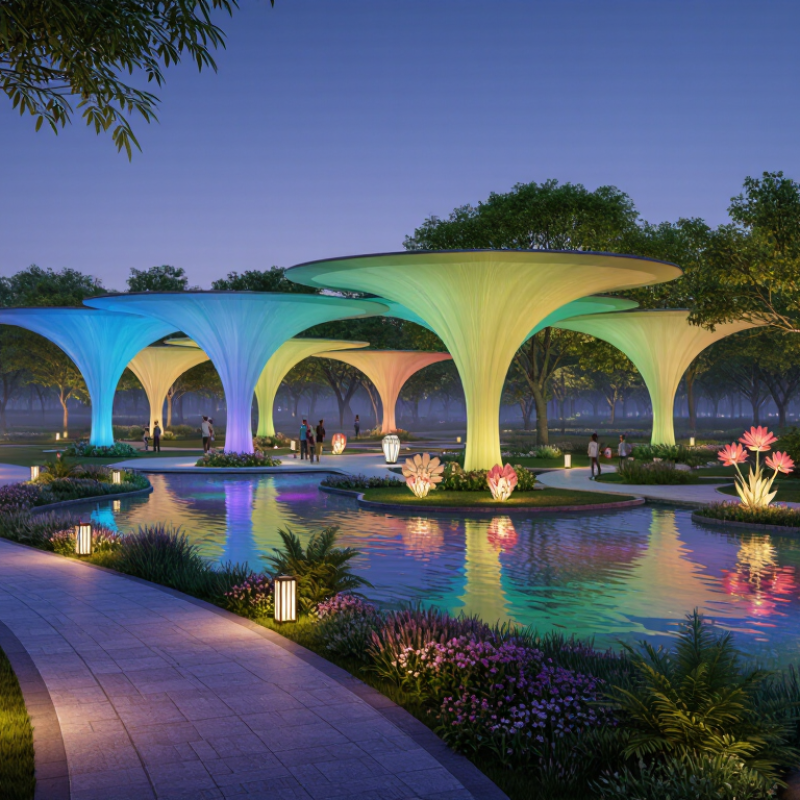
Top Botanical Garden Light Show Suppliers in 2026

Botanical Garden Light Shows: Purpose, Formats, and Seasonal Uses

Botanical Garden Light Shows: Purpose, Formats, and Seasonal Uses

Botanical garden light shows can extend visiting hours and reveal familiar landscapes in a new way. Their purpose is not simply to make every tree glow. Thoughtful lighting can guide visitors, highlight plant forms, and create a seasonal reason to return. A quiet pond, for example, may need only soft reflections and a clear path nearby.

Common formats include illuminated walking trails, lantern displays, projected scenes, and timed light-and-sound presentations. Each format needs a different site plan. Projection requires a suitable surface, while trail lighting needs careful spacing to avoid glare and dark gaps. Garden teams should also consider cable routes, weather exposure, maintenance access, and visitor flow. It is easy to over-light a space. More brightness does not always mean a better experience.

Seasonal themes work best when they suit the garden’s plants and local conditions. Spring displays might echo new growth; autumn installations can use warm colors among changing leaves. Winter shows need reliable footing and lighting near steps. Tips: Walk the route after dark before approving a design. Check sightlines from seated areas, and leave some spaces intentionally dim. A perfect plan on paper may still feel crowded outdoors.

Key Technologies Behind Modern Garden Light Displays

Modern botanical garden light displays depend on coordinated control, not simply brighter fixtures. Dimmable LED luminaires can shift color gently across a path, a tree trunk, or a pond edge. Pixel-mapped controllers address individual lights, creating slow waves through a canopy instead of one uniform flash. Timing matters. DMX and network-based protocols carry cues between controllers and fixtures, while careful addressing keeps neighboring scenes from changing together.

Hardware choices matter outdoors. Weather-rated connectors, sealed enclosures, and properly sized cable runs help reduce moisture problems and voltage drop. Installers should test the complete route, especially where cables cross long paths or sit near irrigation. A display may look flawless during a dry afternoon test and behave differently after rain. That is easy to overlook.

Sensors can adjust brightness as ambient light changes, and motion triggers can make a woodland path feel responsive. Projection mapping adds detail to trunks or garden structures, but uneven bark can distort images. Operators need to check sightlines from visitor paths, not just from the control desk. More effects are not always better; quiet, well-timed transitions often let plants remain the focus. A little darkness helps.

How to Evaluate Botanical Garden Light Show Suppliers in 2026

How to Evaluate Botanical Garden Light Show Suppliers in 2026

A capable supplier should understand both lighting design and the needs of living landscapes. Ask how installations protect roots, avoid compacting soil, and keep paths clear for visitors. Request a sample site plan showing cable routes, fixture positions, access points, and equipment storage. The proposal should also explain weather contingencies, installation timing, maintenance response, and removal procedures. Specific answers matter more than impressive renderings.

Tips: Ask for references from gardens with similar terrain and visitor numbers. Request a lighting demonstration after dusk, if practical. Check who handles repairs during busy evenings, and get response times in writing.

Evaluate the team’s process, not just its finished images. Ask who will be on site, how changes are approved, and how brightness is checked from nearby paths. A polished proposal can still overlook a narrow gate or sensitive planting bed. That is worth questioning. Compare itemized costs, exclusions, and equipment reuse plans before deciding. Also consider whether the show feels calm beside delicate collections, rather than simply bright. No plan is perfect; a supplier willing to discuss trade-offs and revise details may be more dependable than one promising flawless results.

How to Evaluate Botanical Garden Light Show Suppliers in 2026

Suggested evaluation score weights for comparing proposals—not market-survey results.

Score each supplier against the same criteria and request evidence such as safety documentation, design samples, installation plans, equipment specifications, and service terms. The suggested weights total 100%; adjust them to reflect your site and project priorities.

Leading Supplier Types and Their Specialized Services

Botanical garden light shows rely on several supplier types, each with a different specialty. Design-build lighting integrators survey paths, trees, power access, and sightlines before proposing a layout. Their crews typically handle installation, controls, and on-site adjustments. A useful plan marks cable routes clearly and keeps emergency access open. Details matter.

Horticultural lighting consultants focus on the plants themselves. They can flag sensitive species, recommend fixture placement, and help limit heat or prolonged exposure near delicate foliage. Their advice is especially useful around glasshouses and mature specimen trees. Still, plant responses vary by species and season, so a single lighting rule rarely fits every garden.

Projection and scenic-fabrication suppliers create illuminated features, mapped displays, and temporary structures. Event production teams may coordinate schedules, crowd flow, weather contingencies, and overnight maintenance. Ask each supplier for drawings, equipment specifications, staffing plans, and examples from comparable outdoor sites. A practical discussion should also cover repair response times and how equipment will be removed without damaging beds or paths. The trade-offs can be awkward: brighter effects may photograph well but compete with subtle planting, while restrained lighting may feel less dramatic. Not always an easy choice.

Planning, Installing, and Maintaining a Garden Light Show

Top Botanical Garden Light Show Suppliers in 2026

Planning a garden light show starts with a site walk after sunset. Note dark paths, wet ground, tree roots, and nearby homes. Mark cable routes before installation, and keep connectors raised above puddle-prone areas. Test it at dusk. A daytime check can miss glare and awkward shadows.

Choose fixtures and controls around the garden’s actual needs, not a dramatic render. The U.S. Department of Energy’s Energy Saver guidance says LEDs use up to 90% less energy and last up to 25 times longer than traditional incandescent bulbs. That comparison is useful, but it does not predict a complete show’s power use; calculate the connected load and confirm circuit capacity. Use dimming and timers to reduce unnecessary operating hours. Aim beams at plants, not visitors’ eyes or bedroom windows.

We often over-light the first mock-up. It feels safer, but it can flatten leaf texture and wash out color. Walk the route with the show running, then adjust brightness and spacing. Leave access to junctions and control equipment for maintenance. After rain or strong wind, inspect connections, supports, and cable paths; schedule routine checks throughout the season. Small details matter. One neglected connector can darken an entire section.

Top Botanical Garden Light Show Suppliers in 2026 - Planning, Installing, and Maintaining a Garden Light Show
Supplier Category Planning Scope Installation Scope Maintenance Support Key Requirements to Verify Best Fit
Turnkey Light-Show Producer Develops the visitor route, lighting concept, show schedule, power plan, and installation sequence. May coordinate lighting, control systems, cabling, and on-site commissioning through specialist teams. Can provide event-period troubleshooting, replacement equipment, and post-show removal. Confirm which services are in-house, who holds responsibility for electrical work, and what is included in the service agreement. Gardens seeking one lead contractor to coordinate a multi-area seasonal production.
Architectural and Landscape Lighting Contractor Assesses paths, planting beds, trees, sightlines, mounting locations, and light spill near sensitive areas. Installs and aims landscape luminaires, control equipment, and outdoor-rated connections according to the project design. Can inspect fixtures, connections, aiming, and controls; service frequency should be agreed for the event period. Check experience with temporary events, outdoor electrical installations, plant protection, and the applicable local electrical code. Projects focused on illuminating garden features, paths, and structures.
Event Production and Technical Supplier Plans show timing, control positions, audio-visual coordination, equipment logistics, and event-day operations. Typically handles temporary equipment deployment, control setup, testing, and strike at the end of the event. May provide technicians during public hours and support for control or equipment faults. Verify equipment ownership or rental terms, backup provisions, technician coverage, and safe cable routing. Timed shows, projections, synchronized effects, or productions with several technical systems.
Lighting Equipment Rental and Support Provider Helps match available fixtures, power supplies, controls, and accessories to the design and operating period. May deliver equipment or provide setup support; installation responsibility varies by contract. Replacement equipment and technical assistance may be available under the rental agreement. Check outdoor suitability, connector compatibility, return conditions, spare-equipment availability, and who is authorized to install the equipment. Short-run displays or projects that need temporary equipment rather than permanent assets.
Electrical Contractor Reviews electrical loads, distribution, circuit protection, cable routes, and connection locations. Performs electrical installation and testing within the scope permitted by local regulations and qualifications. Can inspect electrical distribution, connections, and protective devices during operation. Confirm licensing requirements, inspection responsibilities, load calculations, and protection appropriate to the site and weather exposure. Any installation requiring new, modified, or temporary electrical distribution.
Garden Operations and Horticulture Team Identifies sensitive planting, wildlife considerations, irrigation schedules, access limits, and visitor-flow constraints. Coordinates access and installation zones to reduce disturbance to plants, soil, paths, and routine garden work. Monitors plant and site impacts, reports damage or hazards, and coordinates access for repairs. Agree on protected areas, work hours, irrigation changes, emergency access, and a process for reporting horticultural impacts. Botanical gardens where plant health, conservation, and daily operations must be integrated into show planning.
Supplier categories are comparison profiles, not named or ranked companies. Scope, staffing, equipment, and service levels vary by contract and location. Confirm site conditions, local codes, weather ratings, plant-protection measures, and maintenance responsibilities before procurement.
Go to Top