Robot Lithium Battery Tips for Safe and Efficient Use?
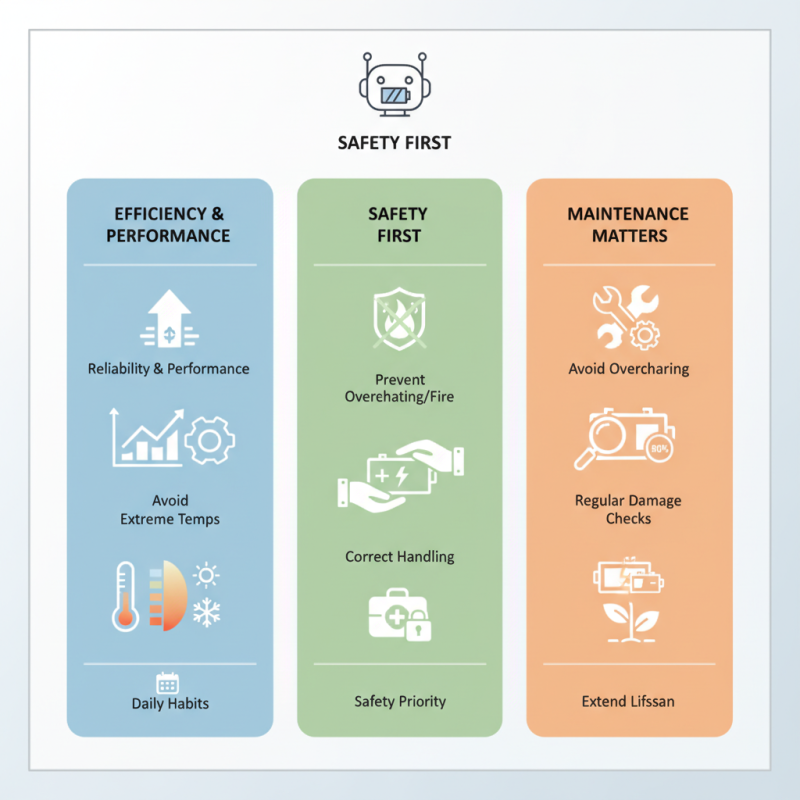
Robots are becoming essential in various industries, and the lithium battery powering them is crucial. According to Dr. Emily Carter, an expert in the field, “The reliability of the robot lithium battery determines the machine’s overall performance.” Proper care and usage of these batteries can enhance efficiency.
When using a robot lithium battery, safety should be a priority. Incorrect handling can lead to overheating or, in rare cases, fires. It’s important to keep these batteries away from extreme temperatures. Simple changes in daily habits can make a significant difference in battery life.
However, users often underestimate the importance of maintenance. Overcharging is a common mistake. This can shorten the battery's lifespan. Additionally, many forget to regularly check for damage. These oversights can lead to bigger issues later. A little attention can lead to much safer and effective operations.
Understanding Lithium Batteries in Robotics
Lithium batteries power many robots today. These batteries are known for their high energy density and efficiency. However, understanding their chemistry is crucial for safe use. In robotics, improper handling can lead to overheating or even fires. This risk necessitates proper storage and management practices.
When using lithium batteries, avoid extreme temperatures. Exposure to heat can degrade performance and safety. Cold can reduce the battery’s efficiency. Charging them in a controlled environment is essential. Always use suitable chargers to avoid overcharging. Overcharging can lead to ballooning and leaks, a serious hazard that must be avoided.
Monitoring battery health is vital. Regularly check for any signs of damage or swelling. A damaged battery should be handled with caution. Proper disposal is critical to prevent environmental harm. Some people overlook this step. This neglect can have lasting consequences, not just for safety but for the planet as well. Adopting safe practices ensures both the longevity of the battery and the efficiency of the robot.
Robot Lithium Battery Tips for Safe and Efficient Use
| Tip | Description | Importance |
| Avoid Overcharging | Ensure the charging system has a cutoff to prevent damage. | Prevents battery swelling and extension of battery life. |
| Temperature Management | Keep batteries within a safe operating temperature range. | Enhances performance and safety, reduces the risk of thermal runaway. |
| Regular Maintenance | Inspect batteries for damage and maintain cleanliness. | Improves reliability and efficiency. |
| Use Quality Chargers | Select chargers that are compatible and of high quality. | Reduces risk of battery failure and hazards. |
| Proper Storage | Store batteries in a cool, dry place when not in use. | Prevents degradation and extends shelf life. |
Key Safety Precautions for Lithium Battery Use
Lithium batteries are essential for powering robots, but they come with risks. Proper handling is crucial. Always check for damage before use. Frayed wires or bulging casings can lead to serious issues. Avoid exposing batteries to extreme temperatures. Too much heat or cold can reduce their performance and lifespan.
Charging batteries requires attention. Use a compatible charger. Overcharging can be dangerous. It increases the risk of overheating or even explosion. Make sure to charge in a safe environment. Keep the area dry and free from flammable materials. Always supervise the charging process, especially during the first few uses.
Storage is another key aspect. Store lithium batteries in a cool, dry place. Avoid leaving them in a hot car or by a heater. Check battery levels regularly. Storing a nearly depleted battery can lead to irreversible damage. Label and organize batteries for easy access. Discard any that show signs of wear or damage. These measures ensure safety and efficiency in battery use.
Best Practices for Maintaining Lithium Batteries
Maintaining lithium batteries is crucial for longevity and safety. Keeping them at a moderate temperature enhances their performance. Extreme heat or cold can lead to damage. Aim for a range of 20 to 25 degrees Celsius. Storing them in extreme conditions invites problems.
Regularly check the battery's charge level. Avoid letting it drop below 20%. Deep discharges can shorten its lifespan. On the flip side, overcharging should also be avoided. Charging should happen only with a suitable charger.
Periodically clean the battery terminals. Dust can build up and impact connectivity. Use a soft cloth and be gentle. Poor connections can cause unexpected failures. Lastly, remember to store batteries properly when not in use. A cluttered environment can lead to accidents. Store them in a cool, dry place away from metal objects.
Signs of Lithium Battery Failure and How to Respond
Lithium batteries are essential in robotics, but their failure signs can be subtle. An industry report from the Battery Safety Council states that over 30% of all device failures relate to battery issues. Recognizing these signs early can prevent accidents.
One common indicator of failure is swelling. If your robot's battery bulges, it’s a warning signal. The best response is to stop using it immediately. Overheating is another concern. If the battery feels hot during normal operation, it may be failing. Ignoring this could lead to severe malfunctions or dangerous situations.
Poor performance can also indicate a problem. If your robot operates erratically or loses charge quickly, it might need a battery replacement. Regular monitoring can save time and frustration. However, often users overlook these issues until it’s too late. A proactive approach is key. Evaluating battery health assesses performance. It’s a step that shouldn’t be neglected.
Optimizing Battery Life for Robotics Applications
To optimize battery life for robotics applications, it's essential to consider a few key factors. Battery health directly affects performance. Over time, lithium batteries can degrade. Monitoring their usage is crucial.
Tips: Recharge batteries when they reach 20% capacity. This helps maintain their lifespan. Avoid deep discharges. Storing batteries at room temperature enhances their durability.
Environmental conditions also play a role. High temperatures can lead to faster degradation. Yet, too cold can reduce efficiency. Ensure robots operate in controlled climates when possible. Proper care can prevent unexpected downtime. Regularly check battery connections for dirt or corrosion. Small issues can lead to bigger problems.