Why Solar Tree Lights Are the Best Choice for Eco Friendly Outdoor Lighting
As global concerns about climate change and environmental sustainability continue to escalate, innovative solutions in outdoor lighting are gaining traction. Among these solutions, solar tree lights have emerged as a frontrunner, offering a sustainable and aesthetically pleasing alternative to traditional lighting methods. According to a recent report by the International Renewable Energy Agency, the adoption of solar-powered technologies is projected to grow at an annual rate of 20%, driven by decreasing costs and increasing consumer demand for eco-friendly options.
Industry expert Dr. Emily Green, a leading researcher in renewable energy technologies, emphasizes the significance of solar tree lights in today's eco-conscious market: "Solar tree lights not only provide illumination but also enhance the visual appeal of outdoor spaces while significantly reducing carbon footprints." This dual functionality makes solar tree lights an attractive choice for both residential and commercial properties aiming to invest in sustainable practices.
In addition to their aesthetic advantages, solar tree lights harness the power of the sun, requiring no electricity from non-renewable sources. Studies indicate that transitioning to solar lighting solutions can potentially cut energy costs by over 70%, making them a financially and environmentally sound choice. With the increasing awareness and emphasis on sustainability, solar tree lights are undeniably the best choice for eco-friendly outdoor lighting.

Benefits of Solar Tree Lights for Sustainable Outdoor Spaces
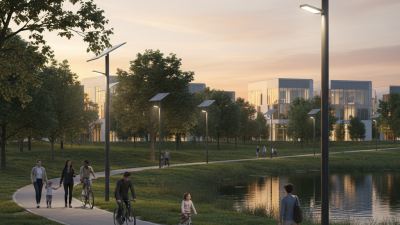
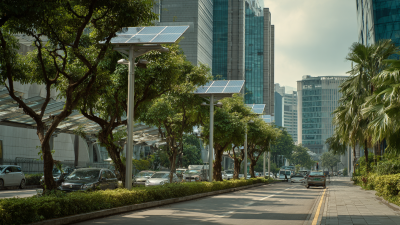
Solar tree lights offer a multitude of benefits that make them an ideal choice for sustainable outdoor spaces. Firstly, they harness energy from the sun, converting it into electricity through solar panels. This renewable energy source reduces reliance on fossil fuels and lowers carbon footprints, making solar tree lights an eco-friendly lighting solution. They work effectively in diverse settings, illuminating parks, gardens, and pathways without drawing from conventional power grids, thereby promoting energy conservation.
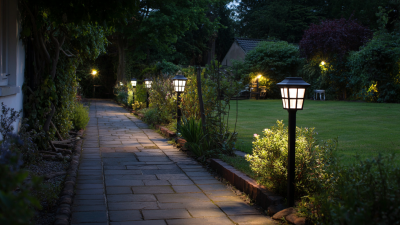
In addition to environmental benefits, solar tree lights enhance the aesthetic appeal of outdoor areas. Their unique design resembles a tree, creating a charming and inviting ambiance that can transform dull spaces into vibrant environments. These lights come in various styles and colors, allowing for personalized designs that align with the natural surroundings. Furthermore, they are low maintenance and often equipped with sensors that automatically turn them on at dusk and off at dawn, ensuring efficiency and convenience. By selecting solar tree lights, communities not only embrace sustainable practices but also enrich their outdoor experiences with beauty and functionality.
How Solar Tree Lights Work to Harness Renewable Energy
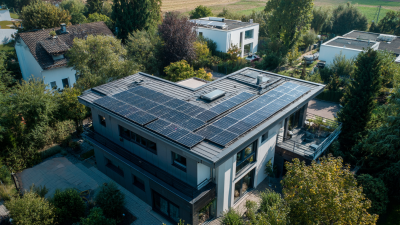
Solar tree lights are an innovative and sustainable solution for outdoor lighting, utilizing solar energy to provide illumination. These lights are designed to harness renewable energy through photovoltaic cells that convert sunlight into electricity. According to the International Renewable Energy Agency (IRENA), solar energy has become one of the most cost-effective sources of electricity, with the global average price of solar power dropping by 89% since 2010. This significant reduction in cost, coupled with increased efficiency in solar technology, makes solar tree lights an attractive choice for eco-friendly outdoor settings.
Solar tree lights typically rely on integrated solar panels that collect sunlight during the day, which is then stored in rechargeable batteries. At night, the stored energy powers energy-efficient LED lights, providing a sustainable and maintenance-free lighting solution. A report by the U.S. Department of Energy indicates that LED bulbs consume up to 75% less energy than traditional incandescent bulbs and have a lifespan that is 25 times longer. This combination not only reduces energy consumption but also minimizes the carbon footprint associated with outdoor lighting, aligning with global efforts to combat climate change and promote sustainable living.
Benefits of Solar Tree Lights vs Traditional Outdoor Lighting
Comparing Solar Tree Lights to Traditional Outdoor Lighting Options
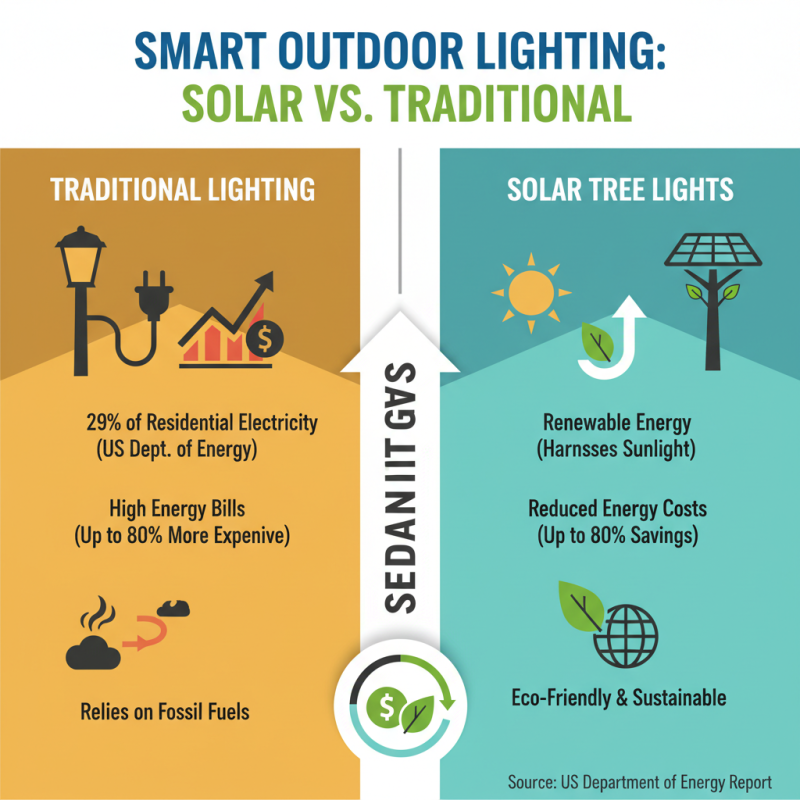
When comparing solar tree lights to traditional outdoor lighting options, the advantages of solar technology become clear. According to a report by the U.S. Department of Energy, outdoor lighting accounts for approximately 29% of residential electricity consumption. In contrast, solar tree lights offer a renewable energy solution, harnessing sunlight to power their operation. This not only reduces reliance on fossil fuels but also significantly cuts down on energy costs. In fact, it is estimated that using solar lighting can save up to 80% on energy bills compared to traditional electric lighting.
Moreover, traditional outdoor lighting often involves the burning of greenhouse gases, contributing to climate change. A study from the International Energy Agency highlights how extensive outdoor lighting systems can lead to higher carbon footprints. Solar tree lights, on the other hand, produce zero emissions during their operation. This shift towards eco-friendly alternatives not only benefits the environment but also aligns with a growing trend towards sustainable living, where consumers are increasingly prioritizing products that support a greener planet.
Tips: When selecting solar tree lights, look for options with high-efficiency solar panels and long-lasting LED bulbs to ensure maximum performance. Additionally, consider the placement of the lights; positioning them in areas that receive direct sunlight can optimize their energy absorption. By making informed choices, homeowners can enhance both the aesthetics and sustainability of their outdoor spaces.
The Environmental Impact of Using Solar Tree Lights
The environmental impact of using solar tree lights is significant, offering a sustainable alternative to traditional outdoor lighting options. According to the International Renewable Energy Agency (IRENA), solar power generation can reduce carbon emissions by up to 2.5 gigatons annually if widely adopted. Solar tree lights harness this renewable energy source, using photovoltaic panels to convert sunlight directly into electricity. This not only minimizes the reliance on fossil fuels but also helps in mitigating the effects of climate change, contributing to a cleaner, healthier planet.
Moreover, solar tree lights usually come equipped with LED technology, which is known for its energy efficiency. The U.S. Department of Energy reported that LED bulbs use at least 75% less energy than incandescent lighting and last 25 times longer. This efficiency translates into a substantial reduction in energy consumption and waste. By integrating solar technology with LED lighting, solar tree lights not only diminish the environmental footprint associated with outdoor lighting but also promote biodiversity by providing gentle illumination that doesn't disrupt nocturnal wildlife. The shift towards solar tree lighting is, therefore, a crucial step towards a more environmentally friendly approach to outdoor illumination, aligning with global efforts to create sustainable urban landscapes.
Best Practices for Installing and Maintaining Solar Tree Lights
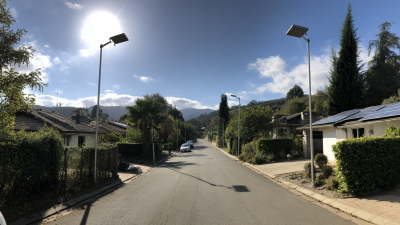
When it comes to installing solar tree lights, selecting the right location is paramount. Aim for areas that receive ample sunlight throughout the day to ensure that the solar panels can gather enough energy. Avoid spots that are shaded by tall trees or buildings. Pay attention to the height of the lights as well; they should be installed at a height that maximizes visibility while still anchoring securely to the ground or tree structure. This strategic placement not only enhances the illumination effect but also extends the lifespan of the lights by preventing overheating and allowing for optimal charging.
Maintenance of solar tree lights is relatively straightforward but essential for longevity. Regularly check the solar panels for dirt, leaves, and debris that could obstruct sunlight. Cleaning them with a soft cloth will help maintain their efficiency. Additionally, inspect the lights for any signs of wear and tear, such as cracked bulbs or loose connections. It is beneficial to store the lights indoors during harsh weather conditions to prevent damage from extreme temperatures or storms. Following these best practices will not only uphold the functionality of solar tree lights but also contribute to a more sustainable outdoor lighting solution.
Why Solar Tree Lights Are the Best Choice for Eco Friendly Outdoor Lighting - Best Practices for Installing and Maintaining Solar Tree Lights
| Feature |
Benefits |
Best Practices for Installation |
Maintenance Tips |
| Power Source |
Renewable energy source, cost-effective |
Install in a sunny location for maximum efficiency |
Regularly clean solar panels to remove dirt and debris |
| Installation Flexibility |
Can be placed in various outdoor settings |
Use waterproof connectors to avoid damage |
Check battery health at the start of each season |
| Environmental Impact |
Reduces carbon footprint |
Opt for models with eco-friendly materials |
Store properly during extreme weather conditions |
| Aesthetic Appeal |
Enhances outdoor ambiance with unique designs |
Choose a design that complements your outdoor decor |
Inspect lights regularly for any signs of wear |
| Safety Features |
Typically includes energy-saving and auto-off features |
Ensure lights are securely anchored to prevent tipping |
Replace any faulty LED bulbs promptly |