What is a Solar Street Light and How Does It Work for Energy Efficiency?
Solar street lights are becoming increasingly integral in urban development, as they bridge the gap between sustainability and energy efficiency. According to a report by the International Renewable Energy Agency (IRENA), global investments in solar power have surged, with solar street lighting technologies representing a significant component of this transition towards renewable energy sources. The advancement of LED technology, combined with high-efficiency solar panels, has enabled these installations to provide reliable and cost-effective lighting solutions while reducing greenhouse gas emissions.
Furthermore, a study conducted by the Global Lighting Association indicates that integrating solar street lights into urban planning can lead to up to 80% savings in energy consumption compared to traditional lighting systems. With urban areas consuming approximately 75% of the world's energy, the shift to solar solutions is not only a matter of reducing operational costs but also of fostering eco-friendly practices. As cities seek to address energy demands and enhance public safety, solar street lights emerge as a pivotal option that aligns with global sustainability goals.
What Is a Solar Street Light?
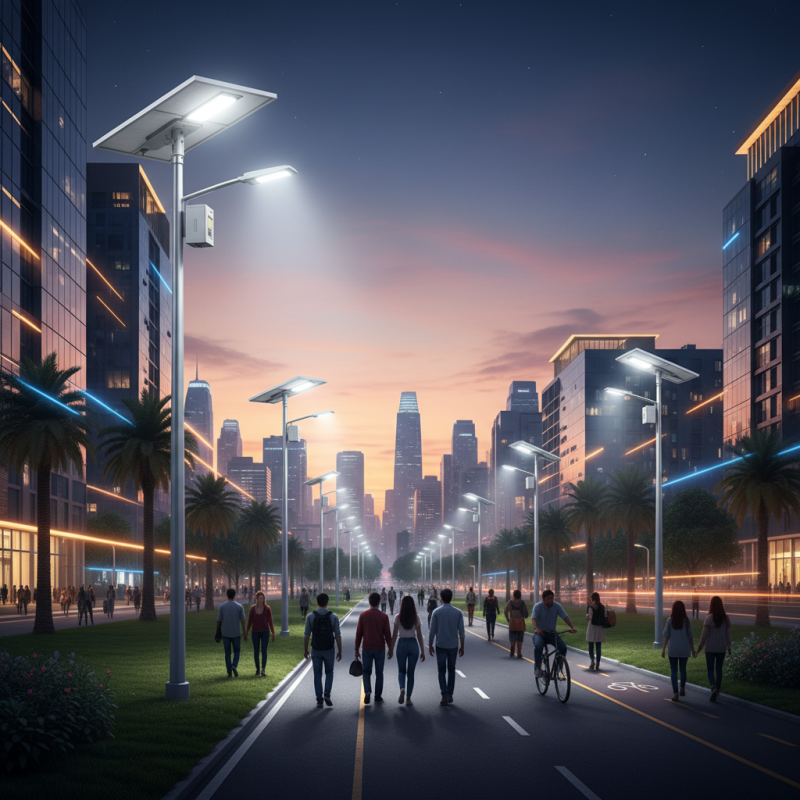
A solar street light is a lighting solution that utilizes solar energy to illuminate public spaces such as streets, parks, and pathways. Unlike traditional street lights, which rely on electrical power from the grid, solar street lights harness the sun's energy through photovoltaic panels. These panels are typically mounted on top of the light fixture, capturing sunlight during the day and converting it into electricity. This electricity powers the LED (light-emitting diode) lights, ensuring bright illumination at night without relying on an external power source.
The design of a solar street light is both efficient and eco-friendly. The integrated system usually includes a solar panel, LED light, battery, and a controller. The battery stores energy collected during the day, allowing the light to operate autonomously after sunset, often with the capability to run for several hours or even days during cloudy conditions. By employing energy-efficient LED technology, solar street lights provide high luminosity with minimal energy consumption, reducing operational costs and contributing to a sustainable urban environment. As cities seek to enhance their energy efficiency and reduce carbon footprints, solar street lighting presents an innovative solution that meets both economic and environmental goals.
Key Components of Solar Street Lights
Solar street lights are an innovative solution for outdoor illumination, integrating renewable energy technology to enhance energy efficiency and sustainability. The key components of these lights play a crucial role in their functionality and effectiveness.
The primary components of solar street lights include solar panels, batteries, LEDs, and controllers. Solar panels are responsible for collecting sunlight during the day and converting it into electricity. This electricity is then stored in the batteries, which provide power during nighttime when the street lights are in use. The batteries are typically designed with a long lifespan and high capacity to ensure they can sustain the light throughout the night, even after cloudy or rainy days.
Another important aspect is the LED light source itself, which offers high brightness while consuming significantly less energy compared to traditional lighting options. LEDs have a longer lifespan and lower heat emissions, contributing to overall energy savings. The controller manages the entire system, ensuring that the lights turn on at dusk and off at dawn, as well as regulating the charging and discharging of the batteries. This integrated design enhances the energy efficiency of solar street lights, making them a practical choice for sustainable public lighting solutions.
How Solar Street Lights Generate and Store Energy
Solar street lights are designed to harness sunlight, convert it into electricity, and provide outdoor illumination efficiently. At the core of their functionality, these lights utilize solar panels that capture solar energy during the day. Based on reports from the International Renewable Energy Agency (IRENA), solar energy generation has grown significantly, with global installations surpassing 700 gigawatts in 2020. This trend underscores the increasing reliance on renewable sources, such as solar energy, for sustainable infrastructure projects.
Once solar panels generate electricity, the power is directed to rechargeable batteries, where it is stored for use during the night or on cloudy days. According to research published by the National Renewable Energy Laboratory (NREL), advancements in battery technology have allowed for longer storage times and greater efficiency levels, with modern lithium-ion batteries capable of charging quickly and maintaining significant energy output. This efficient storage system ensures that solar street lights can function reliably, illuminating roadways and public spaces while reducing dependence on conventional electrical grids.
Moreover, solar street lights contribute to energy efficiency by minimizing energy losses associated with traditional grid electricity. By incorporating smart technology, such as motion sensors and automatic dimming, these lights can adjust their brightness based on real-time environmental conditions and foot traffic. Research indicates that integrating such smart features can enhance energy savings by up to 50%, making solar street lights not only environmentally friendly but also economically viable solutions for cities aiming to reduce their carbon footprint.
Benefits of Solar Street Lights for Energy Efficiency
Solar street lights leverage renewable energy to illuminate public spaces efficiently. One of the primary benefits they offer is significant energy savings. Unlike traditional street lights that rely on electricity from the grid, solar street lights harness sunlight to power their LED fixtures. This not only reduces energy costs but also lowers the carbon footprint associated with urban lighting, making them an eco-friendly alternative.
Additionally, solar street lights enhance energy efficiency by incorporating smart technologies. Many models feature motion sensors that adjust brightness based on the presence of pedestrians or vehicles, ensuring that energy is used only when necessary. This adaptive lighting not only conserves energy but also prolongs the lifespan of the solar panels and batteries. Furthermore, installation costs can be lower since solar street lights do not require extensive wiring or infrastructure setup, making them an attractive solution for cities looking to upgrade their lighting systems sustainably.
Challenges and Considerations for Solar Street Light Implementation
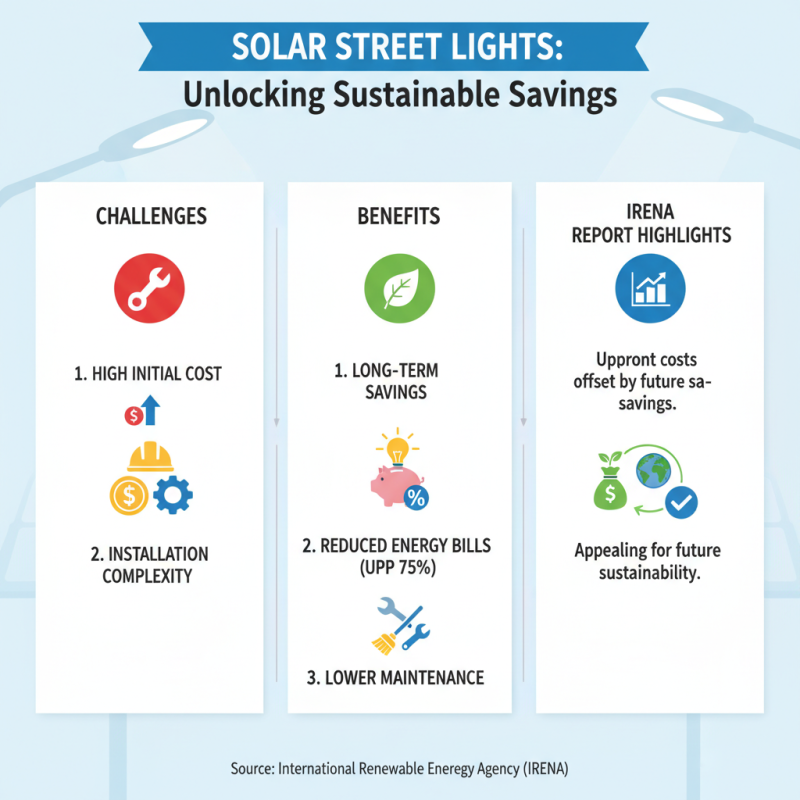
The implementation of solar street lights presents several challenges that must be addressed to maximize their effectiveness. One major consideration is the initial investment and installation cost, which can be significantly higher than traditional lighting systems. According to a report from the International Renewable Energy Agency (IRENA), while the upfront costs may dissuade some municipalities, these expenses are often offset by long-term savings on energy and maintenance. Cities can save up to 75% on electricity costs, making solar lights an appealing investment for future sustainability.
Another challenge involves ensuring adequate solar energy capture. Not all locations receive consistent sunlight, and geographic features, such as tall buildings or trees, can obstruct sunlight reaching the panels. A study conducted by the National Renewable Energy Laboratory indicated that optimal positioning and design of solar street lights are crucial for maximizing energy efficiency. It is essential for planners to conduct thorough site assessments and consider seasonal variations to address this issue effectively.
**Tips for successful implementation:** Before proceeding with installation, municipalities should conduct feasibility studies to determine the best locations for solar street lights. Additionally, integrating smart technology can enhance energy efficiency further and ensure that lights operate optimally based on environmental conditions. Lastly, community engagement is vital; involving residents in the planning process can help address any concerns and increase public acceptance of solar street lighting initiatives.