In the quest for sustainable energy solutions, the adoption of smart solar technology has emerged as a key player in reshaping how we harness and utilize solar power. With advancements in smart solar systems, homeowners and businesses alike are increasingly able to optimize energy consumption while reducing their carbon footprint. Industry expert Dr. Emily Rowan, a leading voice in renewable energy, famously stated, “Smart solar solutions not only empower consumers but also pave the way for a cleaner, more sustainable future.”
As global energy demands continue to rise, the integration of smart solar technologies is becoming more crucial than ever. From energy-efficient solar panels that adjust to daily variations in sunlight to intelligent management systems that automate energy usage, these innovations are designed to maximize energy production and savings. Through this article, we will explore the top 10 smart solar solutions available today, illustrating how they can contribute to significant energy savings while fostering a more sustainable living environment.
Ultimately, the shift towards smart solar not only represents a technological advancement but also signifies a broader movement towards environmental responsibility. As we delve into these solutions, we will see how they are creating a more efficient energy landscape that benefits both consumers and the planet.
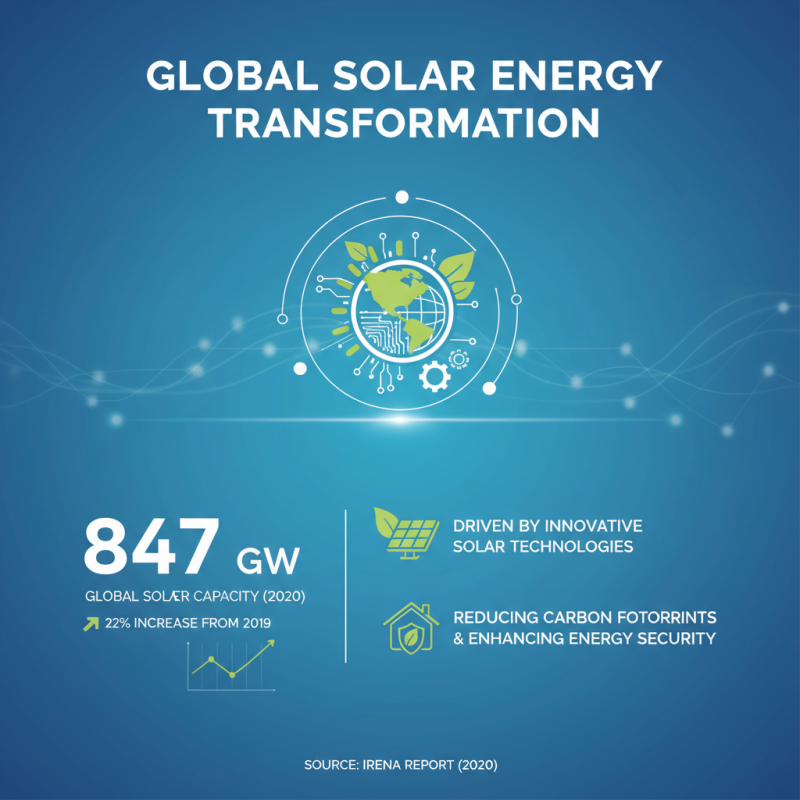
The energy landscape is undergoing significant transformation, driven by innovative solar technologies that are redefining efficiency and sustainability. According to a report by the International Renewable Energy Agency (IRENA), the global solar power capacity reached approximately 847 GW in 2020, marking an impressive 22% increase from the previous year. This surge demonstrates the growing reliance on solar solutions as nations aim to reduce carbon footprints and enhance energy security.
Among the recent advancements in solar technology, photovoltaic (PV) systems have seen remarkable improvements in efficiency, with some modern panels achieving conversion rates of over 22%. Furthermore, solar tracking systems, which adjust the alignment of solar panels to follow the sun, can increase energy capture by up to 30%. This level of innovation not only maximizes energy output but also drives down costs, creating a more accessible pathway for residential and commercial energy savings. Additionally, advancements in energy storage technologies, such as lithium-ion batteries, play a crucial role in allowing solar energy to be harnessed even when the sun isn’t shining, providing a reliable energy source that bolsters long-term sustainability goals.
As countries worldwide commit to ambitious renewable energy targets, integrating these innovative solar solutions will be vital. The global market for solar technologies is projected to expand significantly, with forecasts indicating a market value of over $223 billion by 2026, according to a report from Allied Market Research. This indicates a robust shift toward cleaner, more efficient energy systems as solar solutions continue to evolve and dominate the energy landscape.
Smart solar solutions are revolutionizing energy consumption for homes and businesses by increasing efficiency and promoting sustainability. One of the key features of these advanced systems is the integration of smart technology, which allows users to monitor and manage their energy production and consumption in real-time. Through user-friendly apps and interfaces, homeowners and business operators can track solar panel performance, energy usage patterns, and even receive alerts about system maintenance. This level of control empowers users to make informed decisions, maximizing energy savings and reducing reliance on traditional power sources.
Another crucial aspect of smart solar solutions is their ability to incorporate energy storage systems. These batteries store excess energy generated during peak sunlight hours, ensuring that it can be used when needed most, such as during cloudy days or at night. This not only enhances self-sufficiency but also provides additional savings by lowering electricity costs and minimizing the need for grid power. Furthermore, many systems are designed with scalability in mind, allowing users to easily expand their solar capabilities as energy needs change or grow over time. Together, these features create a robust framework for sustainable energy management, making smart solar solutions an attractive choice for eco-conscious consumers.
The cost-benefit analysis of implementing smart solar solutions reveals significant advantages for both residential and commercial users. According to the U.S. Department of Energy, solar energy adoption has seen a remarkable growth, with costs dropping more than 70% since 2010. Homeowners can expect an average return on investment (ROI) of around 20% when installing solar panels, significantly surpassing traditional investment options. Additionally, the Environmental Protection Agency highlights that residential solar can save homeowners up to $20,000 over 20 years on energy bills, providing a compelling financial incentive to transition to renewable energy.
Tips: When considering solar solutions, it's essential to evaluate your energy consumption and explore community solar programs. These initiatives allow individuals to benefit from solar power without needing to install panels directly, increasing accessibility and affordability. Furthermore, seeking local and federal incentives can enhance your financial benefits, as many regions offer tax credits or rebates for solar installations.
Incorporating smart solar technologies, such as solar batteries and energy management systems, can further enhance savings. A report by the National Renewable Energy Laboratory suggests that combining solar with storage can increase self-consumption rates by up to 70%, allowing users to optimize their energy use and reduce dependency on the grid. This integrated approach not only supports sustained energy savings but also aligns with broader sustainability goals.
The integration of smart solar solutions with energy management systems is revolutionizing the way we approach sustainable energy savings. By utilizing advanced technologies, these systems enable real-time monitoring and optimization of energy consumption, leading to enhanced efficiency and reduced operational costs. Smart solar systems can generate clean energy and communicate with energy management platforms to adjust energy usage based on real-time data, significantly optimizing energy expenditure for homes and businesses alike.
One effective strategy is to implement energy management software that analyzes solar energy production and consumption patterns. This insight helps users understand peak production times and adjust their energy usage accordingly, which is crucial during periods of high demand. Moreover, integrating battery storage solutions can further elevate the efficiency of solar systems by storing excess energy generated during sunny days for use during overcast conditions or peak demand periods.
Tips for maximizing energy savings include ensuring that your energy management system is compatible with your solar setup, enabling automated energy adjustments based on current usage and weather forecasts. Regularly monitoring your energy consumption trends can also help identify inefficiencies and opportunities for additional savings. Finally, engaging in community solar or cooperative energy programs can increase access to renewable energy, promoting sustainable practices within larger networks. By seamlessly integrating smart solar solutions with comprehensive energy management systems, users can unlock unprecedented levels of energy savings and sustainability.
The future of smart solar solutions is poised to revolutionize sustainable living, driven by advancements in technology and an increasing emphasis on energy efficiency. Emerging trends are focused on integrating artificial intelligence with solar energy systems, allowing for improved energy management and optimization. Smart solar panels equipped with sensors can monitor sunlight exposure and weather conditions in real-time, adjusting their angles to capture maximum sunlight. Additionally, these systems can learn energy consumption patterns, enabling homeowners to utilize energy resources more effectively while reducing waste.
Furthermore, the trend towards decentralized energy generation is gaining traction, as communities embrace shared solar initiatives. By pooling resources, neighborhoods can install solar arrays that provide energy for multiple homes, creating a sense of community and further enhancing sustainability. Coupled with advancements in energy storage technologies, such as smart batteries, users can store excess solar energy generated during peak sunlight hours for use during night or cloudy days, allowing for greater energy independence. As smart solar solutions continue to evolve, they align perfectly with the broader goals of sustainable living, reducing carbon footprints while providing reliable and efficient energy sources.
| Solution | Description | Benefits | Future Trends |
|---|---|---|---|
| Smart Solar Panels | Panels equipped with AI to optimize energy capture. | Increased efficiency, lower energy costs. | Integration with smart home systems. |
| Solar Battery Storage | Batteries that store excess solar energy for later use. | Enhances energy independence, reduces grid reliance. | Advanced battery technology for longer lifespan. |
| Smart Inverters | Inverters that adjust output based on real-time data. | Maximizes energy use and cuts costs. | Integration with smart grids and demand response. |
| Solar Tracking Systems | Systems that adjust the angle of panels to follow the sun. | Increases energy production significantly. | Automation and remote control features. |
| Building-Integrated PV (BIPV) | Solar panels integrated into building materials. | Reduces installation costs, enhances aesthetics. | Growth in architectural designs utilizing solar tech. |
| Smart Monitoring Systems | Systems that track and analyze energy generation. | Quick identification of issues and performance optimization. | AI-driven analytics for predictive maintenance. |
| Community Solar Projects | Shared solar systems for neighborhoods. | Access to solar for those without rooftops. | Expansion of cooperative ownership models. |
| Solar-Powered EV Charging Stations | Charging stations powered by solar energy. | Reduces charge costs and environmental impact. | Integration with smart grid technology. |
| Solar Water Heating Systems | Systems that use solar energy to heat water. | Lowers energy bills for heating. | Hybrid systems combining solar with other technologies. |
| Solar Skins and Customization | Solar panels available in various designs. | Improved aesthetics for residential properties. | Increase in personalized energy solutions. |