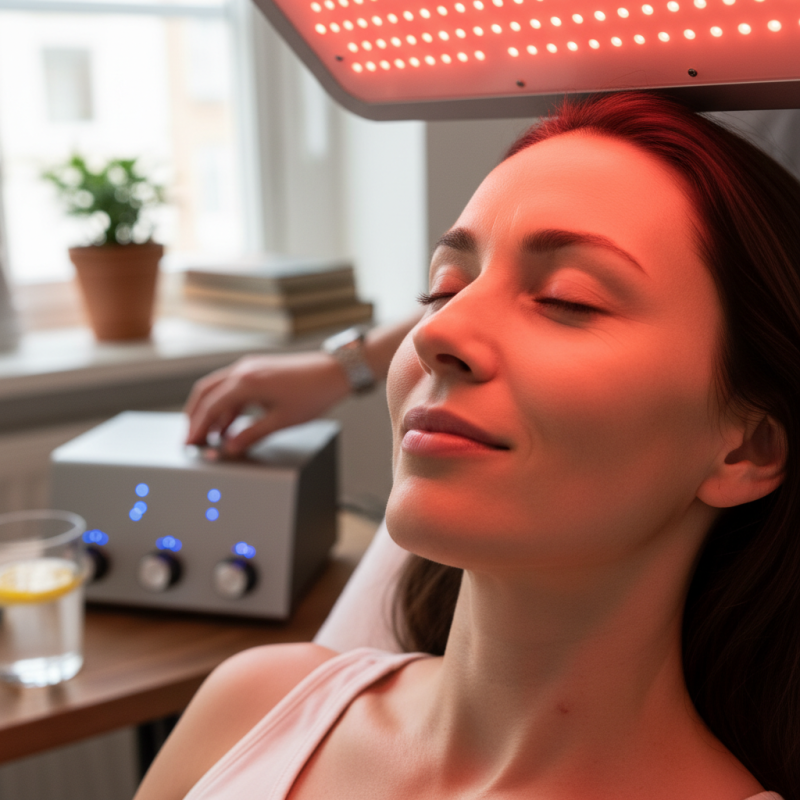
Red Light Therapy Benefits and Best Practices Explained?
Red Light Therapy has gained popularity in recent years for its numerous benefits. Experts in the field, such as Dr. Alexander Fitzpatrick, emphasize the transformative potential of this treatment. He once stated, “Red light therapy can stimulate healing at the cellular level.” This underscores the scientific basis behind its growing use.
Many practitioners have found that Red Light Therapy aids in reducing inflammation and improving skin health. Users report visible results, including reduced wrinkles and faster recovery from injuries. However, it's essential to approach these claims with caution. Individual experiences can vary.
While the benefits can be significant, some users may not see immediate results. It's vital to be patient and consistent. Integrating Red Light Therapy into a wellness routine should be balanced with other healthy practices. Observations and adjustments are part of the journey to optimize outcomes.
Red Light Therapy: An Overview of Mechanisms and Applications
Red light therapy (RLT) involves exposing the skin to low-level red wavelengths of light. This therapy has gained traction for its potential health benefits. Studies suggest RLT can enhance cellular energy production by stimulating mitochondria. This increased energy can lead to improved healing processes.
Research highlights RLT’s role in skin rejuvenation and wound healing. A report from the Journal of Photomedicine indicates that RLT reduces inflammation and accelerates recovery in damaged tissues. Moreover, trials show it may alleviate pain and promote muscle recovery for athletes. The therapy is non-invasive, making it appealing for various individuals.
Tips: Use RLT consistently for the best outcomes. Regular sessions can enhance results. Try to maintain a distance of about six inches from the light source. Additionally, pay attention to skin sensitivity. Monitor how your skin reacts to the therapy. Adjust the frequency or duration as needed. Awareness and caution are essential for safety.
Red Light Therapy Benefits and Best Practices
| Benefit | Mechanism | Applications | Best Practices |
| Improved Skin Health | Stimulates collagen production and reduces inflammation | Anti-aging treatments, acne reduction | Use 3-5 times a week for best results |
| Pain Relief | Increases blood circulation and reduces oxidative stress | Chronic pain management, arthritis | Apply to affected areas for 10-20 minutes |
| Wound Healing | Promotes cell regeneration and tissue repair | Post-surgery recovery, burn treatment | Use on clean, dry wounds with consistent intervals |
| Reduced Inflammation | Modulates inflammatory responses in tissues | Sports injuries, muscle recovery | Combine with rest to maximize healing |
| Enhanced Mood | Regulates serotonin levels and promotes relaxation | Seasonal Affective Disorder (SAD), anxiety | Use in morning light for optimal mood influence |
Scientific Evidence Supporting Red Light Therapy Benefits
Red light therapy (RLT) is gaining popularity for its potential health benefits. Various studies suggest it can improve skin health, reduce inflammation, and enhance muscle recovery. Research indicates that it may increase collagen production, which can lead to more youthful skin. In a controlled study, participants reported reduced fine lines and improved skin tone after consistent RLT sessions.
Most noticeably, RLT is non-invasive. This is crucial for many people looking for alternatives to harsher treatments. However, results can vary. Some users experience significant improvement, while others notice little to no change. It raises questions about individual responsiveness to therapy. The optimal wavelength and duration are still under discussion. Some experts suggest 660 nm for skin, while 850 nm may work better for deep tissues. Understanding these details can help maximize benefits.
As we look into RLT, it's essential to approach with an open mind. While the potential is exciting, the science is still evolving. Future research may clarify its effectiveness and proper usage further. It’s a field ripe for exploration, with personal stories of success and gaps in knowledge worth investigating.
Best Practices for Effective Red Light Therapy Sessions
Red light therapy has gained popularity for its potential health benefits. To maximize its effectiveness, certain best practices should be followed during therapy sessions. First, ensure that the treatment area is clean and free from distractions. A serene environment enhances relaxation. It allows the body to absorb the light more efficiently.
Session duration is important. People often assume longer is better, but this isn't always the case. Shorter sessions, around 10 to 20 minutes, might be just as effective. Consider your skin type and sensitivity as well. Too much exposure might lead to irritation. Start slow, and adjust the time as needed.
Using proper distance from the light source is also crucial. Being too close can cause discomfort, while being too far might reduce effectiveness. Finding that sweet spot takes experimentation. Lastly, keep track of your sessions. Reflect on your body's response. This can guide you in optimizing future treatments for better results.
Potential Risks and Side Effects of Red Light Therapy
Red light therapy has gained popularity for its myriad of potential benefits. However, it is essential to consider the potential risks and side effects associated with its use. Some users may experience mild skin irritation after treatment. Redness or a burning sensation sometimes occurs, especially with prolonged exposure. Understanding these reactions can help manage expectations.
Another concern is the potential for eye damage. Direct exposure to intense red light can harm the eyes. It’s advisable to wear protective eyewear during treatment. Some individuals may also report headaches after sessions. It’s unclear why this happens, but it’s important to listen to your body. If discomfort arises, reducing the treatment duration or frequency may prove beneficial.
In rare cases, users report increased sensitivity to light. This reaction can be surprising and may require discontinuation of therapy. It’s crucial to consult a healthcare professional before beginning therapy, especially for those with underlying health conditions. Awareness of these side effects allows for a more informed decision regarding the use of red light therapy. Keep safety in mind as you explore its potential.
Red Light Therapy Benefits Overview
Comparative Analysis: Red Light Therapy vs. Other Treatment Modalities
Red light therapy (RLT) is gaining popularity in the wellness world. It serves various purposes, from pain relief to skin rejuvenation. While RLT is effective, it's important to compare it with other treatments. This can help consumers make informed choices.
In clinical studies, RLT has shown promising results for wound healing and inflammation reduction. One study noted a 70% improvement in healing times for certain injuries using RLT. In contrast, traditional therapies like corticosteroid injections often have side effects like skin thinning and discomfort. Many patients report dissatisfaction with these invasive options.
Moreover, physical therapy takes longer to produce visible benefits. A report from the National Institute of Health indicated that 45% of patients do not fully recover from musculoskeletal pain within three months of standard therapy. RLT, on the other hand, provides a non-invasive alternative with fewer risks. Nevertheless, understanding individual needs remains crucial. What works for one person might not work for another. Exploring all options allows for better personalization in treatment plans.