10 Essential Tips for Choosing Solar Powered Lights Outdoor
Choosing the right solar powered lights outdoor can significantly enhance your outdoor space. Many people overlook this important aspect. Solar lights are a great option for anyone wanting to save energy and reduce electricity bills. These lights harness sunlight, converting it into power for nighttime illumination.
When selecting solar powered lights outdoor, consider several factors. The brightness, style, and durability are crucial. Some lights can be too dim or fail to withstand weather conditions. It’s essential to check the quality and reviews before purchasing. Not all lights are created equal, and you may face challenges if you don’t do your research.
Moreover, think about your outdoor layout. Some areas might need bright lights for security, while others may benefit from soft lighting. Finding the right balance is key. With the right choices, solar powered lights outdoor can transform your yard into a beautiful and functional space. Choosing wisely will save you time and money in the long run.
Understanding the Benefits of Solar Powered Outdoor Lights
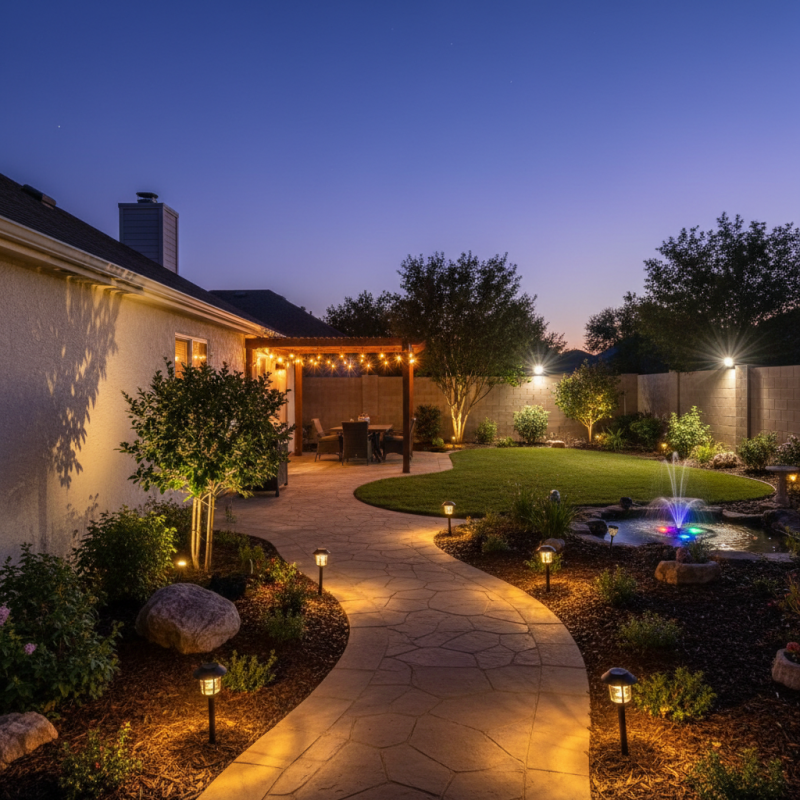
When it comes to outdoor lighting, solar-powered options stand out. These lights harness sunlight during the day and illuminate your space at night. They can reduce energy costs significantly. This eco-friendly lighting solution uses renewable energy. You can also enjoy the benefits of low maintenance. There’s no need for complicated wiring or extensive installation. Simply place them where the sun can reach.
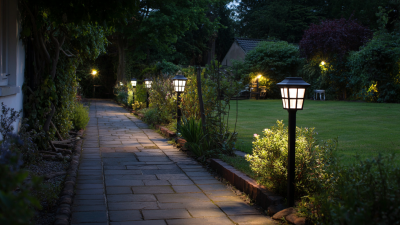
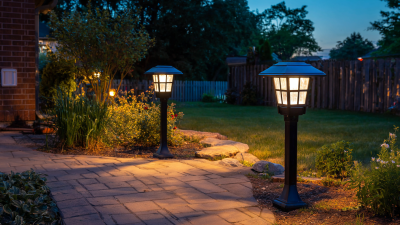
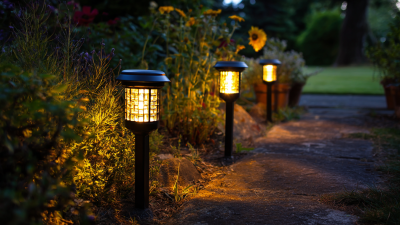
Solar outdoor lights can transform your garden or pathway. They come in various styles and designs, from elegant lanterns to sleek spotlights. You might find that not all models perform equally. Some may dim quickly or fail to charge on cloudy days. So, evaluating your needs is crucial. Think about the areas you want to light up. Choose the brightness level that suits your space. It’s essential to ensure the lights' positioning for maximum sun exposure. This can be a trial-and-error process.
Consider the longevity of the solar lights. Battery life is key to keeping your outdoor space lit. Not all solar lights have durable batteries, leading to frustration. Inconsistent performance can be a headache. Be aware of the materials used in the construction. Higher quality often means better resilience against weather elements. While solar lights can be efficient, some may not meet your expectations. It's important to reflect on what works for your lifestyle.
Benefits of Solar Powered Outdoor Lights
Evaluating the Brightness and Lumens of Solar Lights
When choosing solar-powered lights for your outdoor space, evaluating brightness is crucial. Brightness is typically measured in lumens. The higher the lumen count, the brighter the lamp will be. For pathway lights, a range of 50 to 200 lumens is often sufficient. Meanwhile, decorative lights may only need 20 to 50 lumens. It’s essential to consider the purpose of the light.
However, not all options deliver on their lumens promise. Some lights look bright in the store, but their performance can fade after a few months. Weather conditions can also impact brightness. Overcast days may reduce solar absorption. Therefore, check battery quality and solar panel efficiency. Sometimes, manufacturers provide optimistic lumen ratings that don’t match real-world performance.
It’s also worth reflecting on the aesthetic aspect. While bright lights can illuminate a space, they may not always create ambiance. Dimmer lights can enhance the atmosphere but might fall short on visibility. Balance is key. Aim for lights that offer both adequate brightness and design appeal. Keep a critical eye on customer reviews to avoid poor choices. Brightness is important, but so is finding the right style for your outdoor area.
Assessing Battery Capacity and Charging Time for Solar Lights
When choosing solar powered lights for outdoor use, understanding battery capacity and charging time is crucial. Most solar lights utilize lithium-ion or lead-acid batteries. Lithium-ion batteries, for example, typically provide higher efficiency. They can hold a charge longer than lead-acid options, which are heavier and less durable.
A study by the Department of Energy indicates that battery capacity directly affects performance. A light with 2200mAh capacity can run for eight hours, while one with only 600mAh may last just two hours. Charging time is equally significant; it usually takes 6 to 8 hours under direct sunlight. Insufficient sunlight can lead to suboptimal charging, causing lights to fail prematurely.
It’s important to consider installation location. If solar lights are placed in shaded areas, they may not receive adequate light, affecting battery performance. Furthermore, frequent cloudy days can result in lights draining faster than they charge. Always assess any potential barriers that could affect performance. Investing time in understanding these factors can lead to more effective outdoor lighting solutions.
10 Essential Tips for Choosing Solar Powered Lights Outdoor - Assessing Battery Capacity and Charging Time for Solar Lights
| Feature |
Description |
Battery Capacity (Ah) |
Charging Time (Hours) |
Light Output (Lumens) |
| LED Type |
White LEDs provide bright illumination |
2.0 |
6-8 |
300 |
| Power Source |
Solar-powered with efficient solar panels |
2.5 |
4-6 |
400 |
| Durability |
Weather-resistant materials for outdoor use |
1.5 |
8-10 |
200 |
| Light Sensor |
Automatically turns on at dusk |
3.0 |
5-7 |
500 |
| Installation |
Easy installation without wiring |
2.0 |
6-8 |
350 |
Choosing the Right Design and Style for Your Outdoor Space
Outdoor spaces benefit greatly from the right solar-powered lights. Choosing the right design matters. Research shows that aesthetics influence how people feel about a space. A well-lit area improves mood and enhances safety. Over 60% of homeowners say lighting shapes their outdoor experience.
Consider the style of your garden or patio. Soft, ambient lights work well for calm settings. Bright, focused lights suit active areas like pools or cooking zones. Shapes and colors should complement your existing décor. Clear guidelines are often overlooked, leading to mismatched installations.
Be wary of common pitfalls. Many choose lights based on price rather than quality. This often leads to frustration. Inadequate brightness can ruin an evening. Similarly, poor design may clash with your home’s architecture. Pay attention to how light travels. A well-placed lantern or spotlight can transform a yard. Use light to highlight features like trees or pathways.
Considering Weather Resistance and Durability of Solar Lights
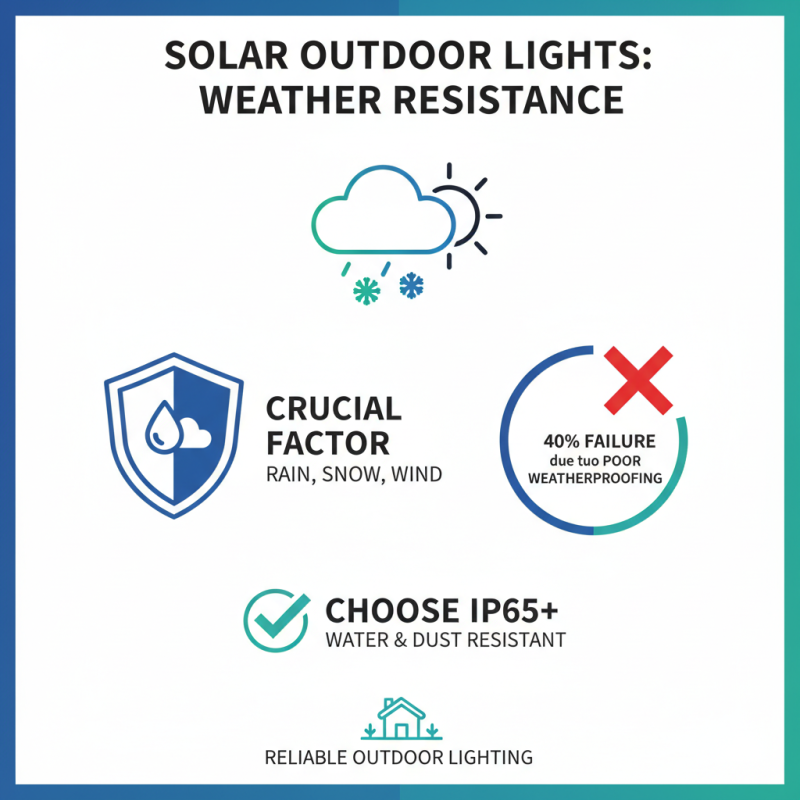
When choosing solar powered lights for outdoor use, weather resistance is a crucial factor. Most solar lights are exposed to elements like rain, snow, and high winds. According to industry reports, about 40% of solar lights fail due to poor weatherproofing. It is vital to select lights that are rated IP65 or higher. This rating ensures they can withstand water splashes and dust exposure effectively.
Durability is equally important. Not all materials hold up well over time. Many solar lights are made from plastic, which can degrade under UV rays. Heavy-duty aluminum or glass constructions tend to last longer. Research shows that lights with robust designs last at least 15-20% longer than those made from cheaper materials. Consider options with tempered glass lenses. They resist cracking much better than traditional plastic lenses.
Remember that sunlight quality and duration can vary greatly. In areas with limited sunlight, the performance of solar lights may decrease. Regular maintenance can help, but some homeowners overlook this. Cleaning the panels regularly can enhance efficiency. It’s a simple step that pays off significantly in the long run.