What is an Electric Infrared Heater and How Does It Work?
Electric Infrared Heaters have gained popularity for their efficient heating solutions. According to David H. Turner, a leading expert in electric heating systems, "Electric Infrared Heaters can transform how we use warmth in our homes." This technology employs infrared radiation to heat objects directly, rather than warming the air.
These heaters operate silently, making them ideal for many settings. Unlike traditional convection heaters, which heat the air, electric infrared heaters warm up people and surfaces. This method can lead to energy savings, but it requires thoughtful placement for maximum effectiveness.
However, challenges remain. For instance, some users might struggle with uneven heat distribution. Understanding these nuances is crucial for making informed decisions. An electric infrared heater can be a great addition, but knowing how it works helps in choosing the right one. All factors considered, it is essential to weigh the advantages against potential drawbacks before making a choice.
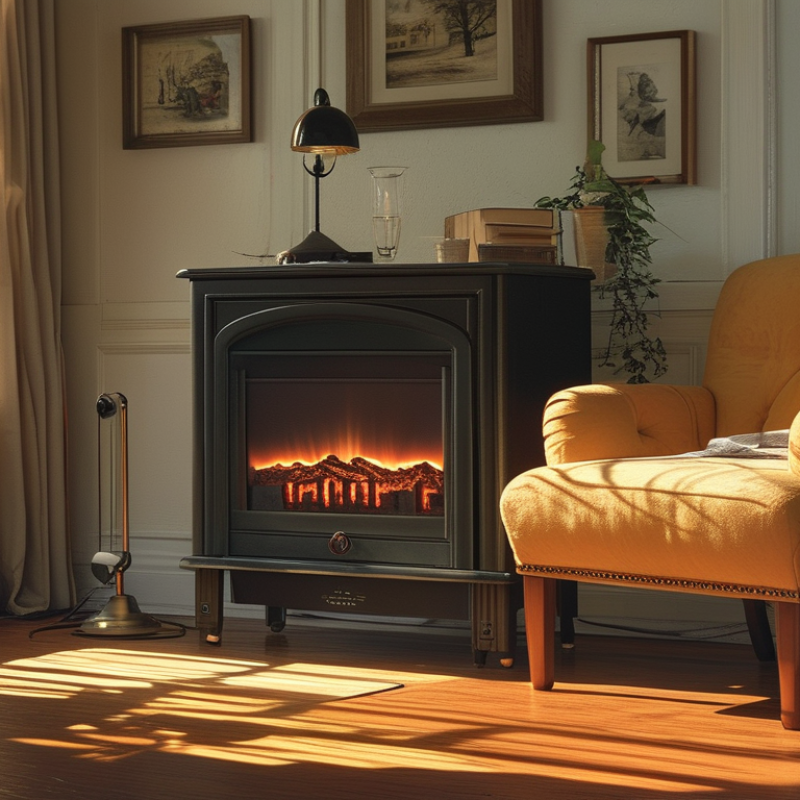
Definition of Electric Infrared Heaters
Electric infrared heaters are innovative devices designed to provide efficient and direct heating. Unlike traditional heating systems, they use infrared radiation to warm up objects and people in a room rather than heating the air. This technology has gained popularity due to its energy efficiency. Research from the Department of Energy indicates that infrared heaters can save up to 30% more energy compared to conventional heating systems.
These heaters work by emitting infrared rays, which are absorbed by surfaces, leading to warmth in the space. They offer immediate heat, which can be beneficial in various settings, such as homes or workshops. The efficiency of infrared heating can make it more appealing, especially in areas with higher energy costs. However, it's essential to ensure the proper placement of these heaters to maximize their effectiveness.
When using an electric infrared heater, consider maintaining a direct line of sight to the object or surface you want to heat. This optimal positioning enhances the comfort level. Pay attention to maintenance, as dust can accumulate on the heating element, reducing efficiency. Finally, remember that while these heaters provide direct warmth, they do not replace proper insulation in your space. Keeping your home sealed and well-insulated complements the benefits of infrared heating, leading to a more comfortable environment.
Principle of Operation for Infrared Heating
Electric infrared heaters work by employing the principles of infrared radiation. These heaters emit infrared rays that warm objects directly in their path, rather than heating the air. This method is efficient for heating spaces. Infrared energy travels in waves and can penetrate the surfaces of furniture, floors, and walls. As these surfaces absorb the heat, they then release it back into the room, creating a comfortable environment.
The design of infrared heaters is often sleek and modern, enabling them to blend into various settings. Users appreciate how quickly they can feel warmth. Unlike traditional convection heaters, which may take time to warm a room, infrared heaters provide instant heat. However, the intensity of heat may vary depending on the distance from the heater. Close proximity can create an overwhelmingly warm spot, while standing further away may result in cooler temperatures.
One should consider that while infrared heating offers benefits, it's not flawless. The heat can be uneven, leading to cold and hot spots in a room. Users must be mindful of their positioning. Additionally, they require maintenance to ensure safe operation. As comfortable as infrared heating can be, it’s crucial to understand its limitations to maximize effectiveness.
Advantages of Using Electric Infrared Heaters
Electric infrared heaters are becoming popular for their unique heating method. They emit infrared radiation, which warms objects and people directly. This results in a cozy environment without wasting energy on heating the air itself. These heaters are efficient and can offer warmth in a matter of seconds.
One major advantage of electric infrared heaters is their energy efficiency. They use less electricity, reducing utility bills significantly. Additionally, infrared heaters do not create drafts, making them ideal for enclosed spaces. They also operate quietly, which can be a crucial factor for those seeking a peaceful atmosphere.
However, these heaters have limitations. They do not effectively heat large areas, as their reach is limited. Positioning becomes essential; if not placed correctly, they may leave cold spots. Moreover, while infrared heaters are generally safe, prolonged exposure to the direct heat can cause skin irritation. It’s vital to use them wisely and consider your specific heating needs.
What is an Electric Infrared Heater and How Does It Work? - Advantages of Using Electric Infrared Heaters
| Feature | Description |
| Heating Method | Infrared radiation directly heats objects and people rather than the air. |
| Energy Efficiency | Typically more energy-efficient compared to traditional heating systems. |
| Instant Heat | Provides immediate warmth as it does not need to heat up the air first. |
| Health Benefits | Can help relieve muscle pain and improve circulation. |
| Silent Operation | Operates quietly without any moving parts. |
| Safety Features | Many models include safety shut-off mechanisms and cool-to-touch exteriors. |
| Portability | Many electric infrared heaters are lightweight and easy to move from room to room. |
| Environmental Impact | Generally a more eco-friendly option, especially when using clean energy sources. |
Different Types of Electric Infrared Heaters
Electric infrared heaters are becoming popular for their efficient heating capabilities. There are several types on the market, each serving different needs. Broadly, they can be categorized into three main types: quartz heaters, ceramic heaters, and carbon fiber heaters.
Quartz heaters are known for their high efficiency and fast heating. They use quartz tubes to produce heat through infrared radiation. These heaters are particularly effective for spot heating, making them ideal for small rooms or areas.
Ceramic heaters, on the other hand, utilize ceramic plates that retain heat well. They provide a more gentle warmth and are often used for larger spaces.
Carbon fiber heaters offer a blend of efficiency and comfort. They emit a softer heat and can heat larger areas while being energy-efficient.
Each type of heater comes with its own benefits and limitations. For instance, while quartz heaters heat up quickly, they might not be suitable for long-term use in larger spaces. Similarly, ceramic heaters take time to warm up but maintain heat effectively. Understanding these differences can help consumers make better choices based on their heating needs and environment. It's a balance between efficiency and comfort, and personal preference plays a significant role.
Safety Considerations and Maintenance Tips
When using electric infrared heaters, safety should be a top priority. According to the U.S. Consumer Product Safety Commission, improper usage can lead to fire hazards. Always keep the heater on a stable surface. Avoid placing it near flammable materials. Regularly check for damage. Inspect the cords and connections for wear. A broken cord is a common cause of electrical fires.
Maintenance of infrared heaters is crucial for efficiency. Clean the unit regularly to prevent dust buildup. Dust can block heat and decrease performance. The Department of Energy suggests that a well-maintained heater can operate up to 30% more efficiently. However, be cautious during cleaning. Ensure the heater is turned off and cooled down. Improper cleaning methods can damage the heater.
Monitor the environment around the heater. Ensure that it remains unobstructed. Adjusting the heater's settings can also enhance safety. Low settings may be adequate for prolonged use. Every heating scenario is unique. Reflect on the heater's position and the room layout for optimal performance.
