Top Tips for Effective Solar Storage Solutions?
The rise of Solar Storage solutions is transforming the energy landscape. According to a recent report by the International Renewable Energy Agency (IRENA), solar power and its battery storage systems are set to dominate the energy market by 2030. Despite this growth, many users remain unaware of how to maximize their investments in Solar Storage technologies.
Expert Mark Jones, a leading figure in renewable energy, emphasizes the importance of strategic implementation. He states, “Effective Solar Storage can significantly enhance energy resilience and efficiency.” As residential and commercial sectors embrace these technologies, understanding optimal solutions is crucial. Yet, challenges persist. Installation costs and selecting the right battery types can overwhelm consumers.
Moreover, some Solar Storage systems may not perform as expected in various conditions. Reports indicate around 15% of users experience issues due to improper setup or poor product choices. This begs the question of how to effectively navigate the market for reliable storage options. Addressing these complexities is essential for harnessing the full potential of Solar Storage.
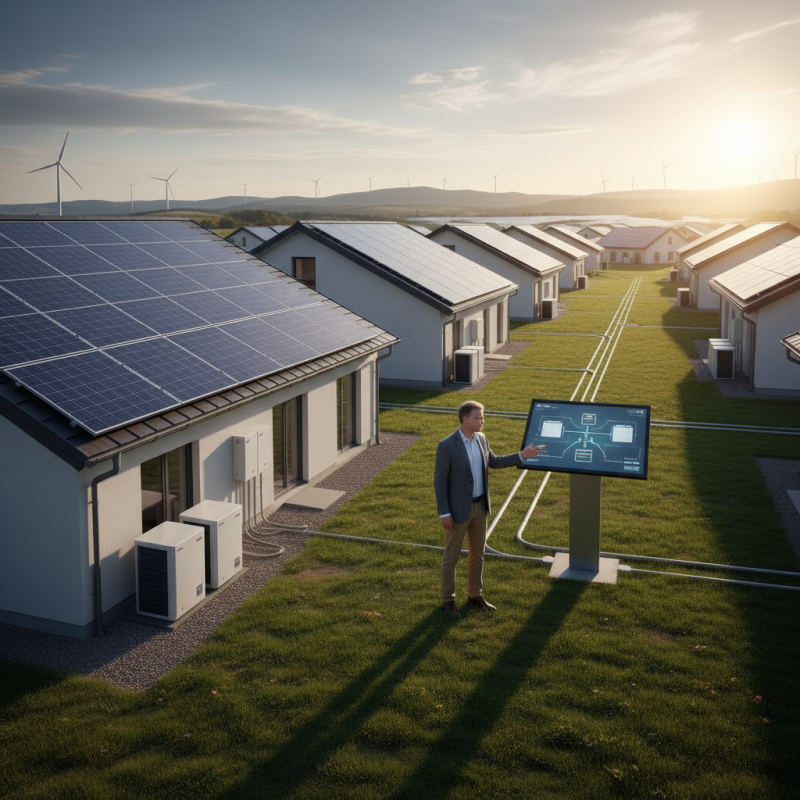
Understanding Solar Storage: Key Terminology and Technology Overview
Understanding solar storage is crucial for maximizing the benefits of solar energy systems. When we talk about solar storage, it often refers to battery storage solutions. These batteries store surplus energy generated during the day. This energy can be used later, especially during peak hours.
Key terminology is essential in this field. Terms like “energy density” and “cycle life” come into play. Energy density refers to how much energy a battery can store in a given size. Cycle life indicates the number of charge and discharge cycles a battery can endure. This can impact long-term costs. Choosing the right battery requires careful consideration.
Technology is evolving quickly. Lithium-ion batteries dominate the market now, yet they have limitations. They can be expensive and face capacity degradation over time. Meanwhile, newer technologies like solid-state batteries show promise. However, they are still in the research phase. Many potential users feel overwhelmed by these choices. It can be hard to make the right decision without thorough understanding.
Evaluating Energy Needs: Assessing Home and Business Consumption Patterns
Evaluating energy needs is crucial for effective solar storage solutions. Start by analyzing your home or business consumption patterns. Identify peak hours when electricity usage is highest. This will help in optimizing the battery storage capacity needed for your specific circumstances.
Tips: Consider a detailed daily energy diary. Write down when and how much energy you use. This exercise can reveal surprising consumption habits. Perhaps your refrigerator runs continuously, or your heating system spikes during certain months. Knowing these details can help in selecting the right solar storage system.
Don’t overlook seasonal changes. Energy needs can vary significantly with seasons. In winter, heating will require more energy. In summer, cooling systems take precedence. It is important to adjust your storage solution based on these fluctuations. Regularly revisiting your energy patterns can provide insights into efficiency opportunities. You may need more storage than initially estimated.
Types of Solar Storage Solutions: Batteries, Thermal Storage, and Beyond
When exploring solar storage solutions, it's essential to understand the types available. Batteries are the most common form. They store excess energy generated during the day for use at night. According to a recent industry report, the global battery storage market is predicted to reach 30 gigawatts by 2025. This growth showcases the increasing reliance on battery technology for residential and commercial needs.
Tip: Invest in lithium-ion batteries for efficiency. They have a longer lifespan and higher energy density. However, consider the environmental impact of battery production and disposal. The need for recycling programs is pertinent, as improper disposal can lead to pollution.
Thermal storage is another effective solution. This system uses heat instead of electricity. It stores energy in the form of hot water or molten salts. Such systems can significantly reduce energy costs, especially in large buildings. A study estimates that thermal storage could cut energy expenses by up to 40% in commercial spaces.
Tip: Evaluate your energy consumption patterns. Understanding peak usage times can optimize thermal storage systems. But be cautious; if not managed correctly, these systems might fall short when energy demand spikes unexpectedly.
Top Tips for Effective Solar Storage Solutions
| Storage Type | Description | Advantages | Disadvantages | Best Use Cases |
| Batteries | Electrochemical devices that store energy for later use. | Scalable, quick response, good for short-term storage. | Higher upfront costs, limited life cycles. | Residential energy storage, off-grid systems. |
| Thermal Storage | Stores energy in the form of heat for later use. | Cost-effective, long duration, can utilize existing infrastructure. | Slower discharge, requires larger physical space. | District heating, industrial processes. |
| Flywheels | Mechanical devices that store energy in rotational motion. | Rapid response, long cycle life, high power density. | High initial costs, mechanical wear over time. | Grid stability, frequency regulation. |
| Pumped Hydro Storage | Stores energy by moving water between two reservoirs at different elevations. | Large scale, proven technology, long duration. | Geographic limitations, environmental concerns. | Large-scale power plants, grid stability solutions. |
Analyzing Efficiency: Energy Retention Rates and System Lifespan
When considering solar storage solutions, energy retention rates are crucial. The efficiency of your system impacts how much energy you can utilize. Many systems may lose significant energy during storage. Therefore, it’s essential to choose one that minimizes these losses. Look for systems with high retention rates, ideally above 90%. Inadequate options may leave you with less available energy when you need it.
Lifespan is another critical factor. A system that lasts longer tends to offer better long-term value. Most solar batteries last between 5 to 15 years. Regular assessments of your system will help ensure optimal functioning over time. Replace older components if you notice performance issues. Keeping track of the lifespan can save you from unexpected costs.
Tips for effective storage solutions include regular maintenance checks. Make sure to monitor your system’s performance regularly. Consider investing in a smart monitoring tool. This gives real-time insights into energy usage. It can help you understand when to store excess energy and when to draw from it. This approach allows you to adapt to changing energy needs. Assessing your energy consumption regularly is always insightful. Understanding your patterns can improve efficiency. The wrong choices could lead to wasted potential.
Financial Considerations: Costs, Incentives, and Long-term Savings Potential
When considering solar storage solutions, financial aspects play a crucial role. Initial costs can be high. However, the long-term savings can be significant. Many homes find that installing a solar battery pays off over time. With the right setup, energy bills can be greatly reduced. Yet, it's essential to evaluate the specific needs of your household before committing.
Incentives can also affect financial outcomes. Government programs often offer tax credits or rebates. These can lower the overall costs. However, eligibility varies by region. It's important to research local offerings. Some installations might not qualify for incentives. This can lead to disappointment if expectations are not managed.
Long-term savings potential depends on various factors. Energy prices may fluctuate. Additionally, the maintenance of solar systems can incur costs. Some owners underestimate these expenses. Regular upkeep is necessary to ensure efficiency. Ultimately, careful budgeting and planning can lead to rewarding results. Financial benefits take time to realize, so patience is key.
Top Tips for Effective Solar Storage Solutions
