How to Install Roll Down Fire Doors Effectively?
Installing Roll Down Fire Doors is a crucial task for safeguarding buildings. These doors provide a barrier against fire and smoke, saving lives and property. However, proper installation is key to their effectiveness. Many overlook essential steps, leading to potential hazards.
Before beginning, it’s vital to select the right door. Each model varies in materials and specifications. A wrong choice can be costly. The installation environment also matters. Ensure that the space is clear and measurements are accurate. People often rush and miss this step, resulting in issues later.
During installation, attention to detail is paramount. Follow the manufacturer’s guidelines closely. Misalignment can lead to malfunction, compromising safety. It’s not uncommon for installers to encounter challenges. Some might consider shortcuts, but this can be detrimental in critical situations. Reflecting on these aspects can enhance the installation process significantly.
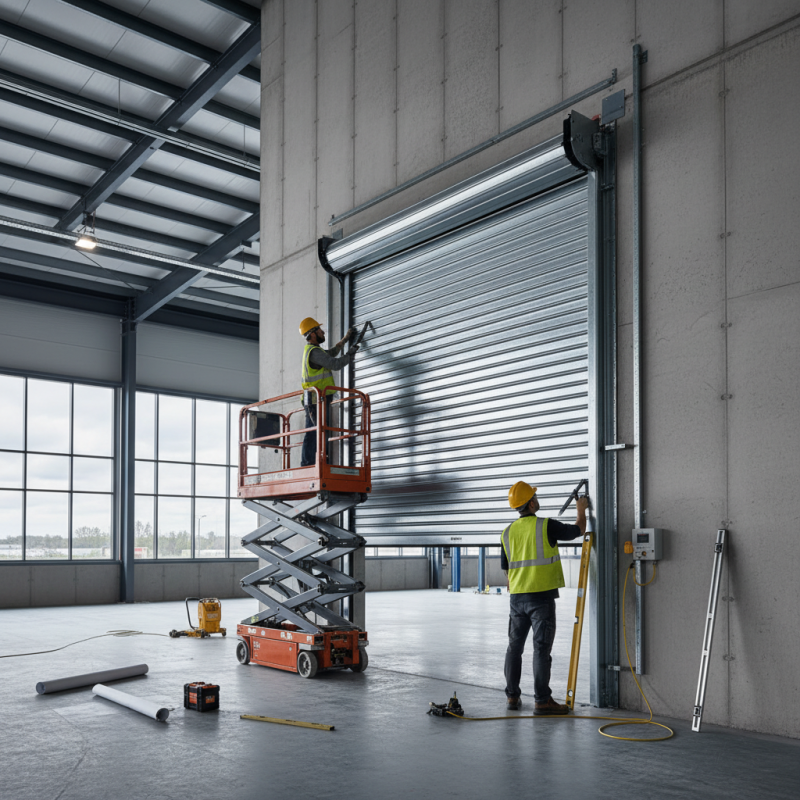
Understanding Roll Down Fire Doors and Their Importance
Roll down fire doors play a crucial role in fire safety. They are designed to prevent the spread of flames and smoke. By acting as a barrier, these doors protect lives and property. When a fire occurs, they automatically close to seal off areas. This can significantly slow down the fire's advancement, giving people more time to evacuate.
Installing roll down fire doors properly is critical. A poorly installed door may not function as intended. Regular inspection and maintenance are also essential. You cannot afford to overlook them. Fire doors need to be checked for proper alignment and operation. Ensure they close fully and seal tightly. Poor sealing can allow smoke to pass through. That can make a bad situation even worse.
Education is vital when it comes to roll down fire doors. Many people don’t understand their function or importance. Training staff on their proper use can save lives. Simple steps can make a big difference in an emergency. Having a plan in place is crucial. Yet, many facilities lack clear guidelines. This gap often leads to confusion when it matters most.
Essential Tools and Materials for Installing Roll Down Fire Doors
When preparing to install roll down fire doors, gathering the right tools and materials is crucial. A measuring tape is essential for accurate dimensions. You will also need a level to ensure the door aligns perfectly. Bolt cutters may be necessary for adjusting any metal components. A cordless drill is another key item, as it makes installation smoother and more efficient. Safety goggles are a must while working with power tools.
Materials should not be overlooked. High-quality fire door seals are critical for maintaining safety standards. You’ll also need screws and anchors compatible with your door's frame. Make sure to have a sturdy ladder on hand for installation at height. Having these items ready will streamline your process. However, it's easy to overlook minor details, like the thickness of your door frame. This can lead to compatibility issues later.
Double-checking your checklist might save you time. Rushing through the preparation can result in forgetting essential items. Keeping a notebook of measurements can help prevent errors. It’s best to take the time to plan effectively, even though it might seem tedious. Every detail counts when it comes to safety and functionality in fire door installation.
Step-by-Step Guide to Measuring and Preparing for Installation
Installing roll down fire doors can be straightforward with the right preparation. Accurate measurement is crucial. According to industry standards, incorrect measurements lead to a significant percentage of installation errors. For a proper fit, measure the width and height of the door opening three times. The largest measurement should be used. This ensures the door will function effectively in emergencies.
When preparing for installation, gather necessary tools and materials. Ensure you have the right screws, brackets, and safety gear on hand. A study by the Fire Protection Research Foundation reveals that improper installation can diminish the fire door's performance. Follow the manufacturer's guidelines closely. It’s essential to clear the area around the installation site. Any obstructions can lead to complications during the process.
Tips: Always double-check your measurements before cutting. Mistakes in cutting can be costly and time-consuming. Keep a note of any discrepancies during measurements. It helps identify potential issues early. Deep spot checks throughout the project reveal hidden problems. Consider consulting with a professional if you’re unsure.
Installing the Roll Down Fire Door: A Complete Walkthrough
Installing a roll down fire door requires careful attention to detail. Start by gathering all necessary tools and materials. You’ll need a level, drill, screws, and the door itself. Make sure the area is clear of debris. A clean workspace is crucial for a smooth installation process.
Begin by mounting the door's track. Use a level to ensure it’s straight. Misalignment could lead to operational issues later. Once the tracks are secure, install the door. This task can be cumbersome. It’s not unusual for the door to feel heavier than expected. Two people can make this easier.
After the door is in place, test its movement. It should roll down smoothly. If there are snags, adjust the tracks. Regular maintenance ensures longevity. Keep in mind that initial installation might not be perfect. Take time to refine areas that need work. Being patient and detail-oriented can prevent bigger problems down the line.
Installation Steps of Roll Down Fire Doors
Final Adjustments and Safety Checks After Installation
After installing roll down fire doors, it's crucial to conduct final adjustments and safety checks. Proper alignment is essential for optimal performance. The door should move smoothly and without obstruction. According to industry standards, a misaligned door can reduce its effectiveness by up to 30%. This statistic highlights why adjustments are critical.
Inspecting the components is also vital. Check the tracks and rollers for debris. Any buildup can affect the door's operation. Regular maintenance should include lubrication every six months. Performing these checks can extend the lifespan of the door significantly. A report by the National Fire Protection Association shows that regular maintenance increases reliability by 50%.
Finally, verify the emergency release mechanism. In the event of a fire, it must function perfectly. Perform a test to ensure it operates under stress. Many installations overlook this step, leading to dangerous outcomes. These minor checks make a significant difference in safety and performance. Ignoring them might lead to regret later.
