Top 10 Eave Lighting Ideas for Your Home How to Choose?
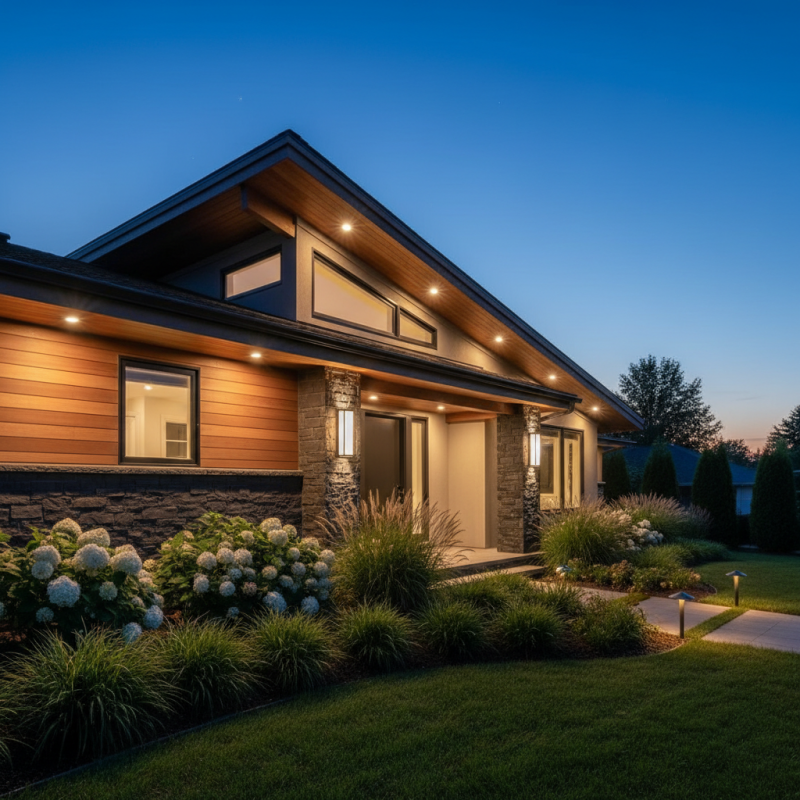
Eave Lighting can transform your home's exterior remarkably. It not only enhances curb appeal but also boosts safety and functionality. Selecting the right eave lighting ideas can be overwhelming, as numerous styles and fixtures are available.
Consider how your eave lighting will fit with your home's architecture. Some designs can clash, leading to an unsatisfactory outcome. Brightness and color temperature also matter. Aim for a warm glow to create a welcoming ambiance. A wrong choice can disappoint.
Innovative lighting options range from traditional sconces to modern LED strips. Some ideas may not work as expected and could require adjustments. Overall, finding the perfect eave lighting involves experimentation and reflection on what truly suits your space. Embrace the process, and let your creativity shine.
Eave Lighting Basics: Understanding Types and Functions
Eave lighting is more than just decoration; it serves vital functions. It enhances safety, guides visitors, and highlights architectural features. Understanding the types of eave lights is essential. There are mainly three: downlights, sconces, and string lights. According to industry reports, effective eave lighting can increase a home's perceived value by up to 10%. This makes it a worthwhile investment.
When choosing eave lighting, consider the style of your home. A modern house may benefit from sleek fixtures, while a traditional home might suit ornate sconces. Pay attention to brightness levels, too. Too much glare can be uninviting. Aim for a warm color temperature between 2700K and 3000K for a cozy feel.
Tip: Test various lighting positions before installation. This helps find the most flattering angles. Also, consider energy-efficient options like LED lights, which can lead to a 75% reduction in energy consumption. Do not ignore the potential for shadows. Inadequate placement can create dark spots, undermining the lighting's purpose.
Factors to Consider When Choosing Eave Lighting for Your Home
When choosing eave lighting, several factors come into play. The first is the purpose of the lighting. Is it for security, ambiance, or both? A study by the National Association of Home Builders suggests that 45% of homeowners prioritize safety when choosing outdoor lighting. When light fixtures are installed under eaves, they can enhance visibility at night. However, choosing the right brightness is crucial. Too bright can be glaring, while too dim may not provide adequate coverage.
Another factor is the style of your home. Lighting should complement your architecture. According to a report by the American Lighting Association, 65% of buyers consider design aesthetics equally important as functionality. Consider fixtures that match your home's exterior colors and style. Furthermore, energy efficiency is vital. LED lights use significantly less energy than traditional bulbs, which can lower your electricity bill. However, some homeowners overlook this benefit, opting for cheaper upfront costs instead.
Finally, installation location matters. Fixtures under eaves need protection from weather elements. Choosing the wrong location can lead to malfunctions or require more frequent replacements. The lighting's height and angle also affect its effectiveness. Homeowners often fail to consider these details, leading to disappointment. Planning and research become essential in making the right choice.
Top 10 Eave Lighting Ideas to Enhance Curb Appeal
Eave lighting can significantly enhance your home's curb appeal. According to a report from the American Lighting Association, well-placed outdoor lights can increase a home's value by up to 15%. When choosing eave lighting, consider how different styles work with your home's architecture.
Warm white lights give a cozy feel. Conversely, cool white lights offer a modern touch. Don't overlook the importance of color temperature. It impacts the overall ambience of your outdoor space. Think about LED options for energy efficiency; they use 75% less energy than traditional bulbs.
Tip: Position lights at an angle to create soft shadow effects. This adds depth to your home’s facade. Installing dimmers can provide flexibility for different occasions.
While aesthetics are crucial, functionality matters too. Place lights to illuminate pathways for safety. Be mindful of potential light pollution in your neighborhood. You might need to adjust brightness to maintain harmony.
Tip: Regular maintenance is essential. Dust and debris can dim your lights over time. Cleaning them can enhance brightness and longevity. Thoughtful installation and upkeep can greatly improve curb appeal and safety, creating an inviting atmosphere for guests.
Best Lighting Technologies for Eave Installations: LED vs. Others
When considering eave lighting for your home, selecting the right technology is crucial. LED lights stand out due to their efficiency. According to the U.S. Department of Energy, LED lights use up to 75% less energy than traditional incandescent bulbs. This significant reduction lowers energy bills and has a positive environmental impact. Yet, some homeowners hesitate. They worry about the initial cost of LED installations, thinking cheaper options might suffice.
When comparing lighting technologies, consider not just energy efficiency but also longevity. LED fixtures typically last up to 25,000 hours. In contrast, traditional bulbs may only last about 1,000 hours. While the upfront investment in LEDs can be higher, they save more over time due to their longer lifespan. However, the market availability of various alternatives can be confusing. Homeowners often find themselves overwhelmed. They might choose less efficient lighting simply because it’s easier to find.
Color temperature is another factor to remember. LEDs offer a range of options from warm to cool light. This variety allows you to create the perfect ambiance for your outdoor space. Nevertheless, some individuals may feel overwhelmed by the choices. Not everyone is comfortable with adapting to new lighting technologies. Therefore, it is essential to educate oneself before making a choice. Understanding these aspects can enhance your eave lighting experience.
Safety Tips for Installing Eave Lighting Fixtures Professionally
Installing eave lighting fixtures can enhance the beauty of your home. However, safety should always be a priority. It's essential to follow certain guidelines during the installation process. Proper planning and execution can prevent accidents.
Before climbing up on a ladder, ensure it is stable. If the ground is uneven, fix that first. Check your tools. Are they in good condition? Using faulty tools can lead to injury. Maintain a clear working area. Scatter materials can cause trips. Keep your workspace organized.
When it comes to wiring, it's crucial to adhere to electrical codes. If you're unsure, consult a professional. Attempting complex electrical work without proper knowledge can be dangerous. Consider using weatherproof fixtures. They protect against moisture and damage. Lastly, always turn off the power before starting any electrical work. It's a simple step that can save lives. Taking these safety precautions seriously ensures a successful installation.