How to Choose the Best Solar Wall Lights for Your Home?
When considering solar wall lights for your home, you want to make an informed decision. According to John Smith, a solar energy expert, "The right solar wall lights can enhance your outdoor space significantly." This statement rings true for many homeowners seeking both functionality and style.
Choosing the best solar wall lights is not just about aesthetics. You need lights that will last. Look for durable materials. Weather resistance is crucial for outdoor fixtures. Efficiency also matters. Solar panel quality affects charging capability. Make sure to read reviews and research different models.
Moreover, lighting intensity and color can transform your setting. A warm glow creates a cozy atmosphere, while brighter lights offer better security. Don't ignore placement either. Proper positioning can maximize the benefits of solar wall lights. It may take time to find the right options, but the results are worth it. Reflect on what your space truly needs.
Understanding the Different Types of Solar Wall Lights Available
When selecting solar wall lights, it's crucial to understand the different types available. There are several styles to choose from, each serving unique purposes.
Motion sensor lights are popular; they shine brightly when they detect movement. This feature can enhance security around your home. Even so, their sensitivity can lead to frequent activations. This might be frustrating if you live in a busy area.
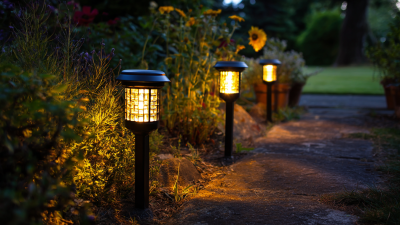
Another option is decorative solar lights. These typically have a soft glow and are great for ambiance. They can elevate your outdoor decor and create a warm atmosphere.
However, they may not provide as much illumination as motion sensor options. If you need bright light for safety, they might fall short.
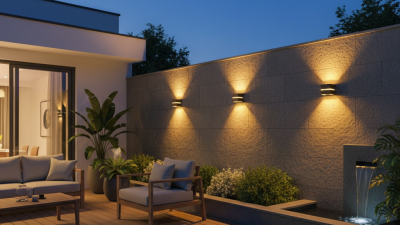
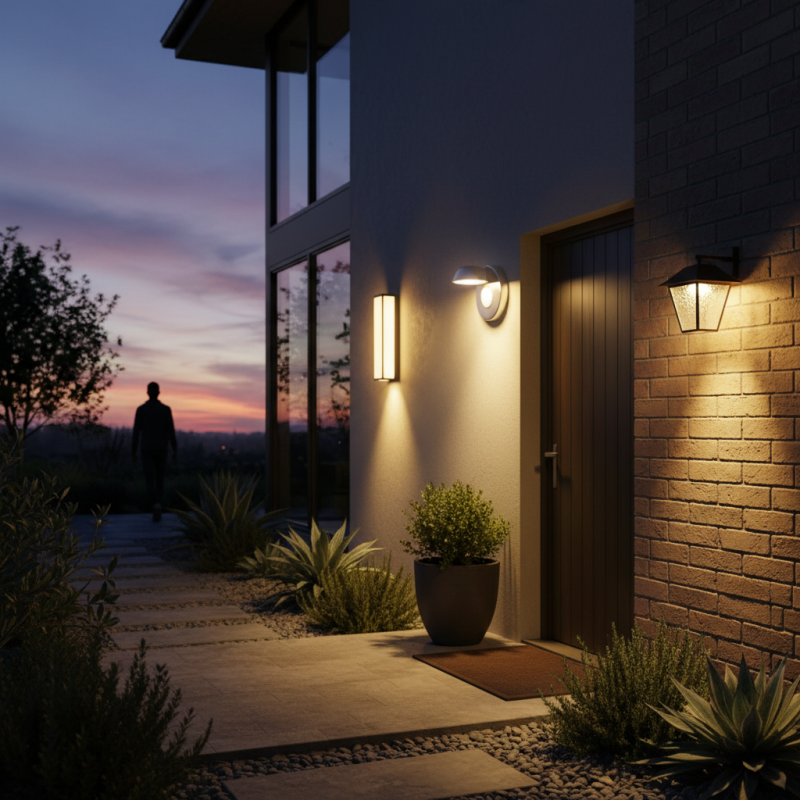
Wall-mounted solar sconces are also worth considering. They often blend style with functionality. These lights can complement various architectural designs, yet installation can be tricky. If not positioned correctly, you might miss out on their intended lighting effect. It's essential to experiment with placement to achieve the desired outcome. Understanding these types will help you make the right choice for your home.
Key Features to Consider When Selecting Solar Wall Lights
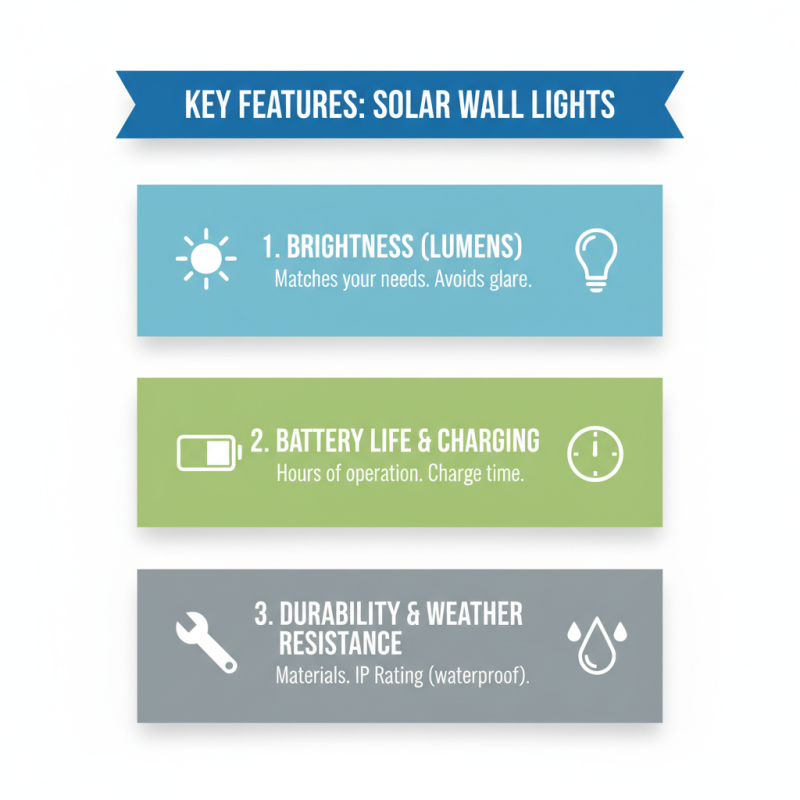
Choosing solar wall lights for your home is about more than just aesthetics. One key feature to examine is brightness. Different lights provide varying lumen outputs. Consider how much light you need for your space. Too dim, and it may not serve its purpose. Too bright, and it could create an uncomfortable glare.
Another consideration is battery life. Solar lights rely on sunlight to charge. Look for models with longer battery life for extended use during the night. Some models may not last as long as advertised. Reflecting on this, think about your area. If it's shaded, solar efficiency decreases, impacting your choice.
Durability also matters. Choose materials that can withstand the elements. Metal and high-quality plastic often perform better. But, cheaper options may not hold up over time. It's crucial to evaluate your climate and expected wear. Testing could also involve trial and error, as you may find that initial choices weren't ideal.
Evaluating Brightness and Energy Efficiency for Your Needs
When choosing solar wall lights, brightness and energy efficiency are crucial factors. Brightness is often measured in lumens. Aim for at least 100 lumens for noticeable illumination. Some reports suggest that 200-300 lumens work well for security purposes. Understand your specific needs. Do you want ambient light or a stronger beam? The brightness should match the area you intend to light.
Energy efficiency comes into play with solar panel quality. High-efficiency panels can convert more sunlight into power. According to industry data, panels with over 20% efficiency offer substantial benefits. They charge faster, even on cloudy days. Pair efficiency with a battery capacity of at least 2200 mAh. This ensures prolonged illumination during the night.
Tip: Assess the solar wall lights during various weather conditions. Do they perform reliably in the rain? Check customer reviews and energy efficiency ratings before purchasing. This can impact performance and overall satisfaction.
Remember, not all lights are made equally. Some may shine bright but drain battery life rapidly. Assess the specs carefully. It’s an investment that pays off in the long run. Quality often trumps quantity in this arena.
How to Choose the Best Solar Wall Lights for Your Home? - Evaluating Brightness and Energy Efficiency for Your Needs
| Feature |
Description |
Rating (1-5) |
| Brightness |
Measured in lumens. A higher lumen count indicates brighter light, suitable for security. |
4 |
| Energy Efficiency |
Look for solar lights with high-efficiency solar panels for better performance. |
5 |
| Battery Life |
Check how long the light stays on after charging. Long battery life is essential for effectiveness at night. |
4 |
| Durability |
Consider the material and weather resistance for longevity. |
5 |
| Design |
Choose a design that complements your home’s aesthetics. |
4 |
Choosing the Right Style and Design for Your Home
When choosing solar wall lights, style and design play crucial roles. Lighting can enhance the look of your home’s exterior. You should select fixtures that blend seamlessly with your architecture. For a modern home, sleek and minimalistic designs work well. Rustic homes may benefit from lantern-style lights that add charm. Consider the colors and materials too. Metallic finishes can modernize a space, while wood or glass provides a warmer feel.
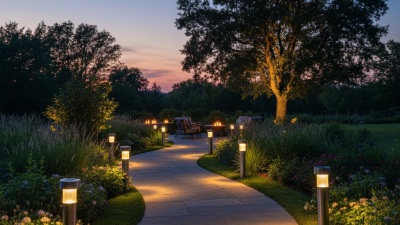
Functionality needs attention as well. It’s not just about looks. Think about how and where you'll use the lights. Wall lights near pathways should be bright enough for safety. If you want ambiance, choose softer lights with a flickering effect. Reflect on where you want to place these fixtures. Mounting lights too high may reduce their impact. Conversely, placing them too low might lead to safety issues. Try to visualize how each light will transform your area at night. The right combination of style and design can create an inviting atmosphere in your outdoor space.
Comparison of Solar Wall Light Features
Installation Tips for Optimal Performance of Solar Wall Lights
When installing solar wall lights, consider the location carefully. Place lights in areas with ample sunlight. This ensures optimal charging during the day. Avoid shaded spots that can hinder performance. If you notice shadows, it's time to rethink placement.
Take caution with installation height. Lights should be installed at a height that is noticeable but not obstructive. A common mistake is placing them too high or low. Aim for a height of around six to eight feet. This height allows for adequate illumination while maintaining safety.
Don’t overlook the angle of the solar panel. Always tilt the panel toward the sun. This small adjustment can significantly enhance energy collection. Test different angles if necessary. Also, ensure that the lights are securely mounted. Loose installations can lead to misalignment over time. Reflect on your choices post-installation. Improved performance requires constant evaluation and adjustment.