How to Choose the Best Solar Wall Lights for Your Outdoor Space?
Choosing the right solar wall lights is vital for enhancing outdoor spaces. Solar wall lights combine functionality and sustainability. According to the Solar Energy Industries Association, solar energy installations grew by over 20% last year. Many homeowners are now investing in these eco-friendly lighting solutions.
Solar wall lights offer benefits beyond aesthetics. They help reduce energy bills while promoting a sustainable lifestyle. However, the market is flooded with options. Not all solar wall lights provide the same efficiency or durability. Researching the right features is essential to avoid poor purchases.
Many options may look appealing but underperform in real-life conditions. Factors like brightness, battery life, and material quality matter significantly. Understanding these elements can make a big difference in long-term satisfaction. Investing in high-quality solar wall lights often pays off. Reflecting on your specific needs is key. Choosing wisely enhances both beauty and functionality in your outdoor environment.
Factors to Consider When Selecting Solar Wall Lights for Outdoor Areas
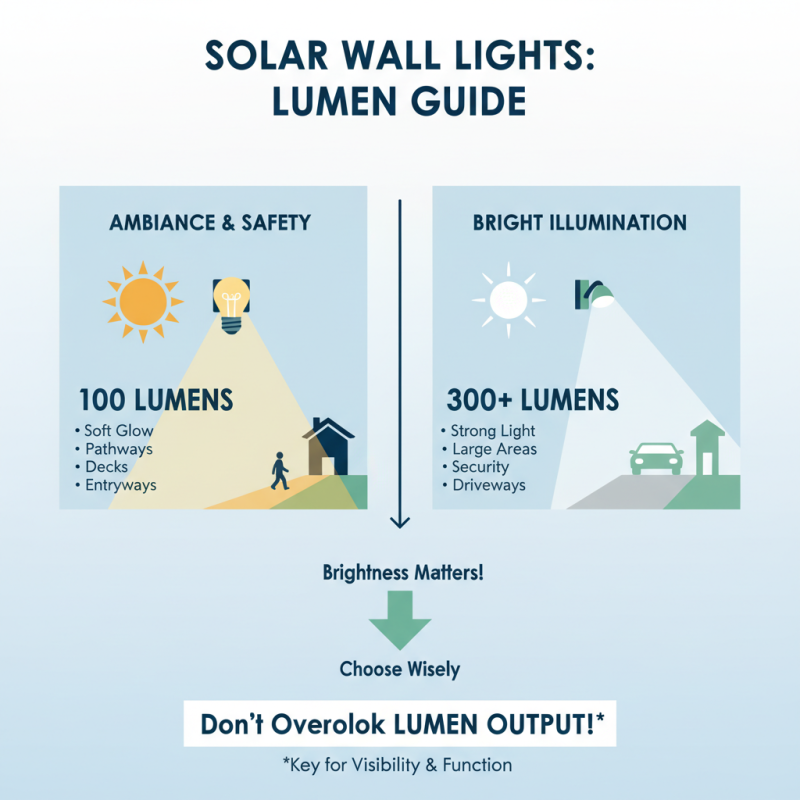
When selecting solar wall lights for outdoor areas, consider the brightness level you need. The lumen output can significantly affect visibility. For instance, lights that produce 100 lumens are adequate for safety and ambiance, while those over 300 lumens can illuminate pathways effectively. Many users overlook this essential factor, assuming all solar lights provide the same brightness.
Energy efficiency is another critical aspect. According to a 2023 market analysis, models with LED bulbs offer 80% more efficiency than traditional bulbs. This efficiency translates to longer usage times and lower replacement costs. However, not all LED options are equal. Research shows that using high-quality solar panels can enhance energy absorption and prolong battery life.
Durability is also worth considering. Many outdoor lights face harsh weather conditions, yet some models only last a season. The material of the light fixture matters here. Plastic might be cheaper, but it degrades faster under UV exposure. Metal fixtures can withstand more wear but may rust if not coated properly. Users should reflect on where they plan to install the lights before making a choice.
Understanding Lumens: Brightness Requirements for Outdoor Lighting
Choosing the right brightness for solar wall lights is vital for outdoor spaces. Lumens measure brightness. Higher lumens mean brighter lights. When selecting lights, consider the area you want to illuminate. A pathway may need fewer lumens. A patio or outdoor seating area might require more light.
Tips for choosing the right lumens: Aim for 100-200 lumens for pathways. For porch lights, look for 200-300 lumens. If you need more security, 300+ lumens is recommended. Remember, too much brightness can be uncomfortable. It's a balance.
Consider the mood you want to create. Soft, warm light can be inviting. Bright, white light can feel harsh. Experiment with different placements. Test how lights enhance your space. It’s okay if it doesn’t work out the first time. Adjustments are part of the process.
Battery Capacity and Solar Efficiency: Key Metrics for Longevity
Choosing the right solar wall lights for your outdoor space involves understanding battery capacity and solar efficiency. Battery capacity determines how long your lights can shine during the night. If the capacity is small, the lights won’t last long after sunset. It's vital to check how many hours of light are produced after a full day of charging. Some lights may claim impressive run times, but real-world performance can be quite different.
Solar efficiency is another critical factor. This metric indicates how well the panels convert sunlight into energy. Higher efficiency means brighter lights and longer working hours. However, real-life conditions can affect solar performance. For example, cloudy days can reduce energy absorption significantly. If the solar panel is not angled properly, it may receive less sunlight than expected.
In addition to these metrics, consider the environment your lights will be in. Shadows from nearby trees or buildings can hinder solar performance. If the area doesn't get enough sunlight, even the best solar lights may struggle. Evaluating your outdoor conditions is just as crucial as checking technical specifications. You'll want to ensure you choose wisely, balancing all factors for the best results.
Design and Aesthetics: Matching Solar Lights to Your Outdoor Décor
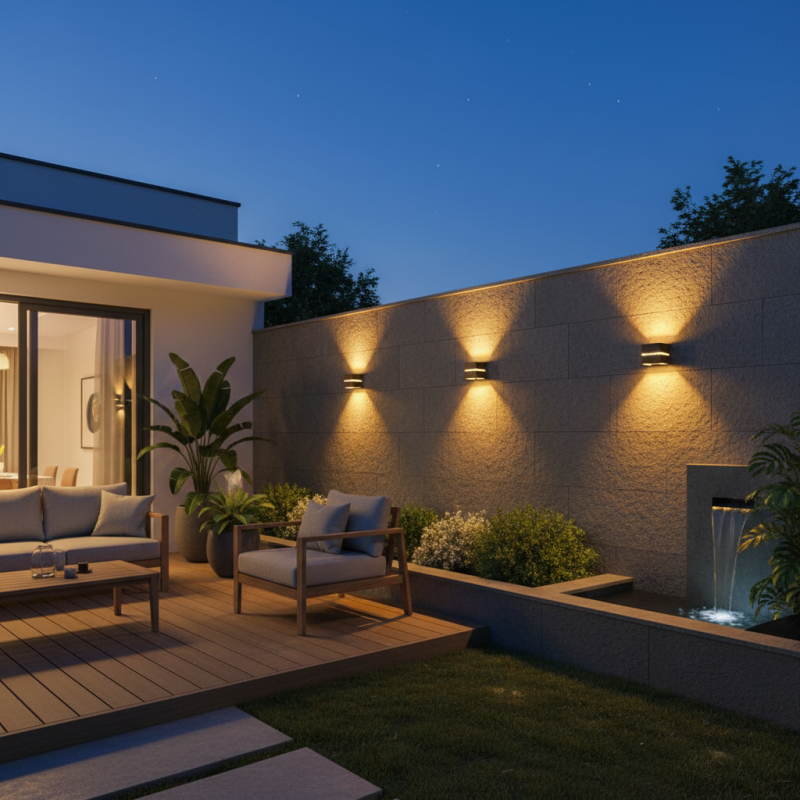
When selecting solar wall lights, consider your outdoor décor. Think about the style of your home. Are you leaning towards modern, rustic, or traditional? The right solar lights should harmonize with the existing elements. If your space features sleek furniture, choose minimalist lights. They should complement, not clash.
Look at the materials and colors. A metal finish might suit a contemporary garden, while wooden accents fit better in a country setting. Don't forget about the quality of light. Warm tones create a cozy vibe, while brighter whites are more energetic. Balancing these aspects can enhance your outdoor area significantly.
Reflection is essential. Sometimes, the chosen lights may not fit as expected. Over time, you might wish for more versatility. It’s okay to change your mind. Adapting your choice can lead to a more inviting space. Pay attention to how the lights behave through different seasons. This ongoing evaluation ensures a beautiful outdoor environment year-round.
How to Choose the Best Solar Wall Lights for Your Outdoor Space?
This bar chart represents various design preferences for solar wall lights among homeowners, focusing on matching lights to outdoor decor styles.
Durability and Weather Resistance: Ensuring Long-Lasting Performance
When selecting solar wall lights for your outdoor space, durability and weather resistance are critical factors. Good lights should withstand harsh weather conditions. Heavy rain, strong winds, and intense sunlight are common challenges. Look for lights made from rust-resistant materials that can endure the test of time. Plastic may fade, while metal can corrode.
Pay attention to IP ratings. A rating of IP65 or higher indicates good protection against water and dust. These ratings aren't always clear, so don't hesitate to ask questions. For optimal performance, consider the light's UV resistance. Sunlight can wear out materials quickly, leading to premature failure.
Tips: Check for sturdy mounting options. Lights that shake or wobble can break easily. Regular maintenance is also vital. Clean dirt from the solar panels to improve performance.
Another thing to consider is battery life. High-quality batteries can last longer, ensuring your lights shine bright through the night. Cheap options may require frequent replacement, adding to costs. Assess your climate and installation site to choose lights that suit your needs best. Remember, what looks good today may not last tomorrow if it can’t handle the elements.