How to Choose Solar Powered Lights for Your Outdoor Space?
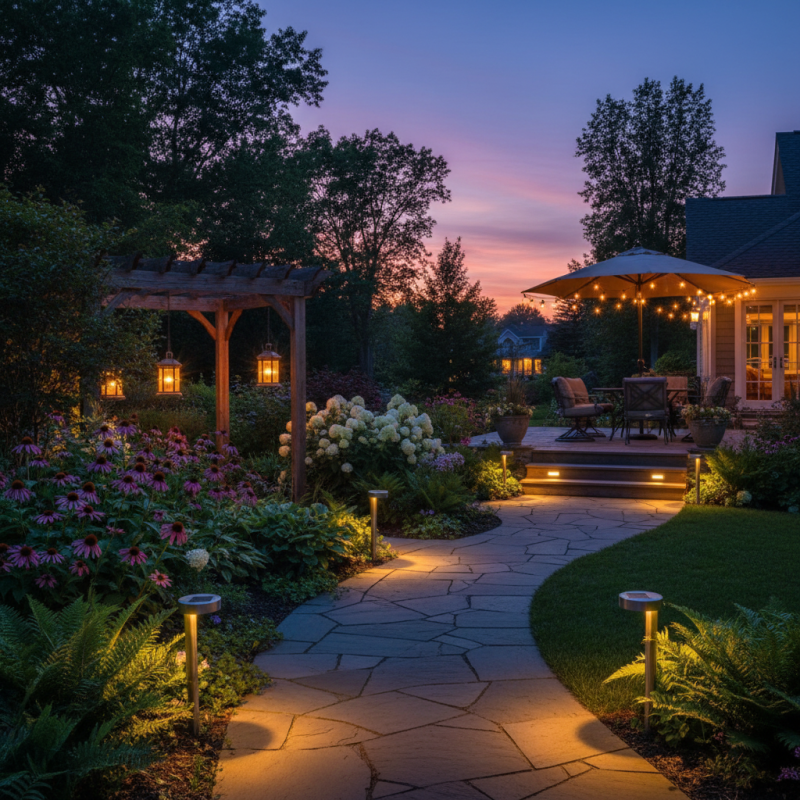
Choosing solar powered lights outdoor for your space can transform it beautifully. These lights not only enhance aesthetics but also improve safety. However, picking the right type is crucial.
Consider the location of your outdoor space. Will the lights be in a garden, pathway, or patio? Different areas might require different styles and brightness. The design of the lights matters, too. You might prefer modern sleek designs or traditional lantern styles. The choice can reflect your personality.
Pay attention to solar panel quality. Some lights charge faster and last longer than others. Also, think about how they will blend with the environment. Will they stand out or complement the surroundings? Many people overlook this and choose solely based on price. Always remember, functionality should not sacrifice style. Explore various options, and don’t rush your decision; it deserves thoughtfulness.
Factors to Consider When Choosing Solar Powered Lights for Outdoors
When selecting solar powered lights for your outdoor space, consider several critical factors. One primary aspect is the brightness level, measured in lumens. A standard outdoor solar light ranges from 50 to 150 lumens. For larger areas, like pathways or gardens, aim for lights with higher output. However, excessive brightness can be overpowering. Balance is key.
Efficiency is another crucial factor. Solar panel quality influences how well lights perform. According to the National Renewable Energy Laboratory, high-efficiency panels can convert 20% of sunlight into energy. This means more power for your lights. However, some brands compromise panel quality for cost.
Tip: Test the lights in open spaces. Shadows can reduce brightness significantly.
Durability is essential for outdoor lights as well. Weather-resistant materials are a must. Many models have an IP rating, indicating water and dust resistance. An ideal rating is IP65 or higher. But remember, even quality lights can fade over time.
Tip: Look for lights with replaceable batteries. This extends usability and reduces waste.
Lastly, consider the installation process. Some lights require more effort due to mounting systems or programming settings. Easy installation is often overlooked. Yet, it should not be.
With many factors at play, ensure to research properly. Mix practicality with aesthetics for optimal results.
Types of Solar Powered Lights and Their Applications in Outdoor Spaces
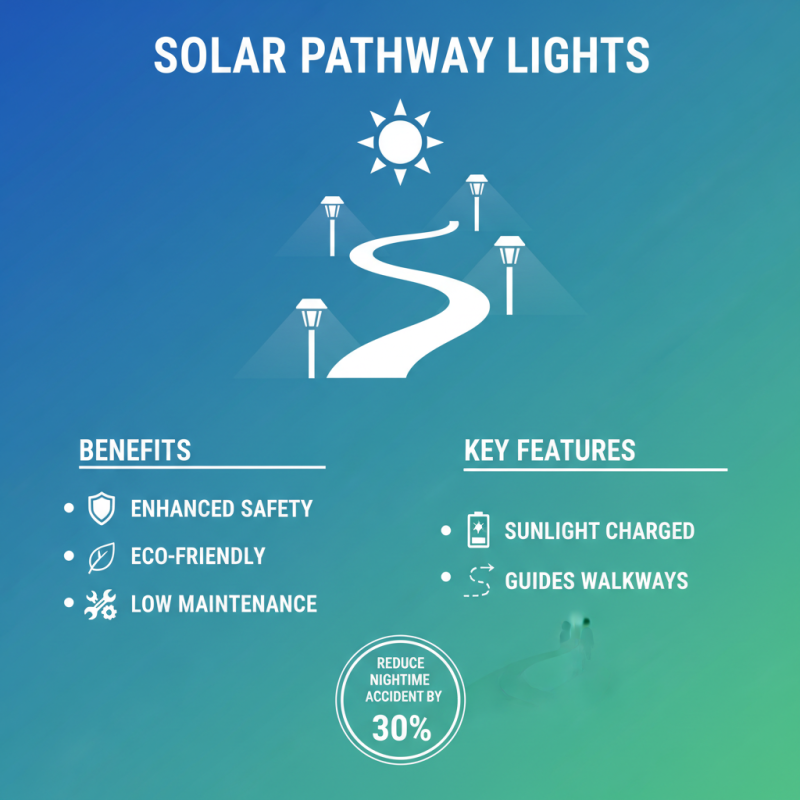
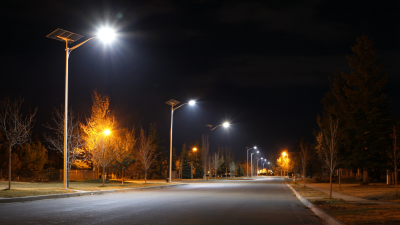
Solar-powered lights come in various types, each suited for specific outdoor applications. Pathway lights are popular for illuminating walkways. They provide safety and guide guests. A study by the Solar Energy Industries Association indicated that outdoor lighting can reduce accidents by up to 30%. These lights require minimal maintenance, relying on sunlight to recharge.
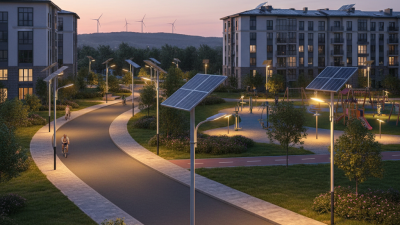
Flood lights offer wide coverage and are ideal for security purposes. Many homeowners use them to light up large areas such as driveways and gardens. They're also suitable for recreational spaces. However, positioning these lights correctly is crucial. If placed too high, they can create shadows. Conversely, too low might illuminate unwanted areas.
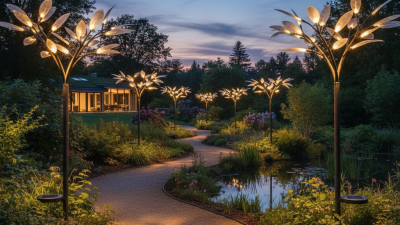
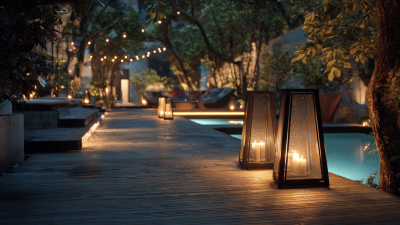
Decorative solar lights serve aesthetic purposes. They enhance gardens and patios, creating beautiful ambiances. Yet, not all decorative options provide strong illumination. Some might disappoint in dimly lit spaces. Homeowners should consider their specific needs. Sometimes, combining different types yields the best results. Experimenting is essential for perfecting your outdoor lighting strategy.
Important Specifications: Lumens, Battery Capacity, and Lifespan
When choosing solar-powered lights for your outdoor space, focus on crucial specifications. Lumens measure brightness. Higher lumens mean brighter lights. For pathways, aim for 100-200 lumens. For larger areas, 300 lumens or more is ideal.
Battery capacity is another vital factor. Most solar lights have batteries between 600 to 4000 mAh. A higher capacity ensures longer use. You want your lights to last through the night. Typically, lights with about 2000 mAh can last up to 8 hours on a full charge. Consider the energy consumption of the bulbs in use, too.
**Tip:** Check the lifespan of the lights. Many solar lights can last 5 years or more, but this varies. Poor-quality units often fail early. Avoid brands with limited warranties; these are often red flags. Look for lights with durable materials, like weather-resistant plastics or metals.
**Tip:** It's worth noting that not all lights work well in shaded areas. If your outdoor space is heavily shaded, select lights designed specifically for such conditions. They may use more efficient solar panels. Make informed choices based on your specific needs and conditions.
Comparison of Solar Powered Lights Specifications
Best Practices for Positioning Solar Lights for Maximum Efficiency
Positioning solar powered lights effectively can transform your outdoor space. Consider the placement of these lights carefully. They should ideally be installed where they will receive maximum sunlight during the day. South-facing areas are usually the best. If trees or buildings block sunlight, your lights won’t charge effectively.
Check the shadow patterns in your yard throughout the day. Position lights where shadows are minimal. Place them at least two feet above the ground. This helps to increase visibility and prevents obstructions. Think about the ambiance you want to create in your yard. Do you want soft illumination, or are you aiming for bright security lighting?
Experiment with different angles and heights. It might take a few tries to find the perfect setup. Some areas may require more lights than others. Don’t hesitate to rethink your initial arrangement if the results are unsatisfactory. The goal is to create a welcoming atmosphere while ensuring your solar lights perform at their best.
How to Choose Solar Powered Lights for Your Outdoor Space? - Best Practices for Positioning Solar Lights for Maximum Efficiency
| Dimension |
Recommendation |
Expected Efficiency |
| Location |
Place in direct sunlight for at least 6 hours |
Up to 100% efficiency during nighttime |
| Height |
Install 7-12 inches above ground |
Optimal light spread |
| Angle |
Tilt towards the south (in Northern Hemisphere) |
Maximizes solar absorption |
| Spacing |
6-10 feet apart for pathway lights |
Consistent illumination |
| Type |
Choose LED for better efficiency |
Longer lifespan and lower energy usage |
Environmental Impact and Energy Savings of Solar Lighting Solutions
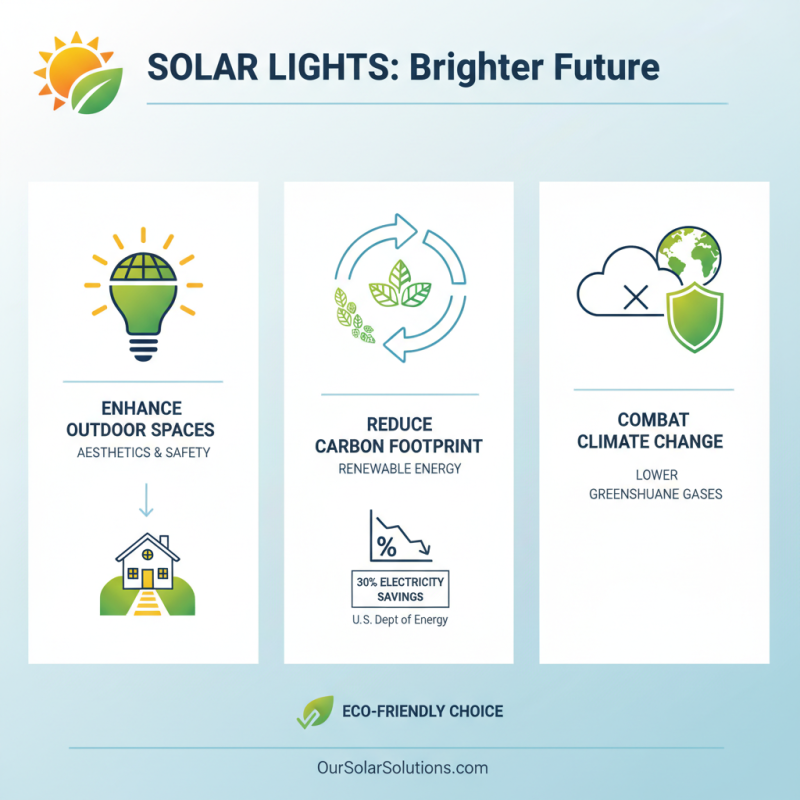
Choosing solar-powered lights not only enhances outdoor spaces but also significantly impacts the environment. The adoption of solar lighting solutions can reduce carbon footprints, as they utilize renewable energy. According to the U.S. Department of Energy, using solar lights can cut electricity usage by over 30%. This shift contributes to a decrease in greenhouse gas emissions, helping combat climate change.
The energy savings from solar lighting are compelling. Solar lights draw energy from the sun, which is free and abundant. A study by the National Renewable Energy Laboratory found that solar lighting can save homeowners up to $300 annually on energy bills. However, the initial investment in quality solar products may deter some users. Yet, the long-term savings can outweigh these upfront costs, making it a sound investment over time.
It’s important to consider local weather and sunlight conditions. Not all locations receive ample sunlight, which can affect solar light efficiency. Additionally, varying battery qualities may influence performance. Users should research thoroughly and choose options that align with their specific circumstances and expectations. The balance between cost, quality, and environmental benefits can be challenging but worth exploring.