How to Choose the Best Solar Street Lamp for Your Needs?
Choosing the right solar street lamp is crucial for enhancing safety and aesthetics in public spaces. According to Dr. Lisa Green, a leading expert in renewable energy, "The right solar street lamp can transform a neighborhood." Her insight underscores the importance of informed decision-making.
When selecting a solar street lamp, consider functionality and efficiency. The best lamps have high lumens output and longer battery life. Features like motion sensors and adjustable brightness can also be valuable. It’s not just about brightness; it’s about the lamp's adaptability to various environments. Ensure that the selected model fits the specific need of your area.
However, not all solar street lamps are made equal. Some may claim efficiency, yet fall short in real-world applications. It's essential to research brands and products thoroughly. Customer reviews can be enlightening but take them with a grain of caution. Looking for expert opinions helps, too. Ultimately, the right choice should provide both reliability and performance, creating safer, more inviting streets.
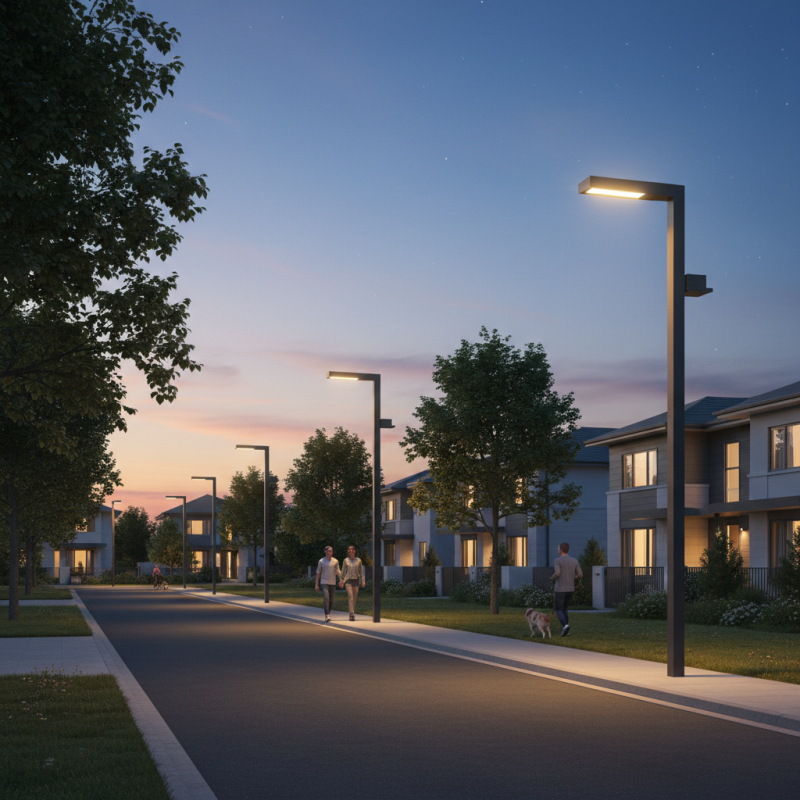
Factors to Consider When Choosing a Solar Street Lamp
When choosing a solar street lamp, several key factors should be considered. Start with the brightness level. It's important to assess the wattage and lumen output. A higher lumen output means brighter light at night, but it may also require more solar energy. For residential areas, softer light is often sufficient, while parks and busy streets may need stronger options.
Next, examine the solar panel efficiency. Look for panels made from high-quality materials that can capture sunlight effectively. A good panel will charge the lamp quickly, even on cloudy days. Battery capacity is also crucial. Larger batteries can store more energy, supporting longer usage times.
Consider the installation process too. Some lamps come with user-friendly installation guides, while others may require professional help. Durability matters, especially in harsh weather. Materials like aluminum and tempered glass often perform better against the elements. Don’t forget about design. Style may influence your choice, but functionality should come first. Balancing aesthetics with performance can be challenging but is worth the effort. Each factor contributes to your overall satisfaction. Reflect on your specific needs before making a decision.
Types of Solar Street Lamps and Their Applications
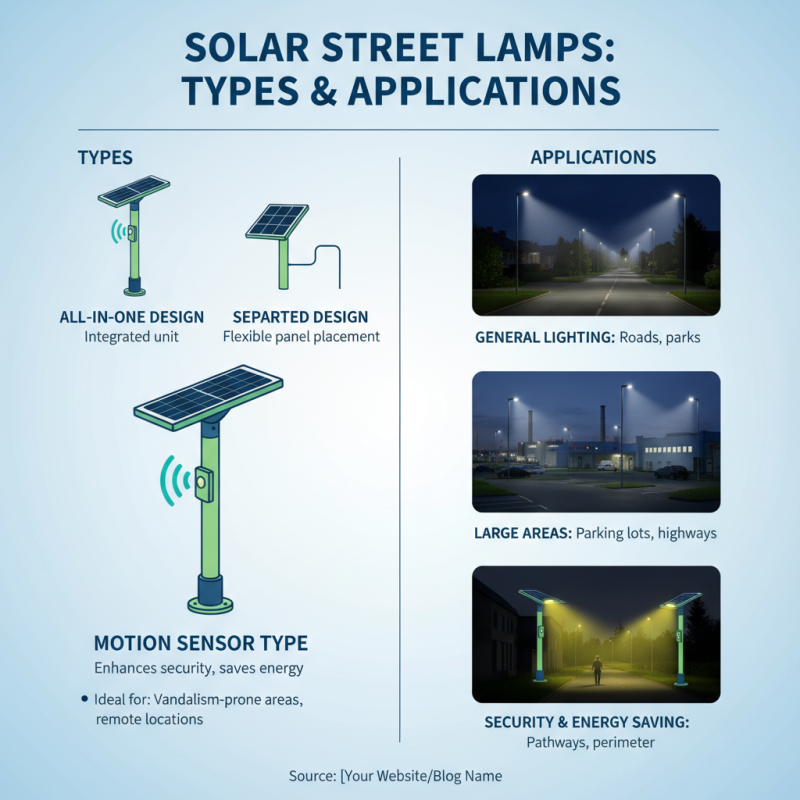
When selecting a solar street lamp, understanding the types available is crucial. There are various designs, each serving different applications. For instance, solar street lamps with motion sensors excel in enhancing security. They illuminate only when movement is detected, saving energy. This feature is ideal for areas prone to vandalism or theft.
Another option is solar street lamps with integrated LED technologies. These models deliver high brightness and longer operational hours. They are well-suited for busy roads and urban environments. In contrast, decorative solar lamps can enhance the aesthetic appeal of parks and residential areas. Their soft lighting creates a welcoming atmosphere but may lack intense illumination. It is essential to balance functionality with style when making a choice.
Consider your specific needs before deciding. Reflect on the placement area and environmental factors, like sunlight exposure. Some lamps may require direct sunlight, while others can still perform well in partial shade. It is important to research and collect insights from various sources. Your selection process should not only focus on aesthetics but also practical requirements.
Key Features to Look for in Solar Street Lamps
When selecting a solar street lamp, consider several key features. A crucial aspect is the brightness level. Higher lumens indicate brighter light, which is essential for security and visibility. Ensure the lamp's brightness aligns with your area’s needs. Look for adjustable brightness settings. This grants flexibility in light intensity based on specific situations.
Additionally, the lamp’s battery capacity matters. A good battery ensures all-night illumination. Check the type of battery used. Lithium batteries usually last longer and offer quicker charging. Size also plays a role. Larger solar panels often harness more sunlight, extending operational time. Evaluate the solar panel efficiency too. More efficient panels convert sunlight into energy better.
Finally, consider the weather resistance of the lamp. It must withstand local climatic conditions. A durable lamp will perform well in rain or extreme heat. While features are vital, pay attention to installation requirements. Some lamps may require professional installation, adding extra costs. Reflect on the balance between features and your budget before making a decision.
Assessing Your Lighting Needs and Area Coverage
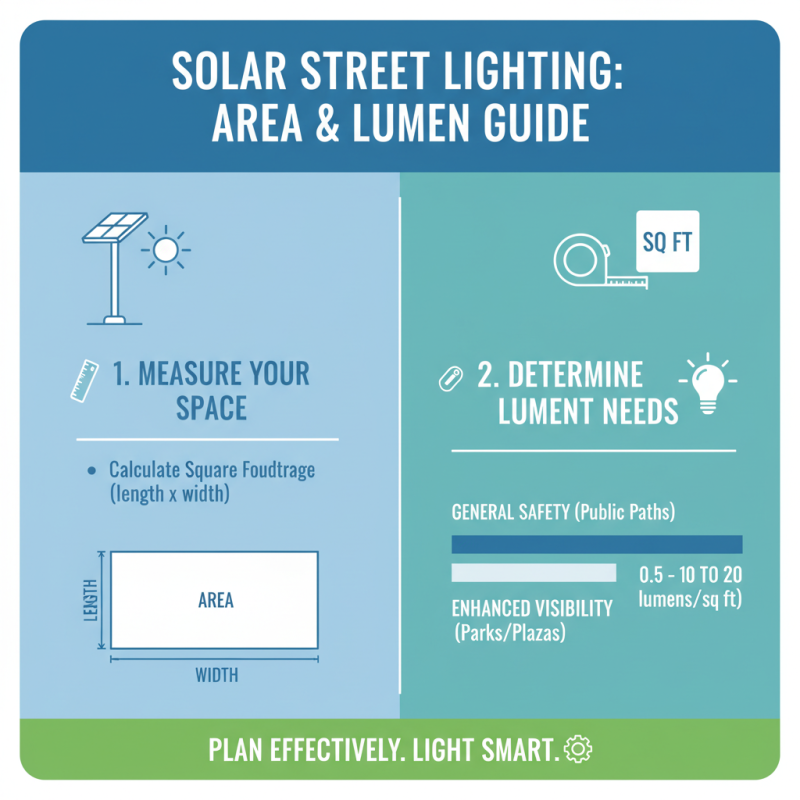
When assessing your lighting needs for a solar street lamp, start by evaluating the area you intend to illuminate. It is essential to measure the square footage of the space. Research shows that 0.5 to 1.5 lumens per square foot are necessary for general safety in public areas. For parks or plazas, you might need up to 20 lumens per square foot for enhanced visibility. Therefore, understanding your specific requirement is critical for effective planning.
Next, consider the type of environment where the lamp will be installed. Urban areas often have different needs than rural settings. For example, urban spaces may require directed light to minimize light pollution, while rural areas can benefit from broader illumination. The directionality and coverage of the light play significant roles here. Data suggests that improper placement can reduce efficiency by up to 30%. This highlights the importance of strategic positioning to maximize coverage and effectiveness.
Finally, do not overlook aspects such as battery capacity and solar panel effectiveness. A study found that solar panels can lose efficiency after several years, impacting lighting performance. Regular maintenance is necessary to ensure optimal operation. A good solar street lamp should have replaceable batteries and easy-to-access parts for servicing. This approach enables long-term reliability, but challenges persist in consistently achieving the desired durability and functionality across various models.
Budgeting for Your Solar Street Lamp Investment
When budgeting for a solar street lamp, consider total costs versus short-term savings. According to the U.S. Department of Energy, investing in solar lighting can save 60-80% on energy costs annually. It's crucial to evaluate the installation and maintenance costs as well. Some units may require higher upfront investments, but they often yield lower long-term expenses.
Evaluate local incentives and rebates. Many municipalities support solar energy projects, reducing your initial costs significantly. A report from the Solar Energy Industries Association indicates that many cities have introduced programs that encourage the adoption of solar technology. Take the time to research what is available in your area.
Analyze the specifications relevant to your needs. Not all solar lamps are created equal. Factors like brightness, solar panel size, and battery life directly influence performance and satisfaction. Industry reports show that inadequate solar lamps often result in dissatisfaction, urging meticulous selection. Be prepared to reassess your options. Sometimes, the cheapest option may lead to increased costs over time due to poor performance or frequent replacements.