How to Choose the Best Solar Powered Lights for Your Outdoor Space
As the demand for sustainable and eco-friendly solutions continues to grow, solar powered lights have emerged as a popular choice for enhancing outdoor spaces while minimizing energy consumption. According to a report by the International Energy Agency (IEA), solar energy could contribute significantly to the world's access to energy, with solar technology expected to account for nearly 15% of global electricity generation by 2040. This shift towards renewable energy not only aligns with environmental goals but also provides homeowners with a cost-effective lighting solution that harnesses the power of the sun.
When choosing the best solar powered lights for your outdoor area, it's essential to consider various factors that ensure optimal performance and longevity. The market for solar lighting is expected to grow, with a projected compound annual growth rate (CAGR) of 20% by 2025, driven by technological advancements and the increasing popularity of energy-efficient solutions. Understanding the different types of solar powered lights available, their features, and the benefits they bring can help homeowners make informed decisions that enhance both safety and aesthetics in their outdoor environments.
Understanding Different Types of Solar Powered Lights for Outdoors
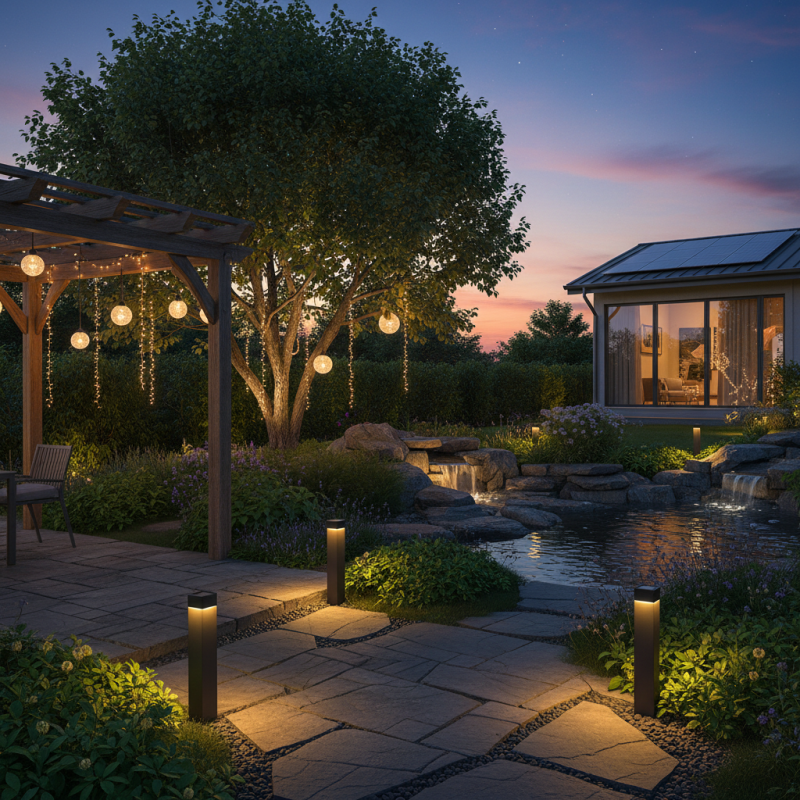
When selecting solar powered lights for your outdoor space, it's essential to understand the various types available to ensure you make an informed choice.
Solar garden lights, for example, are typically low-level fixtures designed to illuminate pathways and flower beds. According to a report by the International Solar Alliance, the adoption of solar garden lights has increased by 20% over the last three years due to their ability to enhance outdoor aesthetics while being energy-efficient.
Another popular option is solar flood lights, known for their powerful illumination suited for larger areas. These lights often come equipped with motion sensors, which can enhance security by activating only when movement is detected. A study by the Solar Energy Industries Association found that solar flood lights can reduce energy costs by up to 80% compared to traditional lighting, making them a cost-effective solution for homeowners looking to improve safety around their properties.
Additionally, solar string lights have gained traction for their versatility and decorative appeal. Ideal for patios and decks, these lights add ambiance to outdoor gatherings and can operate for several hours on a single charge.
According to Market Research Future, the market for solar decorative lights is expected to grow significantly, projecting a CAGR of 15.3% over the next five years as homeowners increasingly seek sustainable and aesthetic lighting solutions. Understanding these different types of solar powered lights can help you create a functional and inviting outdoor environment.
Evaluating Brightness and Lumens for Effective Outdoor Lighting
When selecting solar powered lights for outdoor spaces, evaluating brightness and lumens is a crucial factor that can significantly impact your lighting experience. Lumens measure the amount of light emitted by a light source, which directly correlates to how bright a light appears. For outdoor applications, higher lumens generally indicate a brighter light, making it more suitable for illuminating pathways, gardens, or any areas requiring visibility after sunset. For example, lights that emit between 100 to 500 lumens are typically adequate for basic outdoor decor, while spaces that require enhanced security or brighter illumination may benefit from fixtures that provide 600 lumens or more.
Additionally, it’s essential to consider the color temperature of the lights, as this can affect how the brightness is perceived. Lights with a warm white temperature (around 2700K to 3000K) create a cozy atmosphere, making them ideal for patios and relaxation areas. In contrast, cooler white lights (above 4000K) can encourage alertness and are often used in security lighting. Understanding your specific needs — whether for ambiance or functionality — alongside lumens and color temperature will guide you in choosing the best solar powered lights that enhance your outdoor space effectively.
How to Choose the Best Solar Powered Lights for Your Outdoor Space
| Light Type |
Brightness (Lumens) |
Battery Life (Hours) |
Charging Time (Hours) |
Water Resistance Rating |
| Pathway Lights |
100-200 |
8-10 |
6-8 |
IP65 |
| Flood Lights |
300-600 |
10-12 |
6-7 |
IP67 |
| String Lights |
50-100 |
6-8 |
4-6 |
IP44 |
| Spotlights |
200-400 |
10-14 |
6-8 |
IP65 |
| Wall Lights |
150-300 |
8-10 |
4-6 |
IP54 |
Assessing Battery Life and Charging Efficiency of Solar Lights
When selecting solar powered lights for your outdoor space, understanding battery life and charging efficiency is crucial. The performance of solar lights heavily relies on the quality and capacity of their batteries. Generally, lithium-ion and nickel-metal hydride batteries are the most common types used. Look for lights that offer at least eight hours of illumination after a full charge, indicating a reliable battery life. Additionally, the capacity, typically measured in milliampere-hours (mAh), directly influences how long the light will operate and how effectively it can store energy during daylight.
Charging efficiency is another key factor to consider. Solar lights rely on solar panels to convert sunlight into energy, so the design and placement of these panels can significantly impact performance. Opt for lights with higher-efficiency solar panels that can capture more sunlight, even in overcast conditions. Factors such as the angle of the solar panel, its size, and location can affect charging speed and effectiveness. Ensuring that your solar lights have proper exposure to sunlight can help maximize their charging capability and, consequently, their overall performance during the night.
Choosing the Right Placement for Maximum Sun Exposure
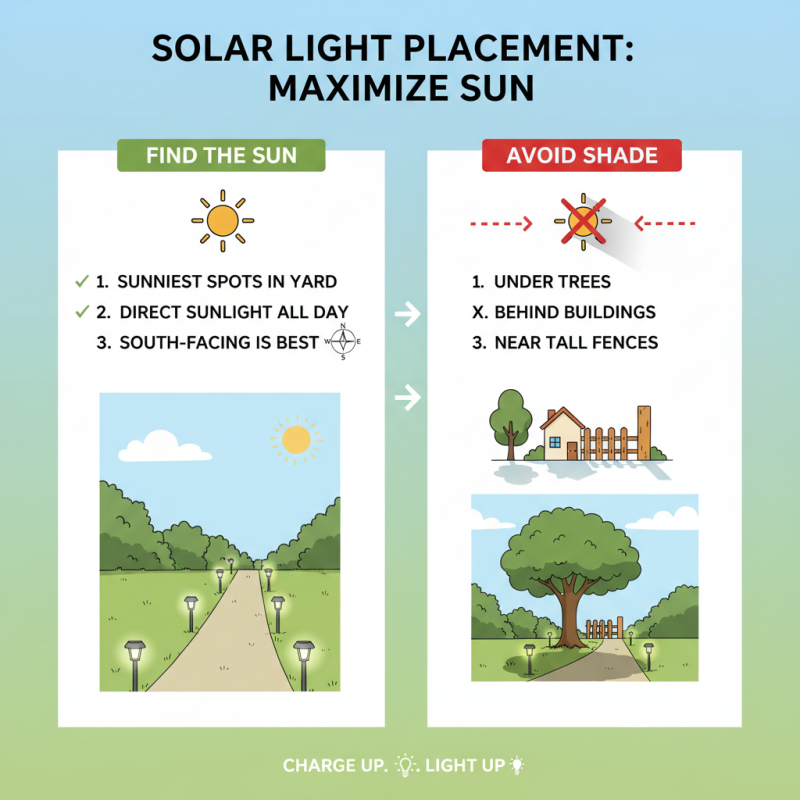
When considering solar-powered lights for your outdoor space, the placement of the lights is critical to ensure they receive maximum sun exposure. Identifying the sunniest spots in your yard or garden is the first step. Take note of the areas that receive direct sunlight throughout the day, especially during peak hours. Ideally, south-facing locations are the best options, as they typically receive the most sunlight. Avoid placing lights in shaded areas created by trees, buildings, or fences, as this will impair their ability to charge and function effectively.
Another important factor in placement is the angle of the solar panel. If your lights have adjustable solar panels, position them to face the sun at optimal angles, which can vary seasonally. Additionally, consider the height and orientation of your lights; they should be installed at a height that allows them to capture sunlight efficiently while also providing effective illumination for your outdoor areas. By carefully selecting the right placements based on sun exposure, you can maximize the performance of your solar lights and create a beautifully lit environment without relying on traditional energy sources.
Consideration of Design and Aesthetics in Solar Lighting Selection
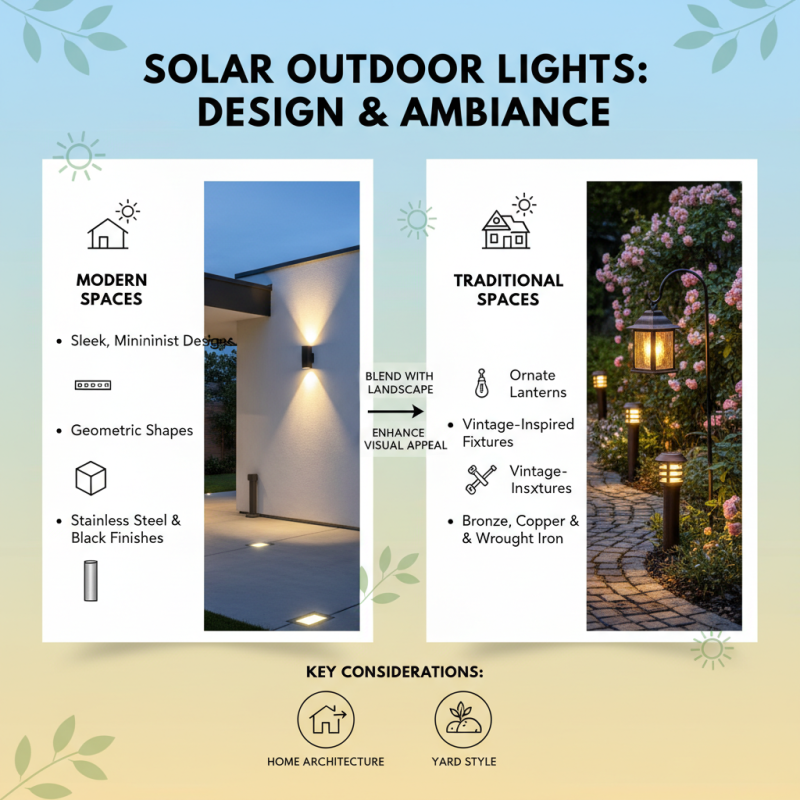
When selecting solar-powered lights for your outdoor space, design and aesthetics play a crucial role in enhancing the overall ambiance. The right lighting fixtures should seamlessly blend with your landscape, contributing to the visual appeal rather than detracting from it. Consider the architectural style of your home and yard; for instance, modern spaces might benefit from sleek, minimalist designs, while more traditional settings could look best with ornate lanterns or vintage-inspired fixtures.
Additionally, the color of the solar lights can significantly impact their integration into the outdoor environment. Choose hues that complement your existing decor and plant life, ensuring they harmonize with the natural elements around them. Furthermore, think about the intensity of the light and its placement. Soft, warm lights can create a cozy atmosphere, whereas brighter, cooler lights might be more suitable for functional areas like pathways or seating spaces. Ultimately, by prioritizing design and aesthetics, you can select solar-powered lights that not only illuminate but also enhance the beauty of your outdoor area.