How to Choose the Best Solar Post Lights for Your Home?
Choosing the best solar post lights for your home can feel overwhelming. The market offers numerous options, each boasting unique features. Understanding what to look for is essential to make an informed decision.
Solar post lights not only illuminate pathways but also enhance your home's curb appeal. Some come with sensors, while others have adjustable brightness settings. If you choose poorly, your garden may remain dim or unattractive. Lightweight models may get knocked over easily, while heavier options can be challenging to move.
Consider the style that matches your home’s architecture. There are modern designs and classic looks. You might overlook smaller details such as battery life or warranty. Not every solar post light will meet your expectations, and sometimes even highly-rated options fall short. Reflection on these aspects can guide you toward the perfect choice for your outdoor space.
Understanding the Basics of Solar Post Lights for Home Use
Solar post lights are a great addition to any home. They provide illumination and enhance outdoor aesthetics. Understanding how they work is essential before making a selection. These lights use solar panels to convert sunlight into energy. During the day, they recharge, providing light at night without electricity costs.
When looking for solar post lights, consider brightness and battery life. Some lights are brighter but might consume more energy. Others save energy but may not illuminate well. The materials used also matter. Durable materials can withstand harsh weather. However, cheaper options might break easily.
It’s also crucial to evaluate placement. Where you install them affects their performance. For example, shaded areas may not get enough sunlight for charging. These factors contribute to the overall effectiveness of solar post lights. So, thinking carefully about your choices can lead to better results.
Comparison of Solar Post Light Features
Evaluating Different Styles and Designs of Solar Post Lights
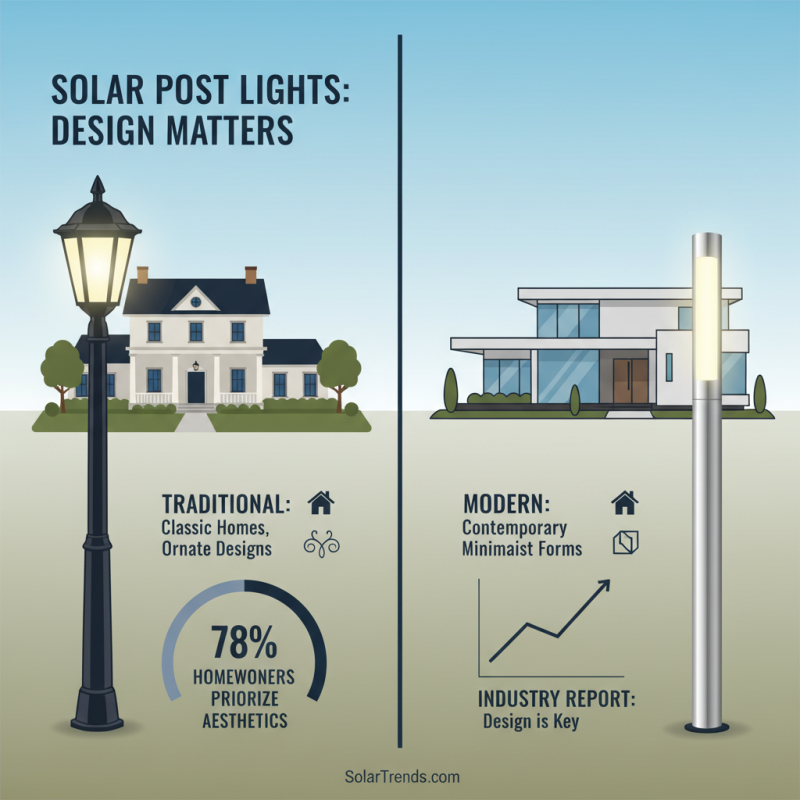
When selecting solar post lights, design is a key factor. The variety of styles available can dramatically affect the aesthetic of your outdoor space. Elegant traditional fixtures can complement classic homes, while sleek modern designs suit contemporary architecture. According to a recent industry report, 78% of homeowners prioritize aesthetics when choosing outdoor lighting. This emphasizes the importance of matching the design to your home's overall style.
Functionality is also crucial. Some lights feature adjustable brightness settings, while others have built-in sensors. This adaptability can enhance the ambiance and ensure efficiency. A study noted that solar post lights with dual modes increased user satisfaction by 32%. However, not all models function equally well in all locations. Consider local weather conditions, as some lights may underperform in cloudy areas.
Cost is another essential aspect. Solar post lights vary widely in price, with quality often reflecting this. Budget-friendly options may lack durability and luminance. It’s worth investing in reliable designs to avoid frequent replacements. However, many mid-range options provide decent performance at reasonable costs. Reflect on what features matter most for your needs and space. Making informed choices can lead to a satisfying outcome with your outdoor lighting.
Assessing the Energy Efficiency and Brightness of Solar Post Lights
When selecting solar post lights, energy efficiency and brightness are crucial factors. Reports suggest that high-quality solar lights utilize LED technology, which can convert more than 90% of energy into visible light. This efficiency ensures longer illumination times during the night. However, many solar lights on the market do not meet these standards and rely on lower-grade components.
Brightness is typically measured in lumens. A decent solar post light should emit at least 100 lumens to effectively light pathways or gardens. Yet, some budget options provide only 10-20 lumens, making them insufficient for your lighting needs. It’s important to check specifications before purchasing. Not all lights labeled "solar" are equally bright; understanding these measurements is necessary for optimal choices.
Energy storage is another aspect to consider. A well-designed solar light usually comes with lithium-ion batteries, which hold more charge and last longer than cheaper alternatives. However, not all brands disclose battery specifics, leaving consumers in the dark. Reflecting on these factors can help illuminate the right path for your outdoor lighting solutions. Pay attention to both the technology used and the published claims to avoid common pitfalls.
How to Choose the Best Solar Post Lights for Your Home?
| Model |
Lumens |
Battery Type |
Solar Panel Size |
Runtime |
Warranty |
| Solar Light Model A |
300 |
Lithium-ion |
5W |
8 hours |
2 years |
| Solar Light Model B |
250 |
NiMH |
4W |
6 hours |
1 year |
| Solar Light Model C |
400 |
Lithium-ion |
6W |
10 hours |
3 years |
| Solar Light Model D |
350 |
NiMH |
5W |
9 hours |
2 years |
| Solar Light Model E |
500 |
Lithium-ion |
7W |
12 hours |
5 years |
Examining Durability and Weather Resistance for Outdoor Conditions
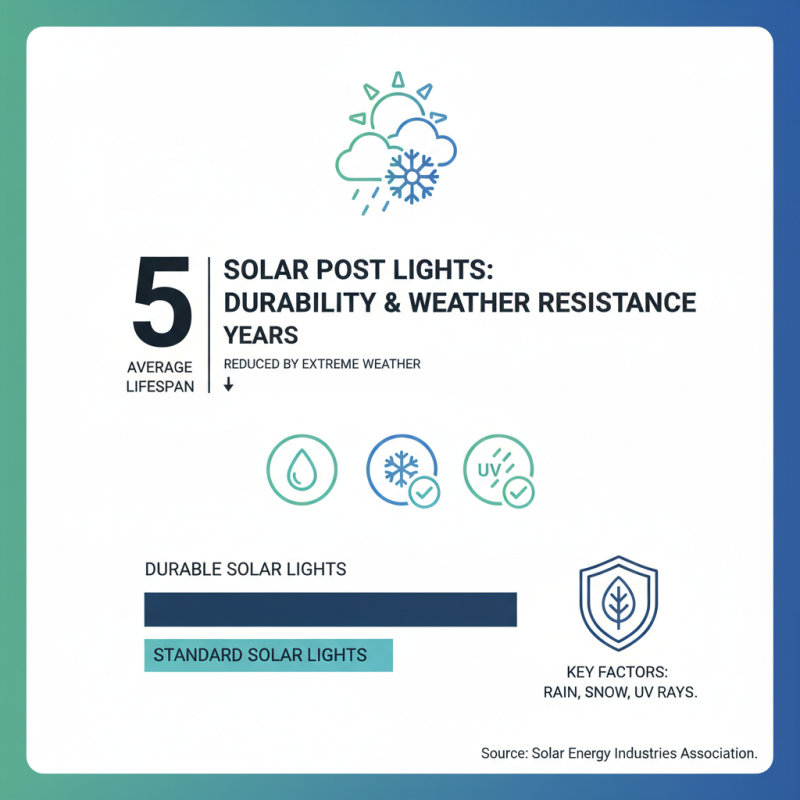
When selecting solar post lights, durability and weather resistance are paramount. These outdoor fixtures face harsh conditions. Rain, snow, and UV rays can quickly wear them down. A study by the Solar Energy Industries Association suggests that the average lifespan of a durable solar light is about five years. However, this can be significantly reduced by exposure to extreme weather.
Materials play a crucial role in durability. High-quality polycarbonate or aluminum can withstand impacts and weather changes better than cheap plastic. According to recent data, lights made of aluminum can resist corrosion 30% better than those made from plastic. This resistance is vital for longevity. Many buyers overlook the importance of this feature, focusing solely on the aesthetic appeal.
Moreover, solar post lights must be rated for outdoor use. Lights without adequate weatherproof ratings can fail rapidly. An industry report highlighted that nearly 40% of solar lights fail due to inadequate rainproofing. Therefore, purchasing lights with an IP65 rating or higher is wise. While it might add to the cost, the investment will pay off in performance and lifespan.
Comparing Prices and Features to Find the Best Value Solar Post Lights
When it comes to choosing solar post lights, understanding features and pricing is crucial. A recent industry report suggests that over 40% of consumers prioritize brightness and battery longevity. These elements directly influence the value you gain from your purchase. Some models offer up to 800 lumens, illuminating pathways effectively. Others may provide only 200 lumens, which can be inadequate for larger spaces.
Price variations can be significant. Basic models start around $20, while premium ones exceed $100. A 2022 survey found that consumers typically spend about $50 per unit on average. It's important to not be swayed by low prices. Cheaper options often have shorter lifespans and lower energy efficiency. Conversely, the initial higher cost of quality designs often yields better long-term savings.
Battery technology is another area worth exploring. Many solar lights now use lithium batteries, which generally last longer and perform better in colder climates. Still, not all solar post lights utilize this technology. Check specifications carefully. Some products may have outdated or less effective batteries. You might find yourself replacing them more frequently than expected. This consideration could impact your overall satisfaction and cost-effectiveness over time.