2026 How to Choose the Best Solar Lighting for Your Outdoor Spaces?
Solar lighting is rapidly becoming a popular choice for outdoor spaces. It offers eco-friendly illumination while reducing energy costs. Choosing the right solar lighting can transform a garden or patio. However, many options exist, and it can be overwhelming.
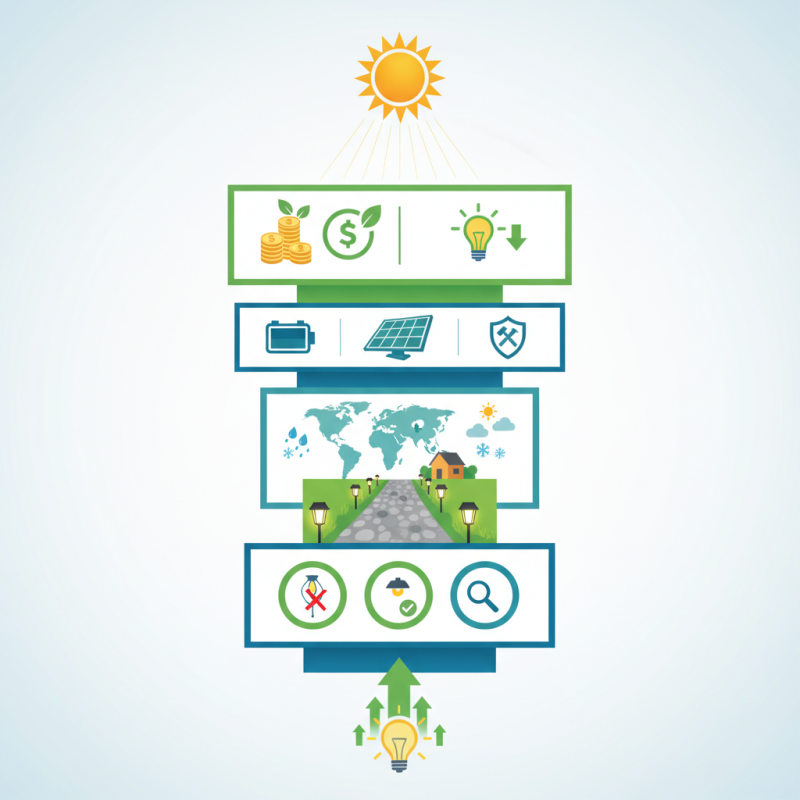
One common mistake is assuming that all solar lights perform the same. Quality varies widely among brands and types. Some lights may look appealing but fail to provide enough brightness. Consider factors such as battery capacity, solar panel efficiency, and durability when selecting. Are they suitable for your climate?
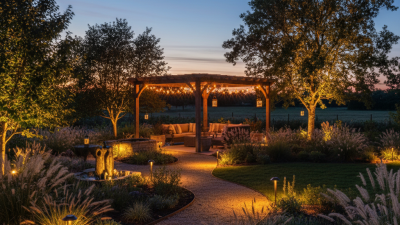
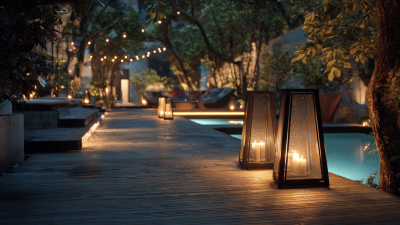
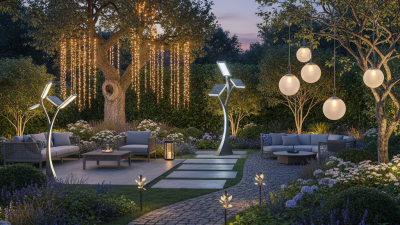
Visualizing your space is crucial. A well-lit path can enhance safety and aesthetics. Picture your backyard with solar lanterns lining the walkway. Each light should complement your landscape. Yet, don’t forget to reflect on your choices. Sometimes, lights that seem innovative may disappoint in performance. Making informed decisions is key to maximizing the benefits of solar lighting.
Understanding Different Types of Solar Lighting for Outdoor Use
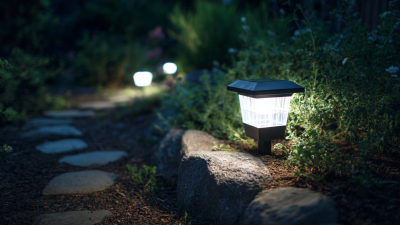
When choosing solar lighting for outdoor areas, it’s essential to understand the various types available. Solar path lights are popular. They line walkways and enhance safety. According to the Solar Energy Industries Association, sales of solar lights have risen by 25% in recent years. This shows the growing interest in eco-friendly outdoor solutions.
Another option is solar string lights. They add ambiance to patios and gardens. However, their performance can be inconsistent. Some users report that not all strings produce adequate brightness. Research indicates that battery capacity is crucial. A solar light’s battery often degrades over time, affecting its reliability.
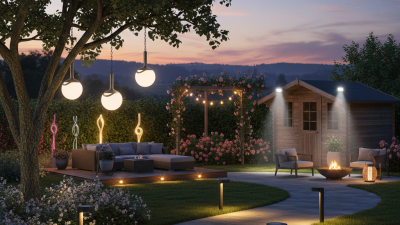
Floodlights are powerful and can illuminate large areas. Their intensity can deter unwanted visitors. But many models lack adjustable settings. Users may find them too bright for casual gatherings. Each type of solar lighting offers unique benefits and challenges. Would you choose style over functionality? The decision ultimately reflects your specific outdoor needs.
Factors to Consider When Choosing Solar Lights for Your Space
When it comes to choosing solar lights for your outdoor space, several factors can make a big difference. The first thing to consider is the brightness of the lights. Not all solar lights produce the same level of illumination. Higher lumens mean brighter light, which is ideal for security purposes. For ambient lighting, softer glows may suffice.
It’s also important to look at the solar panel efficiency. Some lights charge better than others, especially in cloudy areas. Therefore, checking the panel size and placement options is key. In addition, battery capacity plays a vital role in how long the lights last after sundown. If the area is used frequently, invest in lights with larger batteries.
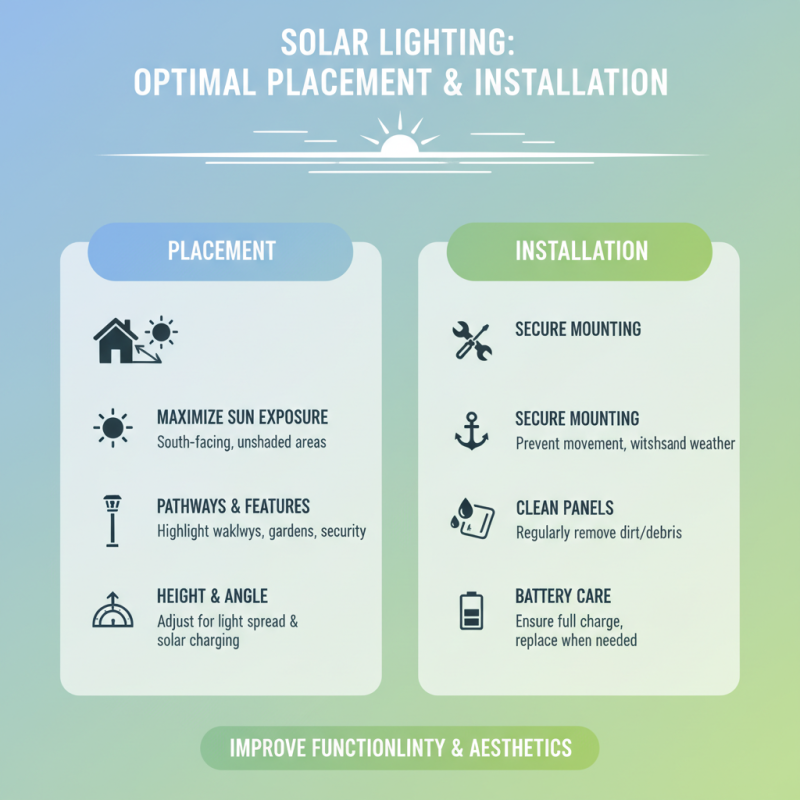
Tips: Evaluate your space before making a choice. Picture where you will place the lights. Think about the height and angle for the best exposure to sunlight. Don't forget weather resistance. Not all lights can withstand extreme climates. Always ask yourself if you need lights that can endure heavy rain or snow. This will influence your final decision.
Evaluating Brightness and Lumens for Outdoor Solar Lighting
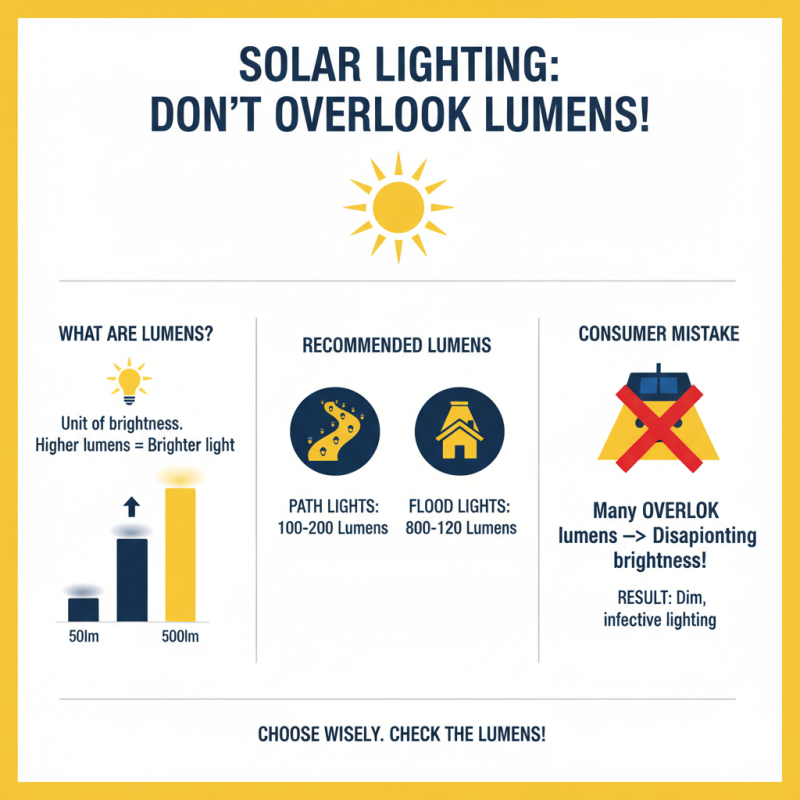
When choosing outdoor solar lighting, brightness is crucial. Brightness is measured in lumens. In general, 100-200 lumens are suitable for path lights, while 800-1,200 lumens is ideal for flood lights. According to industry data, many consumers overlook lumens when purchasing solar lights, leading to disappointing results.
Understanding the lumens needed for various tasks is important. For instance, ambient lighting may require less than 50 lumens, while task lighting should typically exceed 200 lumens. Studies show that a well-lit outdoor space can deter crime and create a welcoming atmosphere. Surprisingly, many users don't realize that solar lights often produce less light at night due to depleted batteries.
Quality solar lights should provide consistent brightness. Many units claim high lumens but perform poorly in real conditions. Reports indicate that about 30% of solar lights fail to meet their brightness claims. For best results, consumers must evaluate their space and match lumens to their needs. Reflecting on these details can help avoid future regrets.
Assessing Battery Life and Charging Time of Solar Lights
When choosing solar lighting for outdoor spaces, assessing battery life and charging time is crucial. Solar lights typically use rechargeable batteries like lithium-ion or nickel-cadmium. According to industry reports, high-quality batteries can last up to three years, but performance decreases over time. Subpar batteries may only last one year. This can lead to frustration when lights don't function as expected.
Charging time varies based on sunlight exposure and battery type. Most solar lights need 6-8 hours of sunlight for a full charge. However, cloudy days can extend this time. Some products quote charging times as short as 4 hours, but real-world conditions often differ. It's essential to consider your local climate when making a choice.
**Tip:** Look for lights with a built-in indicator that shows battery status. It can help avoid surprises on dark nights.
Another important factor is usage time. Quality solar lights can illuminate for 8-12 hours after charging. Inadequate charging time can reduce this duration significantly. If lights flicker or dim, it might indicate battery issues.
**Tip:** Check the specifications for battery capacity and runtime before purchasing. Be aware that high capacity may not always guarantee long life due to other factors.
Remember, not all solar lighting performs well in every environment. No two products are alike. Investing time in research and making informed choices can improve your outdoor experience.
2026 How to Choose the Best Solar Lighting for Your Outdoor Spaces? - Assessing Battery Life and Charging Time of Solar Lights
| Type of Solar Light |
Average Battery Life (Hours) |
Charging Time (Hours) |
Light Output (Lumens) |
Features |
| Wall Solar Light |
10 |
6 |
300 |
Motion Sensor, Waterproof |
| Solar Pathway Light |
8 |
5 |
100 |
Automatic On/Off, Durable |
| Solar String Lights |
12 |
4 |
200 |
Multi-Color, Decorative |
| Solar Flood Light |
15 |
8 |
800 |
Adjustable Head, High Brightness |
| Solar Spot Light |
10 |
6 |
400 |
Adjustable Brightness, IP65 Waterproof |