How to Choose the Best Solar LED Lighting for Your Needs?
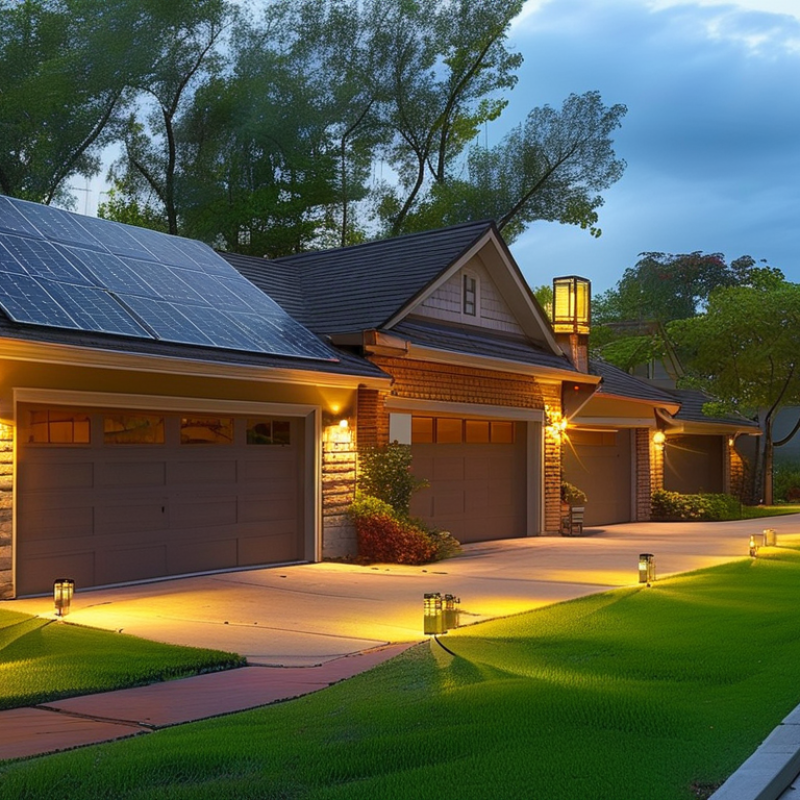
Choosing the right solar LED lighting can be overwhelming. With various options available, understanding your needs is crucial. Solar LED lights provide illumination while conserving energy. They harness the sun's power, making them eco-friendly.
One must consider brightness levels, battery capacity, and installation methods. Different settings require unique lighting solutions. For pathways, softer lights work best. For security, brighter options are vital. Finding the right balance can be challenging.
Quality matters in solar LED products. Research reputable brands and read reviews. Not all lights perform the same, even if they look similar. Testing several models may be necessary. Your choice impacts efficiency and longevity. Selecting the best solar LED lighting is a reflective process. Take your time, and remember, not all choices will align with your expectations.
Understanding Your Lighting Needs and Environment
Understanding your lighting needs is crucial when choosing solar LED lighting. Consider the space you want to illuminate. Will it be a pathway, garden, or perhaps a patio? Each environment requires different lumen levels. For example, the Illuminating Engineering Society recommends 50 to 100 lumens per foot for walkways. Proper brightness ensures safety and functionality.
Evaluate the hours of sunlight in your area. Solar LED lights rely on sunlight to charge. According to the U.S. Department of Energy, optimal performance occurs with at least six hours of direct sunlight. If your location has limited sunlight, consider fixtures with larger solar panels or batteries. This can help maintain effective performance even on cloudy days.
Also, think about the aesthetic and practical aspects. Design matters; fixtures should blend with your surroundings. However, don't overlook durability. Reports show that UV exposure can wear out cheap materials faster. Evaluate the materials used to ensure longevity against environmental factors like rain and wind. Balancing style, function, and durability often warrants some trial and error. Your choices will reflect both your taste and your practical requirements.
Types of Solar LED Lighting Available on the Market
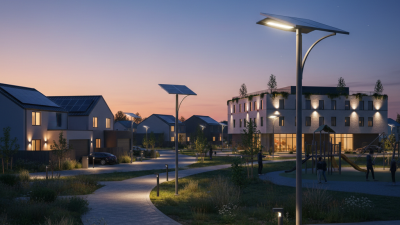
When choosing solar LED lighting, understanding the types available is crucial. Numerous options cater to diverse needs. Pathway lights illuminate walkways effectively. They create safe routes in gardens or yards. Solar floodlights provide significant brightness for larger areas. They are ideal for security and outdoor gatherings.
One notable type is solar garden lights. They typically use motion sensors to save energy. Reports indicate that these lights can reduce energy costs by up to 80%. In contrast, solar lanterns are portable and versatile. They are perfect for camping or outdoor events. Many users appreciate their convenience and ease of use.
Solar post lights are another popular choice. They often replace traditional electric lights and are eco-friendly. Research shows that 75% of consumers prefer solutions that contribute to sustainability. However, it is essential to consider the charging time and battery life of these lights. Some models may not perform optimally in low sunlight. This aspect can affect their reliability in certain climates.
Types of Solar LED Lighting Available on the Market
Key Features to Consider When Choosing Solar LED Lights
When selecting solar LED lights, consider the brightness and lumens output. Your space's size affects the required brightness. Areas needing more light, like pathways, need higher lumens. For garden spaces, softer illumination may suffice. Measure the area to determine the right level of brightness.
Battery capacity is another vital feature. A larger battery ensures longer illumination times. Look for lights that last through the night. Check the charging time; it should be quick yet efficient. Sometimes, the ideal light may take too long to charge during cloudy days.
Watts and energy efficiency matter. High-efficiency solar panels convert more sunlight into energy. This can be essential for outdoor lights. Ensure the product can withstand weather conditions. Durable materials will enhance longevity. Reflect on your needs. Everyone has different preferences. What works for one might not suit another. Take the time to analyze your specific requirements.
Assessing Battery Life and Solar Panel Efficiency
Choosing the right solar LED lighting requires careful evaluation of battery life and solar panel efficiency. Battery capacity is crucial, as it determines how long your lights can operate during the night. Most solar lights come with different battery types, such as lithium-ion or lead-acid. Lithium-ion batteries tend to have a longer lifespan and better performance.
Consider how many hours of operation you need each night and choose accordingly.
Solar panel efficiency directly impacts how quickly your lights recharge. High-efficiency panels can convert more sunlight into energy. Look for panels with a higher wattage rating for optimal performance. Placement is also important; ensure panels receive direct sunlight for several hours daily. If the panel is shaded even partially, it can significantly reduce charging effectiveness.
Consider testing different models in your environment. Some lights might perform well in sunny locations but underperform in cloudy areas. Experiment with various configurations and settings to find the best solution for your needs. Document your experiences to help inform future decisions. Pay attention to how battery life changes with weather conditions or usage patterns. This careful observation will help you understand what works best for your specific circumstances.
Tips for Installation and Maintenance of Solar LED Lights
When installing solar LED lights, careful planning is essential for optimal performance. Start by selecting the right location. An area that gets full sunlight for at least six hours daily is ideal. This ensures maximum battery charge during the day, allowing lights to operate effectively at night. Research indicates that inadequate sunlight exposure can reduce light output by up to 50%.
Maintenance is equally crucial. Regular cleaning of solar panels is necessary to remove dust and debris, which can hinder efficiency. A study showed that solar lights can lose around 20% of their efficiency when the panels are dirty. Battery replacement is another consideration. Depending on the quality, batteries may need replacement every 2 to 4 years. Monitoring light brightness can help identify any maintenance needs early.
Consider seasonal changes as well. In winter, shorter days may require adjustments. You might not get the same performance in cloudy weather. Thus, evaluating performance in varying seasons can highlight areas for improvement. Embrace these factors as part of a proactive approach to solar LED lighting. This can lead to longer-lasting and more effective lighting solutions.
How to Choose the Best Solar LED Lighting for Your Needs?
| Feature |
Description |
Importance |
| Lumens |
Measurement of light output from the solar LED |
High - Affects brightness and visibility |
| Battery Capacity |
Amount of energy stored for nighttime use |
High - Determines operational time |
| Solar Panel Size |
Size of the solar panel impacting energy absorption |
Medium - Affects charging efficiency |
| Material Quality |
Durability and weather resistance of LEDs |
High - Impacts lifespan and reliability |
| Installation Type |
Surface mounted or stake-in-the-ground options |
Medium - Affects ease of setup |
| Motion Sensors |
Feature that detects movement to activate lighting |
Medium - Useful for security purposes |
| Warranty Period |
Duration of the manufacturer's guarantee |
Medium - Indicates product quality assurance |