Why Choose a Wifi Doorbell for Your Home Security Needs?
In today’s world, home security is crucial. One effective solution is the Wifi Doorbell. This modern device offers a blend of convenience and safety. It allows homeowners to see and communicate with visitors remotely. The technology behind Wifi Doorbells has improved significantly, making them reliable and user-friendly.
Many families appreciate the instant alerts they receive when someone approaches their door. This feature keeps them informed, even when they are away. Homes equipped with Wifi Doorbells feel more secure. However, it’s essential to consider potential privacy concerns. Users may need to review their settings regularly for optimal security.
Investing in a Wifi Doorbell can enhance your home’s safety profile. Its integration with other smart home devices creates a comprehensive security system. Yet, not every system is perfect. Some users report connectivity issues or complicated installations. Therefore, thorough research is advisable before making a purchase. Overall, a Wifi Doorbell can be a valuable addition to your home security strategy.
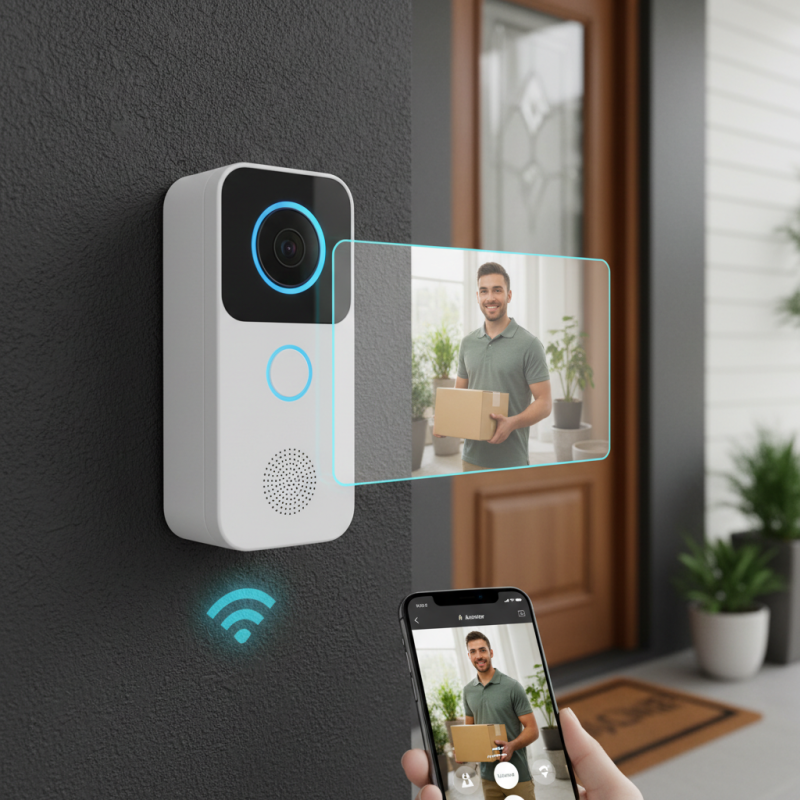
Benefits of Wifi Doorbells for Enhanced Home Security
The rise of Wi-Fi doorbells marks a significant shift in home security. According to a report from MarketsandMarkets, the smart doorbell market is projected to grow from $1 billion in 2020 to over $3 billion by 2025. This surge highlights their growing importance in modern home security.
Wi-Fi doorbells offer real-time monitoring. Homeowners can view live video feeds from their devices. A 2022 study from Statista found that 47% of users feel safer with outdoor cameras and doorbell systems. Features like motion detection and two-way audio enhance security. Users can communicate with visitors, even when they aren’t home. This capability deters potential intruders.
However, it's essential to consider privacy concerns. Some users report feeling uneasy about constant surveillance. In a study published in the Journal of Technology in Human Services, 30% of participants expressed discomfort with recording devices in and around their homes. Balancing security with privacy is crucial. Wi-Fi doorbells can boost home protection, but homeowners must carefully weigh their personal comfort levels.
Key Features to Look for in a Wifi Doorbell System
When choosing a Wi-Fi doorbell, there are several key features to consider. High-definition video quality is essential for clear visuals. A report from the Security Industry Association shows that 70% of homeowners prefer doorbells that offer 1080p or better resolution. This makes it easier to identify visitors and potential threats.
Two-way audio is another critical feature. It allows you to communicate with visitors from your smartphone or computer. According to the Consumer Technology Association, 52% of users find this function invaluable for interacting with delivery personnel or unexpected guests. Smart motion detection can help reduce false alerts. Systems should differentiate between people, pets, and vehicles to minimize unnecessary notifications.
In addition, integration with smart home ecosystems enhances functionality. Many consumers appreciate seamless connections with home automation systems. However, some users express frustration when devices fail to integrate smoothly. This highlights the importance of researching compatibility before purchasing. Consumer feedback indicates that a lack of reliable connectivity can impact user experience significantly. Understanding these features ensures you select a Wi-Fi doorbell suited to your needs, enhancing your home security.
How Wifi Doorbells Integrate with Smart Home Devices
Wifi doorbells have become integral to modern smart home security. These devices not only enhance home safety but also provide seamless integration with other smart gadgets. According to a report from Parks Associates, nearly 32% of U.S. households own at least one smart home device, showing a rising trend in home automation.
The functionality of Wifi doorbells extends beyond just a camera and notification system. They connect with smart lighting, locks, and security cameras. For example, a homeowner can program their doorbell to trigger outdoor lights when it detects motion. This interaction creates a layered security approach. Research indicates that homes with connected devices are 30% less likely to experience break-ins.
However, relying solely on technology isn’t without its challenges. Wifi disruptions can render these devices ineffective, leading to potential gaps in security. Furthermore, privacy concerns linger. Users need to be mindful of data security, as these devices can be vulnerable to hacking if not properly secured. Awareness and education on these aspects are crucial for maximizing the benefits of smart home technology.
Comparing Wifi Doorbells to Traditional Doorbell Systems
The shift from traditional doorbell systems to Wi-Fi doorbells marks a significant advancement in home security. Traditional doorbells lack features beyond basic ringing, leaving homeowners vulnerable. In contrast, Wi-Fi doorbells come equipped with cameras, motion sensors, and two-way audio. According to a report by the Security Industry Association, smart home devices, including Wi-Fi doorbells, can reduce forced entry risk by up to 30%.
Wi-Fi doorbells also allow homeowners to monitor visitors remotely. This capability ensures that even when away, you can see who approaches your door. In fact, a survey from Statista reveals that 45% of homeowners feel more secure with smart doorbells. Some users, however, report challenges with connectivity. Poor Wi-Fi signals can lead to delay in notifications or video feed.
Furthermore, privacy concerns are rising with smart devices. A study by the Pew Research Center found that 81% of Americans worry about surveillance. This suggests a need for further discussions on data privacy. While Wi-Fi doorbells provide enhanced security, understanding their limitations and risks is necessary for informed decisions. Users must weigh the pros and cons for their unique situations.
Why Choose a Wifi Doorbell for Your Home Security Needs? - Comparing Wifi Doorbells to Traditional Doorbell Systems
| Feature | Wifi Doorbell | Traditional Doorbell |
| Video Monitoring | Yes, with live streaming and recording | No, audio only |
| Mobile Notifications | Yes, instant alerts on smartphone | No notifications available |
| Installation | Wireless, easy to install | Wired, may require professional installation |
| Two-way Audio | Yes, communicate with visitors | No, one-directional sound |
| Integration with Smart Home Systems | Yes, compatible with multiple devices | Limited or no integration options |
| Cost | Higher initial cost but potential savings on home insurance | Lower initial cost but no additional features |
| Power Source | Battery-operated or hardwired options | Hardwired only |
Tips for Installing and Maintaining Your Wifi Doorbell
Installing a WiFi doorbell can greatly enhance your home security. However, proper installation and maintenance are crucial for optimal performance. Here are some practical tips.
When installing your WiFi doorbell, ensure it's placed at the right height. The ideal position is typically between 4 to 5 feet from the ground. This height allows for better visibility and easier use. Use a level to ensure it is straight. Also, verify your WiFi strength at the installation site; a weak signal may affect performance. Take the time to explore your home layout to find the best spot.
Regular maintenance is key to a reliable WiFi doorbell. Check the camera lens every few months for dirt or obstructions. Clean it with a soft cloth to prevent any blockages that might impair video quality. You should also check for software updates periodically. This ensures your doorbell has the latest security features. Sometimes, it’s easy to forget these small tasks, but staying consistent is essential.
