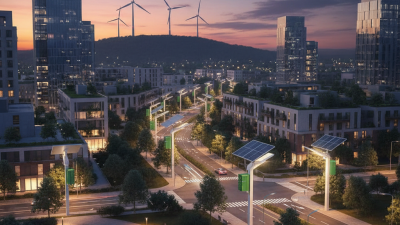
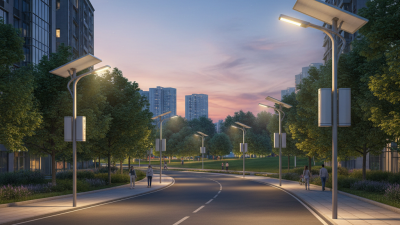
Why Choose Solar Street Lights for Sustainable Outdoor Lighting Solutions?
In recent years, solar street lights have emerged as a popular choice for outdoor lighting. These lights harness the sun's energy to illuminate streets, parks, and pathways. They offer various benefits, including reduced energy costs and reliance on non-renewable sources. Imagine a community powered by clean energy, where the nights are bright without contributing to pollution.
Solar street lights are not just practical; they encourage sustainability. They help lower carbon footprints while enhancing public safety. Picture a well-lit street, where visibility leads to safer environments. Yet, some communities remain hesitant. They question installation costs and efficiency. It's vital to reflect on these concerns and weigh them against long-term benefits.
Adopting solar street lights could transform urban landscapes. They symbolize progress and a commitment to a greener future. However, challenges exist, such as maintenance and initial investments. Choosing this lighting solution requires thoughtful consideration of both pros and cons.

Benefits of Solar Street Lights in Reducing Carbon Footprint
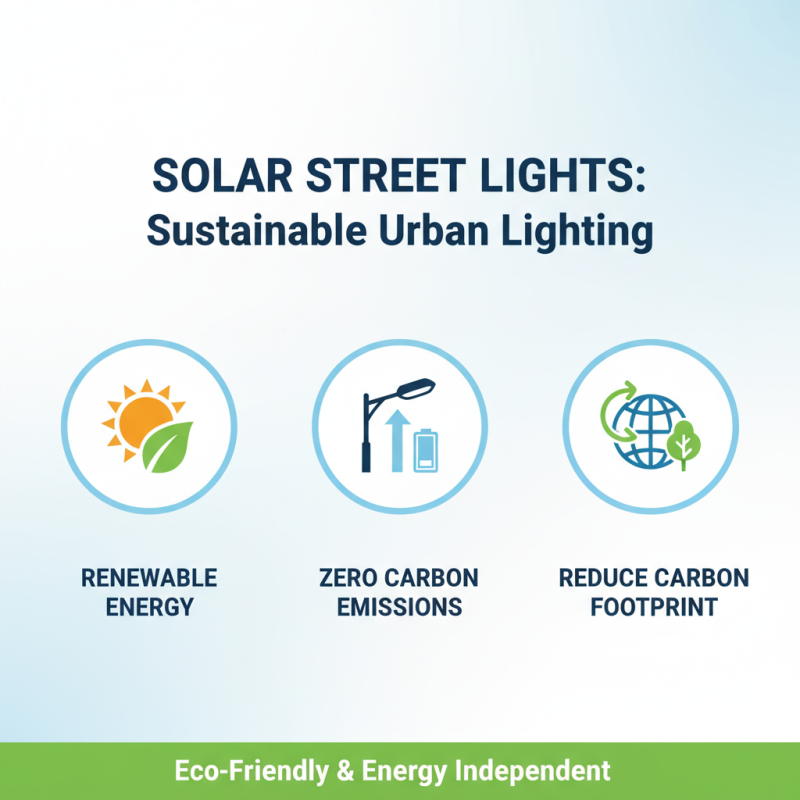
Solar street lights offer an excellent solution for outdoor lighting while contributing to sustainability. These lights harness solar energy, reducing reliance on fossil fuels. By using renewable energy, they help lower greenhouse gas emissions, making them eco-friendly. Each street light emits zero carbon during operation, significantly decreasing the carbon footprint of urban areas.
The benefits extend beyond energy savings. Solar street lights require minimal maintenance, reducing waste over time. They operate independently, so there's no need for complex wiring or extensive infrastructure. This simplicity means quicker installation and reduced costs. Yet, reliance on weather conditions can be a drawback. Cloudy days may limit power generation, affecting performance.
Moreover, these lights can enhance safety in public spaces. Well-lit streets deter crime and improve visibility for drivers and pedestrians. However, the transition to solar technology needs careful planning. Some communities may lack the initial capital for installation. Addressing these financial and logistical challenges can help fully realize the potential of solar street lights.
Cost-Effectiveness of Solar Street Lighting Compared to Traditional Solutions
Solar street lighting presents an attractive alternative to traditional lighting solutions. A recent report by the International Renewable Energy Agency (IRENA) indicates that solar street lights can reduce energy costs by 50-70%. These savings primarily stem from the absence of electricity bills, making initial investments more appealing.
Installation costs also vary. Traditional street lights require extensive wiring and infrastructure. This can range from $35,000 to $100,000 per mile. In contrast, solar lights often require less than $20,000 per mile, offering a compelling financial advantage. However, upfront costs may still deter some municipalities, as compared to longstanding systems.
Despite advantages, challenges exist. Not all areas receive equal sunlight, leading to inconsistent performance. Cities must consider climate and geography carefully. Maintenance is another concern; solar lights depend on battery life, which may wane over time. Thus, a careful evaluation of the long-term effectiveness is essential for successful implementation.
Technological Advancements in Solar Street Light Efficiency and Design
The evolution of solar street lights is remarkable. Recent technological advancements have led to higher efficiency and enhanced design. Modern solar street lights now feature powerful LED bulbs. These bulbs use less energy and have a longer lifespan. They illuminate streets effectively, even during cloudy days. It's interesting to note how solar panels have improved. They capture sunlight more efficiently than ever before. This means more energy is stored for nighttime use.
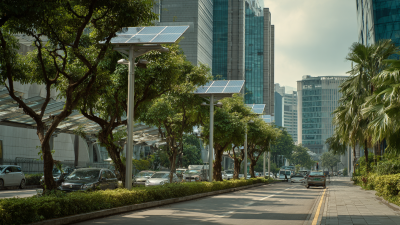
Design improvements are equally impressive. Sleek and aesthetic models blend well with urban landscapes. Some solar street lights are equipped with smart technology. They can adjust brightness based on real-time conditions. This adaptability not only saves energy but also prolongs battery life. However, it's important to consider potential issues too. Not all models perform well in extreme weather. Location and placement are crucial for optimal performance.
As the technology advances, new features may emerge. Future solar lights could include motion sensors for enhanced security. The focus on sustainability aligns with the need for innovative solutions. Observing how these advancements unfold is essential. It raises questions about the balance between technology and nature. These lights may pave the way for greener urban environments. Yet, reliance on technology also calls for careful reflection. How do we ensure these solutions are truly sustainable?
Why Choose Solar Street Lights for Sustainable Outdoor Lighting Solutions?
Statistical Growth of Solar Street Light Installations Globally
Solar street lights are revolutionizing outdoor lighting worldwide. Installations have seen impressive growth in recent years. Urban areas are increasingly adopting solar solutions to reduce energy costs. As cities strive for sustainability, solar technology plays a vital role. Many regions report a 30% increase in installations over the last year alone.
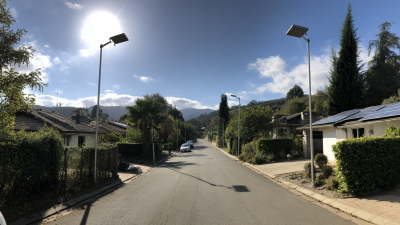
Tips for choosing the right solar street lights: include assessing sunlight availability. Locations with full sun exposure benefit the most. Some systems may not work as effectively in shaded areas. Maintenance plays a crucial role in performance.
Regularly cleaning solar panels ensures maximum efficiency.
Pay attention to potential drawbacks. Initial costs can be higher than traditional lights. Yet, the long-term savings often outweigh these expenses. Future advancements in solar technology may address current limitations. Keep an eye on evolving solutions as they emerge in the market.
Solar street lights provide an opportunity for sustainable urban development.
Impact of Solar Street Lights on Urban Safety and Community Well-being
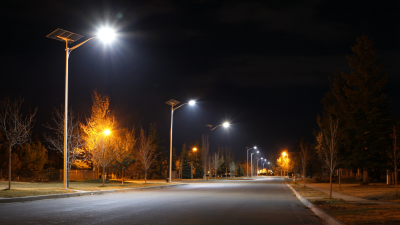
Solar street lights are gaining traction in urban areas. These systems not only provide illumination but also enhance safety for communities. A study conducted by the International Energy Agency found that well-lit streets can reduce crime rates by up to 20%. This statistic highlights the importance of lighting in community safety.
In addition to safety, solar street lights contribute to well-being. They create a more inviting environment for pedestrians and cyclists, encouraging outdoor activities. According to research from the Urban Land Institute, enhanced lighting promotes physical activity, leading to healthier lifestyles. Communities with better lighting often report higher satisfaction levels.
Tips: Consider the placement of lights carefully. Position them where people gather. This increases visibility and deters crime. Regularly maintain the light fixtures as well. Malfunctioning lights can lead to increased fears.
Moreover, it's vital to reflect on the design of these systems. Some areas may still face unequally distributed light. This may create dark spots in neighborhoods, leading to insecurity. Ensuring balanced and adequate lighting across all community areas is essential for the overall impact.