Why Choose Solar LED Lighting for Your Home and Environment?
In today's world, the need for sustainable energy sources is crucial. Solar LED lighting is becoming a popular choice for homes and environments. This technology harnesses sunlight, converting it into energy-efficient lighting solutions. Solar LEDs contribute to a greener planet by reducing electricity consumption.
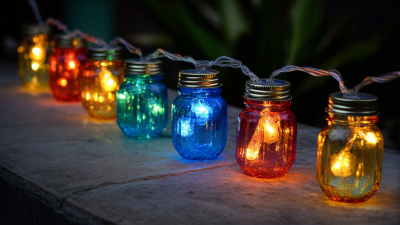
Imagine a backyard illuminated by bright, eco-friendly lights powered by the sun. These lights enhance safety and aesthetics without increasing utility bills. It is fascinating how solar LED lights require minimal maintenance, freeing homeowners from frequent repair hassles. Yet, some may find installation challenging. There can be an initial investment barrier, causing hesitation among potential users.
Reflecting on the benefits reveals undeniable advantages. Solar LED lighting not only protects the environment but also brings long-term savings. As we embrace innovation, we must also consider our consumption patterns. Are we ready to make the shift to solar LED? Embracing this change may require effort, but the rewards can be truly enlightening.

Benefits of Solar LED Lighting for Residential Use
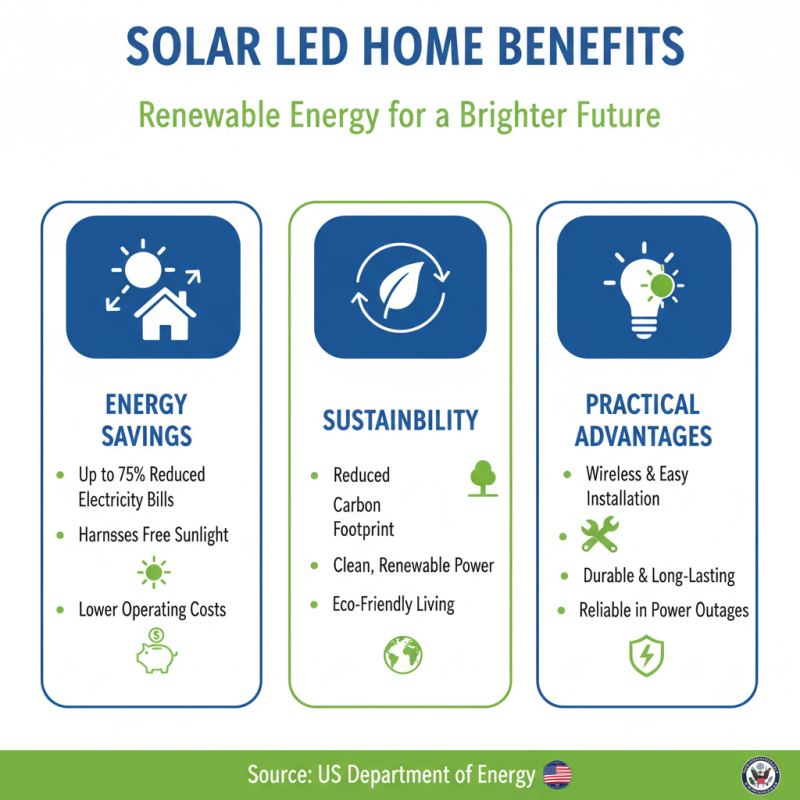
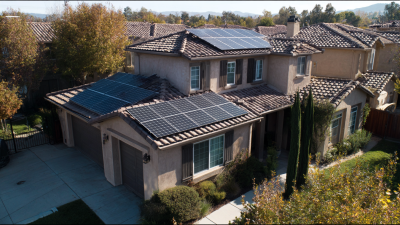
Solar LED lighting offers numerous benefits for residential use. These systems harness sunlight to generate renewable energy. Homes can save significant amounts on electricity bills. According to the U.S. Department of Energy, solar LED lights can reduce energy consumption by up to 75%. This reduction is critical as homeowners look for ways to cut costs and live sustainably.
Moreover, solar LED lights are low maintenance. They typically have a lifespan of over 25,000 hours. This is longer than traditional lighting options. Families can install these lights and forget about frequent replacements. However, some may find the upfront costs daunting. The initial investment can be a barrier for many households. It challenges the notion that solar solutions are accessible to everyone.
Another aspect is their environmental impact. Using solar LED lighting reduces a home's carbon footprint. The Environmental Protection Agency reports that residential lighting is responsible for approximately 15% of household energy use. Switching to solar cuts this number significantly. Yet, even with these advantages, some areas may not receive enough sunlight year-round. This limitation requires careful planning before installation.
Environmental Impact of Solar LED Lighting Solutions
Solar LED lighting offers significant environmental benefits. These systems harness sunlight, reducing reliance on fossil fuels. They have a lower carbon footprint, promoting cleaner air. By switching to solar LED options, homes decrease energy consumption. This choice not only saves money but also contributes to energy conservation efforts.
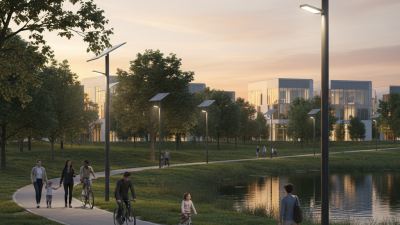
Additionally, solar LED lights require minimal maintenance and have longer lifespans than traditional options. They potentially reduce light pollution, improving the nocturnal environment for wildlife. However, the production of solar panels can have an environmental impact. Mining for materials can disrupt ecosystems and create waste. It’s essential to consider this when choosing sustainable solutions. The transition to solar is a step toward a greener future, but it also calls for responsible practices in resource management.
Cost Efficiency and Savings of Solar LED Systems
Solar LED lighting systems offer remarkable cost efficiency and savings for homeowners. According to the U.S. Department of Energy, these systems can reduce energy bills by up to 80%. This reduction is attributed to solar-powered systems using sunlight instead of relying solely on electricity. The initial investment can be higher, but the long-term savings are significant.
In addition, studies show that solar LED lights have a lifespan of 25,000 to 50,000 hours. This durability means fewer replacements and lower maintenance costs. Homeowners often overlook installation costs. However, many find that financing options can further alleviate the burden. On average, users can recoup their investment in five to seven years, with years of savings thereafter.
One concern involves cloudy weather and nighttime use. However, advancements in solar technology have made it more reliable. Battery storage solutions continue to improve, allowing lights to function even without direct sunlight for extended periods. This adjustment shows promising results, yet potential users should assess the specific climate of their area. Proper research is crucial, as local conditions may affect performance and savings.
Why Choose Solar LED Lighting for Your Home and Environment?
| Dimension |
Details |
Benefits |
| Initial Cost |
Average $100 - $300 per unit |
Lower electricity bills in the long term. |
| Installation |
DIY or professional installation options |
Flexible setup and low maintenance. |
| Lifespan |
Up to 25,000 hours |
Long-lasting performance reduces replacement costs. |
| Energy Source |
Solar energy (renewable) |
Environmentally friendly and sustainable. |
| Maintenance |
Minimal, only cleaning required |
Less time and money spent on upkeep. |
| Return on Investment |
Typically 3-5 years |
Significant savings over time. |
Ease of Installation and Maintenance for Solar LED Fixtures
Solar LED lighting offers a practical solution for homeowners seeking sustainability. The installation process is straightforward, requiring minimal tools and expertise. Many users can set up solar fixtures in just a few hours. Data shows that over 70% of homeowners find DIY installation appealing. This ease of use has significantly boosted the popularity of solar lighting.
Maintenance is another key advantage. Solar LED fixtures typically require less upkeep than traditional lighting. They rely on solar power, reducing dependency on electrical sources. According to recent studies, solar lights can last up to 25,000 hours with little maintenance. Still, it’s essential to clean the panels regularly to prevent dirt buildup, which can reduce efficiency.
Despite their benefits, some users report issues with performance during cloudy days. The reliance on sunlight means that these lights may not always perform optimally in all climates. Understanding local weather patterns can help users choose the right solar solutions. Research indicates that around 30% of potential solar users are unaware of these challenges, which highlights the need for better education on solar products.
Advantages of Solar LED Lighting
Comparative Analysis: Solar LED vs. Traditional Lighting Options
When considering lighting options for your home, the choice between solar LED and traditional lighting is significant. Solar LED lights harness sunlight, turning it into energy. They require no wiring and are easy to install. During the day, solar panels charge up. At night, they illuminate your space. The appeal lies in their sustainability.
However, one must consider the weather conditions. In cloudy regions, performance may suffer.
On the other hand, traditional lighting relies on electricity from power grids. This can lead to higher utility bills. They offer consistent brightness regardless of weather. But, the environmental impact is notable. Traditional systems consume more energy and contribute significantly to carbon emissions. While their initial installation might be low, the long-term costs can add up.
Solar LED lights are often less reliable. Battery life can vary, and they may not work as expected in extreme conditions. Nonetheless, with careful planning, the advantages of solar options can outweigh these issues. Energy savings and reduced carbon footprints are critical factors. It's essential to weigh these elements thoughtfully before making a decision.