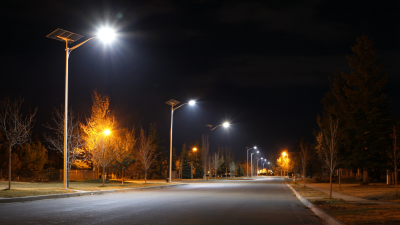
How to Choose the Best Solar Street Light for Your Needs
As urbanization continues to expand, cities are increasingly turning to innovative lighting solutions to enhance public safety and reduce energy costs. Solar street lights have emerged as a sustainable alternative to traditional street lighting, utilizing renewable energy to provide illumination while significantly lowering electricity bills. According to a report by Grand View Research, the global solar street lighting market is projected to reach $10.4 billion by 2025, growing at a compound annual growth rate (CAGR) of 15.3%. This growth reflects a growing appreciation for environmentally friendly technologies and the need for energy-efficient solutions in urban infrastructure.
Experts in the field emphasize the significance of selecting the appropriate solar street light for specific needs. Dr. Emily Harris, a leading researcher in renewable energy solutions, notes, "Choosing the right solar street light can not only enhance visibility in public spaces but also ensure the longevity and efficiency of the installation." Factors such as solar panel efficiency, battery storage capacity, and installation location play critical roles in the performance and effectiveness of solar street lights. As municipalities and organizations consider the adoption of these systems, a careful evaluation of their unique environments and requirements will ultimately lead to successful implementation and greater community safety.
Understanding the Basics of Solar Street Lights
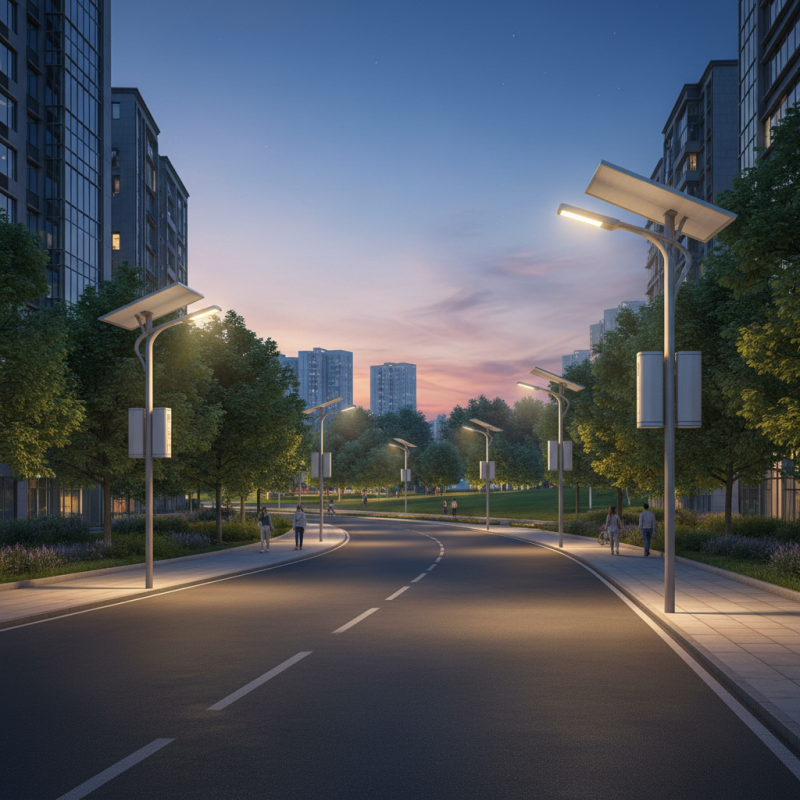
Solar street lights are an innovative and environmentally friendly solution for outdoor lighting. They operate on renewable energy, harnessing sunlight through solar panels during the day to power LED lights at night. Understanding the basics of these lights is crucial for making an informed decision when choosing the right one for your needs.
The primary components of solar street lights include the solar panel, battery, LED light source, and the controller. The solar panel captures sunlight and converts it into electricity, which is stored in the battery for use after dark. The LED lights are energy-efficient and provide bright illumination, while the controller manages the charging and discharging of the battery. It's essential to consider factors like the location’s sunlight exposure, the wattage of the LED, and the battery capacity to ensure the chosen system functions effectively across various conditions. Understanding these components will help you select a solar street light tailored to the specific requirements of your environment.
Comparison of Solar Street Light Specifications
Key Features to Consider When Selecting Solar Street Lights
When selecting the best solar street light for your needs, there are several key features to consider to ensure optimal performance and longevity. First, it's crucial to evaluate the brightness of the solar light, measured in lumens. A higher lumen count often indicates a brighter light, which is essential for ensuring visibility in public spaces. Additionally, it's advisable to look for lights with adjustable brightness settings to customize lighting according to specific requirements, enhancing energy efficiency.
Another important factor is the battery capacity and type. A well-designed solar street light will come equipped with a robust battery that can store enough energy to power the light throughout the night. Consider lights that use high-quality Lithium-ion batteries, as they often outperform standard batteries in terms of longevity and recharge cycles. Furthermore, the durability of the materials used in construction is vital, especially for outdoor installations that must withstand varying weather conditions. Selecting solar lights made from corrosion-resistant materials will ensure longevity and reduce maintenance needs over time.
How to Choose the Best Solar Street Light for Your Needs - Key Features to Consider When Selecting Solar Street Lights
| Feature |
Description |
Importance |
| Brightness (Lumens) |
The amount of light emitted by the fixture, typically measured in lumens. |
High - Determines visibility and security. |
| Battery Capacity |
Refers to the power storage capacity, usually in amp-hours (Ah). |
High - Affects the duration of illumination. |
| Solar Panel Size |
Larger panels generate more energy from sunlight. |
Medium - Influences charging efficiency. |
| Material and Build Quality |
The materials used in manufacturing, affecting durability and weather resistance. |
High - Ensures longevity and reliability. |
| Sensor Types |
Includes motion sensors, light sensors for automatic operation. |
Medium - Enhances efficiency and functionality. |
| Warranty |
Period and conditions of manufacturer's warranty. |
High - Indicates product reliability and customer support. |
| Installation Type |
Consider if it requires professional installation or is DIY friendly. |
Medium - Affects project complexity and cost. |
| Control Options |
Remote controls, timers, or smart features available. |
Medium - Increases convenience and functionality. |
Assessing Your Lighting Needs and Requirements
When evaluating the lighting needs for solar street lights, it's crucial to assess not only the basic illumination requirements but also the specific conditions of the area and intended use. A comprehensive analysis should include factors such as the typical foot traffic, local environment, and potential safety concerns. For instance, research indicates that well-lit areas can reduce crime by up to 30%, highlighting the importance of adequate lighting in community design.
Additionally, ergonomic considerations are essential in selecting the right solar street light system. Designing these lights to minimize glare and ensure even light distribution can significantly enhance visibility and reduce eye strain for pedestrians and drivers alike.
The integration of innovative technologies, such as smart lighting systems that adjust brightness based on movement, can further improve both energy efficiency and user comfort. According to a recent industry report, communities implementing smart lighting solutions have witnessed a reduction in energy costs by approximately 30%, illustrating the dual benefits of efficiency and ergonomic design in urban planning initiatives.
Comparing Different Solar Street Light Models and Brands
When choosing the best solar street light, it's essential to compare different models and brands to find one that suits your specific needs. Factors such as brightness, battery life, and durability should be assessed. High-lumen output is crucial for effective illumination, especially in areas that require enhanced security. Brands like Sunfor and Solar Light Company offer designs that boast various brightness levels and energy-efficient features.
Tips for selecting the right model include evaluating the solar panel efficiency, as higher efficiency means better performance in different weather conditions. Always check for customer reviews, which can provide insights into the reliability and longevity of the product. Additionally, consider the installation process; some models come with user-friendly setups, while others may require professional assistance.
Another important aspect to consider is the warranty and support provided by the manufacturer. A longer warranty can indicate confidence in the product's quality and durability. Many reputable brands offer warranties of five years or more, ensuring you have support if issues arise. By carefully examining these factors, you can confidently choose a solar street light that meets your needs and enhances your outdoor space.
Evaluating Installation and Maintenance Requirements for Solar Lights
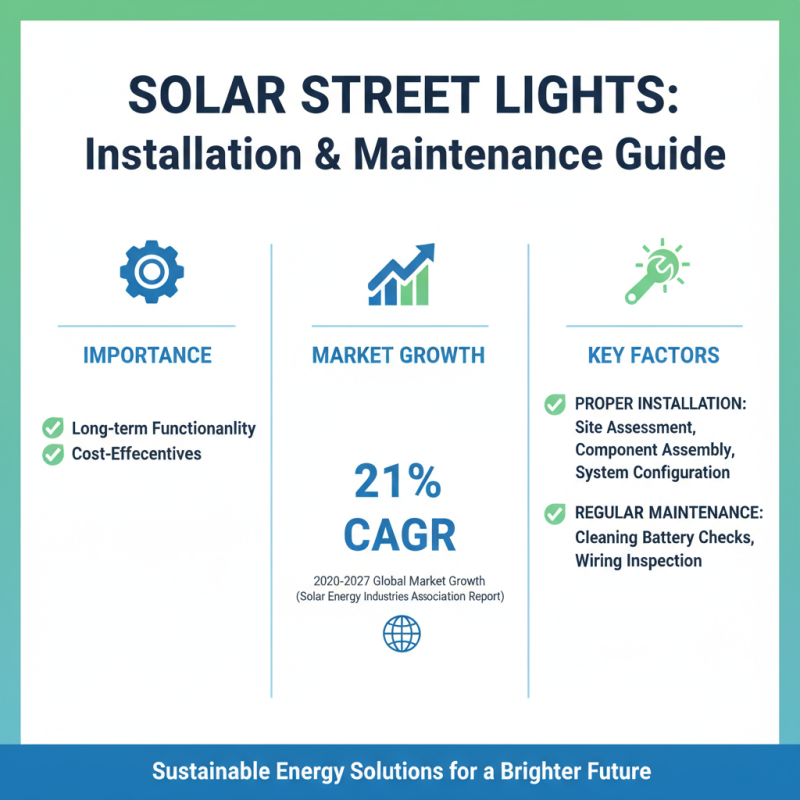
When selecting solar street lights, evaluating installation and maintenance requirements is crucial for ensuring long-term functionality and cost-effectiveness. According to a report by the Solar Energy Industries Association, the global solar street lighting market is projected to grow at a CAGR of 21% from 2020 to 2027. This growth indicates increasing adoption and a shift towards sustainable energy solutions, but proper installation and maintenance are vital for maximizing the benefits of these systems.
Installation of solar street lights typically involves site assessments to determine sun exposure and roadway coverage. A study published by the International Renewable Energy Agency highlights that optimal placement can enhance energy efficiency, with lights ideally receiving at least six hours of direct sunlight daily. Maintenance requirements are generally low, but periodic checks are essential to ensure that solar panels remain clean and unobstructed. It is recommended that battery systems be inspected every couple of years to prevent performance degradation, as reported in the recent findings by the European Photovoltaic Industry Association, indicating that batteries often account for 25-30% of a solar system’s total operational costs.