How to Choose the Best Solar Pole Lights for Your Outdoor Space?
Choosing the best solar pole lights can transform your outdoor space. These lights offer functionality and aesthetic appeal. With various options available, selecting the right one may feel overwhelming.
Solar pole lights illuminate pathways and gardens. Their energy efficiency is a major advantage. Many designs feature attractive finishes that integrate with your landscape. However, not all lights are created equal. Some may lack brightness or durability. It’s crucial to consider your specific needs when making a choice.
Evaluate the area you want to light. Think about height, brightness, and style. Poor selections can lead to disappointment. Shop thoughtfully to find lights that match your vision. With careful consideration, you can find solar pole lights that enhance your outdoor experience.
Factors to Consider When Selecting Solar Pole Lights
When choosing solar pole lights, several factors come into play. Light output is essential. Look for lights with lumens between 100 and 300 for your outdoor space. Brighter lights ensure better visibility at night. Consider the design as well. The style should match your outdoor decor.
Tip: Check the materials. Durable materials can withstand weather changes. Plastic may not last as long as metal or glass. Think about the battery life. A good battery can provide longer illumination during the night. Look for lights with replaceable batteries for convenience.
Another element to weigh is installation. Many solar pole lights are easy to set up. However, some require tools or professional help. Think about where to place them. Location is vital. Ideal spots are areas that receive ample sunlight during the day. Improper placement may impact their performance.
Understanding Different Types of Solar Pole Lights
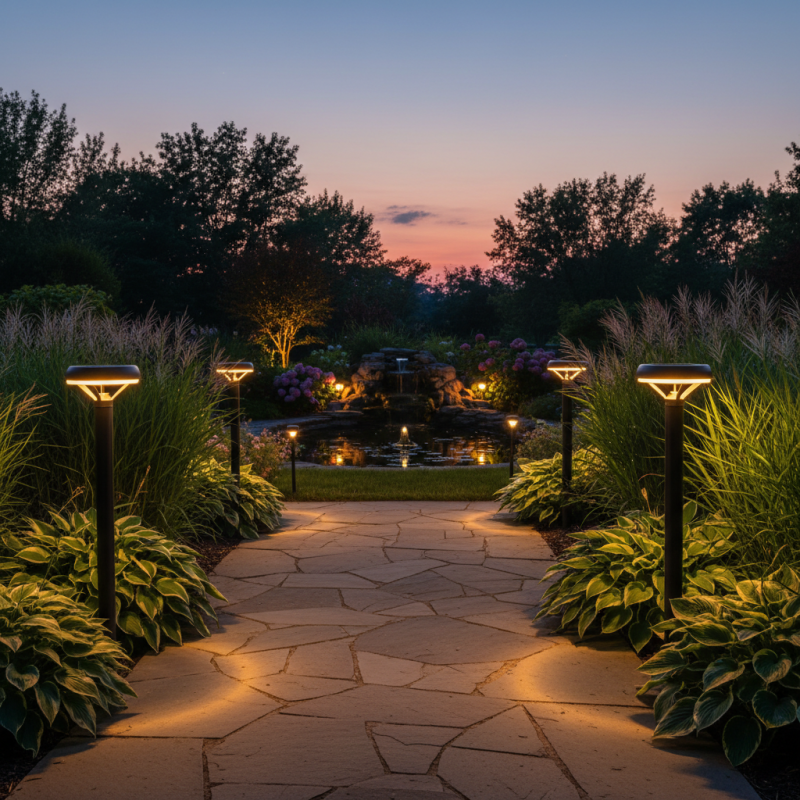
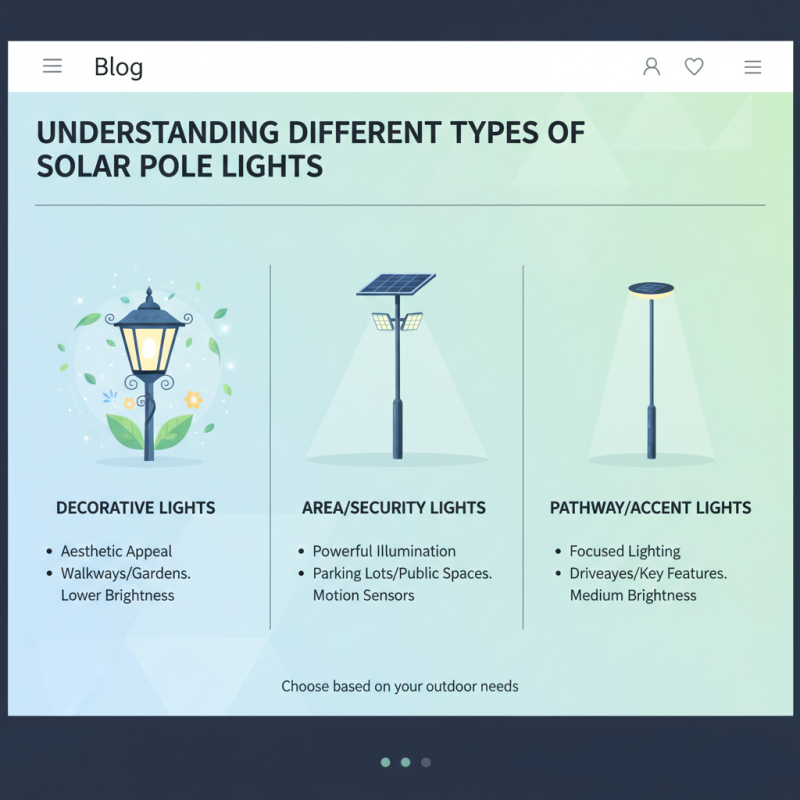
When choosing solar pole lights, understanding different types is essential. There are several variations available, each suited for specific outdoor needs. For instance, decorative lights offer aesthetic appeal along walkways or gardens. They typically feature unique designs that can enhance your landscape. However, they may not always provide the brightest illumination.
Functional solar pole lights serve a different purpose. These often emit a stronger light suitable for security in darker areas. Many have motion sensors that activate during activity. This feature helps in conserving energy, but it can sometimes be overly sensitive, causing unexpected light bursts at night.
Another consideration is the material of the pole lights. Durable materials can withstand various weather conditions. Plastic models are lightweight and often more affordable, but they might lack longevity. Metal options tend to be sturdier but can rust if not properly coated. Thinking through these factors can help you find the right fit for your outdoor space.
Evaluating Brightness and Lumens for Outdoor Spaces
When choosing solar pole lights for your outdoor space, brightness and lumens are crucial factors. Lumens measure the amount of light emitted. Higher lumens translate to brighter lights. For pathways or patios, consider at least 100 lumens per fixture. This brightness will ensure safety and visibility at night. If your space is larger, you may need 200 lumens or more for adequate illumination.
However, not all bright lights create an inviting atmosphere. Some overly bright fixtures can create harsh glare. Balance is key. Soft lighting can enhance the ambiance without being overwhelming. Aim for a mix of lights with varying lumens to create depth. Look at the color temperature as well. Warmer lights can bring a cozy feel, while cooler lights provide a modern touch.
In your selection, reflect on your specific needs. How do you use your outdoor space? For gatherings, softer lights may work better. For security, brighter options are essential. Check for the light's durability too. Some may not withstand harsh weather conditions. Testing a few options before making a final choice can be beneficial. Don’t rush the decision; take time to evaluate your preferences and requirements.
Assessing Battery Life and Solar Panel Efficiency
When choosing solar pole lights, battery life and solar panel efficiency are essential factors. Battery life directly affects how long your lights will run at night. Ideally, opt for lights with lithium-ion batteries. They last longer and perform better in various temperatures. However, not all manufacturers disclose battery specifications clearly. This can lead to confusion. Check for user reviews to gauge actual battery performance over time.
Solar panel efficiency is equally crucial. A high-efficiency solar panel captures more sunlight. This means the lights can charge faster during the day. Look for panels with at least 15% efficiency. However, note that some panels may exhibit reduced performance in cloudy weather. Understand that placement matters too. Trees or buildings casting shadows can hinder charging. Often, customers overlook this aspect, leading to underperformance. It is vital to evaluate your outdoor space before making a final decision.
Installation Tips for Optimal Solar Pole Light Performance
When installing solar pole lights, placement is crucial. Find spots that receive maximum sunlight during the day. A bright atmosphere enhances the performance at night. Obstructions like trees or buildings can cast shadows. This can diminish efficiency, leading to disappointing results. Check the manufacturers' instructions for optimal angles.
Secure the pole firmly in the ground. A shaky installation may cause the light to misalign over time. Use a level to ensure the installation is straight. Consider using concrete for added stability. It minimizes the chance of tipping over in strong winds or storms. Regularly check the lights for dirt and debris accumulation. This can block the solar panel and reduce charging efficiency.
Think about the seasonal changes. Trees might lose leaves, leading to new shadows. Monitor the lights as the seasons change. It’s valid to feel uncertain about your placement choices. Reflect on their performance regularly to ensure they meet your needs. Adjust the positions if necessary. Remember that even small changes can have a big impact.