How to Choose the Best Solar Lighting for Your Outdoor Space
When it comes to enhancing the beauty and functionality of outdoor spaces, the choice of lighting plays a crucial role. Solar lighting, in particular, has gained popularity due to its eco-friendly nature and ease of installation. According to Dr. Emily Reynolds, a leading expert in sustainable energy solutions, “The right solar lighting can transform your outdoor environment into a vibrant, welcoming space while contributing to energy conservation.” This notion emphasizes the importance of selecting the appropriate solar lighting to suit individual needs, aesthetics, and environmental considerations.
As homeowners increasingly seek ways to reduce their carbon footprint, solar lighting offers a compelling solution. It harnesses the power of the sun, providing illumination without the added costs associated with traditional electricity. The market is flooded with various options, making it essential to navigate through them wisely. Understanding factors such as brightness, battery life, and design will enable you to make informed decisions that enhance your outdoor areas effectively while aligning with sustainable practices.
In this article, we will explore the key aspects of choosing the best solar lighting for your outdoor space, empowering you to create an inviting atmosphere that showcases your garden, patio, or pathway while minimizing environmental impact. Through careful consideration of these elements, you can illuminate your surroundings beautifully and responsibly.
Understanding Your Outdoor Lighting Needs
When considering solar lighting for your outdoor space, it's essential to first understand your specific lighting needs. Take inventory of the areas you wish to illuminate, such as pathways, gardens, patios, or security zones. Each of these spaces will have different requirements: for instance, pathways may require brighter lights to ensure safety, while a garden might benefit from subtle, decorative lighting to enhance its beauty. Understanding the purpose of the lighting is crucial in making the right choice.
Next, consider the ambient conditions of your outdoor area. Factors like the amount of natural sunlight the space receives throughout the day can significantly influence the performance of solar lights. Locations with limited sunlight may need solar fixtures with larger batteries or more efficient solar panels to ensure they operate effectively at night. Additionally, think about the duration of lighting you desire; for example, if you want lights that stay on for several hours after dark, ensure the selected models have adequate battery capacity. By evaluating these needs, you'll be better equipped to choose solar lighting that enhances your outdoor experience while meeting practical requirements.
Evaluating Different Types of Solar Lighting
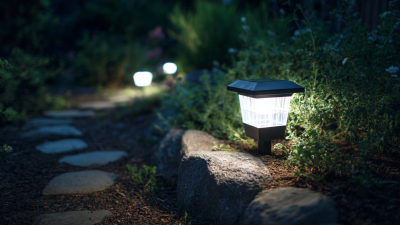
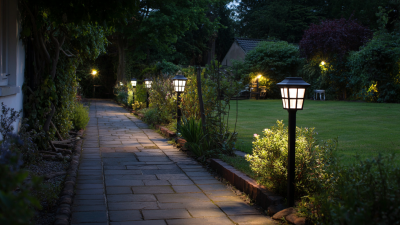
When evaluating different types of solar lighting for your outdoor space, it's essential to understand the various options available. Pathway lights are a popular choice, perfect for illuminating walkways and garden paths. They typically come equipped with built-in solar panels and are designed to absorb sunlight during the day, providing soft, ambient light at night. Their functional design ensures safety while also enhancing the visual appeal of your landscape.
Another category to consider is floodlights, which offer a more intense illumination and are ideal for larger areas such as patios or backyards. These lights can also serve dual purposes, acting as security lights while adding atmospheric lighting for evening gatherings. A solar floodlight often features adjustable settings and motion sensors, increasing its versatility and effectiveness.
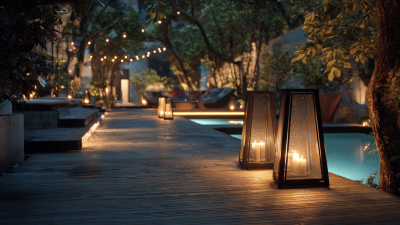
Finally, decorative solar lights, such as string lights or lanterns, can add a charming touch to outdoor spaces. They are often used to create a cozy atmosphere for entertaining guests or simply enjoying a quiet evening outdoors. When selecting these decorative options, consider the style and brightness you desire to ensure they complement your space without overpowering it. Each type of solar lighting offers unique benefits; understanding their features will help you make an informed choice tailored to your outdoor needs.
Comparison of Different Types of Solar Lighting for Outdoor Spaces
This chart displays a comparison of various types of solar lighting based on their average brightness (measured in lumens) and typical cost (measured in USD). Such information can help you make an informed decision when selecting solar lighting for your outdoor space.
Key Features to Look for in Solar Lights
When choosing solar lighting for your outdoor space, it's essential to consider a few key features that can greatly impact functionality and efficiency. The first feature to look for is brightness, typically measured in lumens. Depending on the area you wish to illuminate, you'll need different levels of brightness. Pathways may require softer lighting, around 100 lumens, while larger areas like patios may need at least 300 lumens for effective visibility.
Another important aspect is battery life and charging time. Quality solar lights should have robust batteries that can hold a charge for extended periods, especially during cloudy weather. Ideally, you want lights that can last through the night after a full day of sunlight. Additionally, check the charging time—efficient solar lights should be able to recharge fully within 6 to 8 hours.
Tips for selecting the right solar lights include assessing the potential sunlight exposure in your yard. If certain areas receive less sunlight, consider lights with higher capacity batteries or those that have built-in solar panels designed for partial shade. Also, think about the design and material of the lights; durable, weather-resistant materials can ensure a longer lifespan and better performance against outdoor elements. This attention to detail will help you find the best solar lighting solution for your space.
Installation and Maintenance Tips for Solar Lighting
When installing solar lighting in your outdoor space, it's essential to consider the placement and conditions that will optimize its performance. Start by identifying areas that require illumination and ensure they receive adequate sunlight during the day. Solar lights need direct sunlight to charge effectively, so avoid placing them in shaded spots created by trees or buildings. The general rule is to install these lights at least 6 feet apart to achieve an even light distribution, while also ensuring pathways and key features are well-highlighted.
Maintenance of solar lighting is relatively simple but crucial for longevity. Regularly check the solar panels to ensure they are clean and free from debris, as dirt can significantly reduce their efficiency. It's also advisable to replace rechargeable batteries every couple of years, depending on usage and weather conditions. To enhance the durability of solar lights, especially in harsh weather, securing them properly in the ground or using protective casing can prevent damage. Lastly, during winter months, consider bringing solar lights indoors when not in use or using them in areas that can restrict snow accumulation to keep them in working condition.
Budgeting for Solar Lighting Solutions
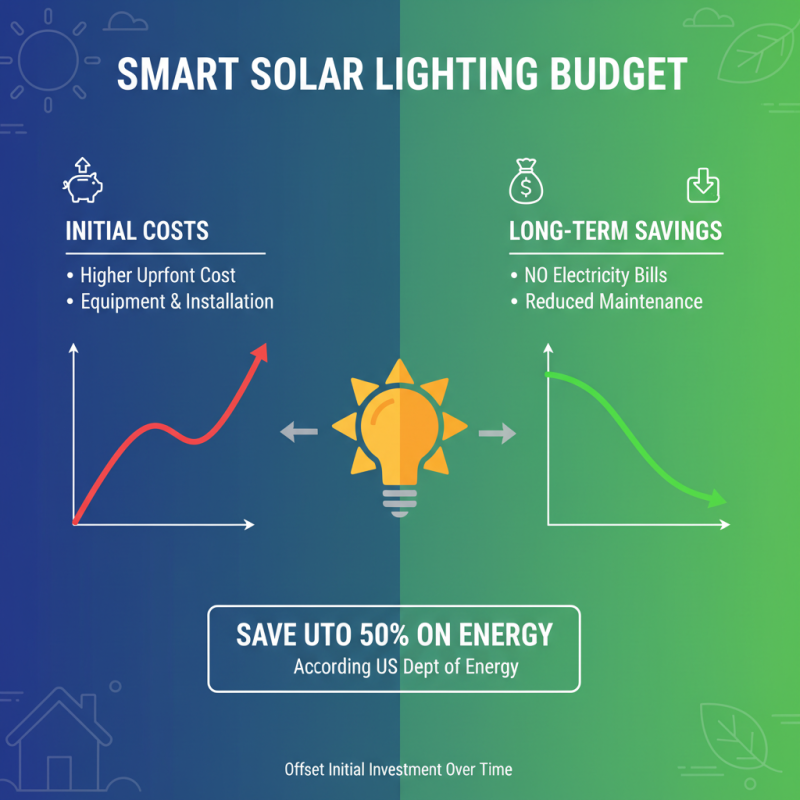
When budgeting for solar lighting solutions for your outdoor space, it’s essential to understand both the initial costs and long-term savings these systems can offer. According to a recent report by the U.S. Department of Energy, energy-efficient outdoor lighting can reduce energy expenses by up to 50%. While the upfront cost of solar lighting might be higher than traditional lighting, the savings on electricity bills and maintenance over time can significantly offset this initial investment.
Moreover, the average cost of solar-powered outdoor lights ranges from $15 to $100 per unit, depending on the brightness, features, and design. A study by the National Renewable Energy Laboratory found that by utilizing solar lighting systems, homeowners can expect a return on investment (ROI) within 3 to 4 years due to decreased utility costs and less frequent replacement of fixtures. Setting a realistic budget that accommodates both product cost and installation (if necessary) will help homeowners select the optimal lighting solution tailored to their financial constraints, while also enhancing their outdoor aesthetics and environmental footprint.