Why Choose All In One Solar Street Light for Your Project?
When considering urban lighting solutions, the "all in one solar street light" stands out as a game-changer. This innovative technology combines practicality with sustainability, making it a prime choice for modern projects. Renowned industry expert Dr. Emily Carter states, “An all in one solar street light not only reduces energy costs but also enhances community safety.” Her insights emphasize the advantages of these lights.
The design of all in one solar street lights integrates solar panels, batteries, and LED lights into a single unit. This compact structure simplifies installation and reduces maintenance needs. The lights can be deployed quickly in various settings, from city streets to rural areas. However, some users find that initial costs can be a concern.
Reflecting on project outcomes, leaders often note the potential for difficulties when sourcing quality products. Not all all in one solar street lights perform equally. It’s essential for decision-makers to seek reliable suppliers. Investing in a respected brand can mitigate risks and ensure long-term effectiveness.
Advantages of All In One Solar Street Lights Over Traditional Lighting Solutions
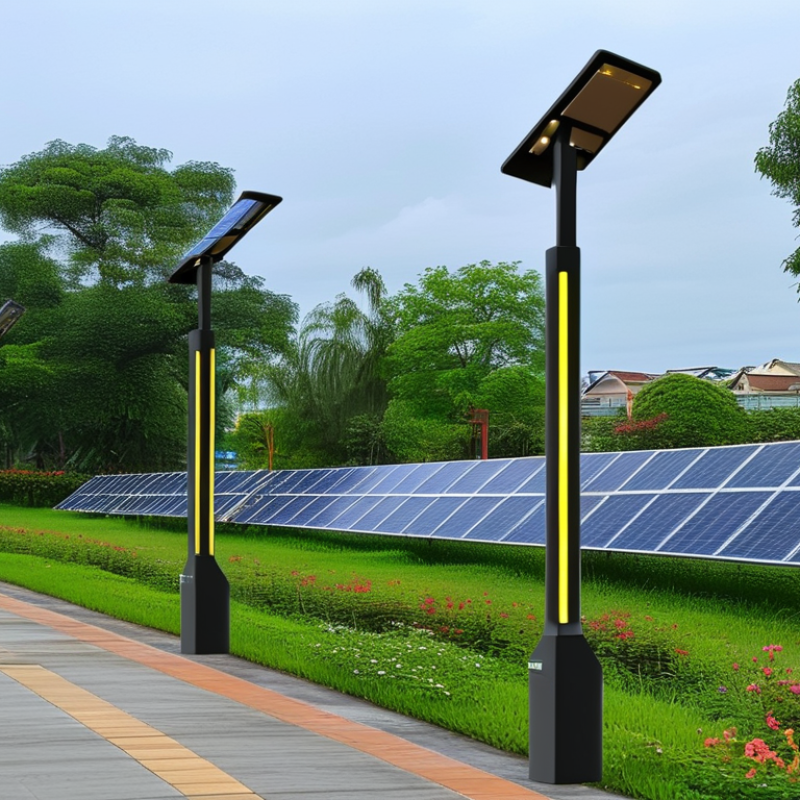
All in one solar street lights have distinct advantages over traditional lighting options. They combine solar panels, batteries, and LED lights into a single unit. This compact design simplifies installation. You don't need complex wiring or additional equipment. It makes them perfect for remote locations or areas lacking electrical infrastructure.
These solar lights are also environmentally friendly. They harness solar energy, reducing reliance on fossil fuels. This contributes to a lower carbon footprint. Additionally, maintenance is minimal. With few moving parts, these lights often last longer without needing replacements. This reliability can lead to significant cost savings over time.
However, it’s essential to consider location and usage. In areas with limited sunlight, charging efficiency can be a concern. Potential users should assess their specific needs and climate conditions. Understanding these factors can help in making a well-informed decision.
Cost-Effectiveness: Analyzing Initial Investment and Long-Term Savings
The cost-effectiveness of All In One Solar Street Lights is evident when considering both initial investment and long-term savings. On average, installing solar street lights can yield annual savings of 50-70% on energy costs compared to traditional lighting. According to a 2021 report from the International Renewable Energy Agency, solar technologies have become more affordable by 89% since 2009. This trend indicates that investing in solar solutions can lead to significant financial benefits.
Initial investments for All In One systems may seem high, with average costs ranging from $2,000 to $3,500 per unit. However, these street lights require minimal maintenance, which reduces long-term expenditures. A study by the U.S. Department of Energy revealed that LEDs, commonly used in solar lights, can last up to 25,000 hours. This longevity means fewer replacements, contributing to overall savings.
Moreover, the possibility of tax incentives and rebates can further offset costs. Cities investing in solar infrastructure often see an uptick in economic activity. Nonetheless, the transition to solar street lighting might not be suited for every locale. Some areas may experience inconsistencies in sunlight exposure, impacting efficiency. It’s crucial for project developers to assess geographic factors before installation.
Energy Efficiency: Understanding Solar Technology and Its Impact on Consumption
Solar technology has revolutionized energy consumption, especially in street lighting. By harnessing sunlight, solar street lights reduce electricity costs significantly. These systems capture solar energy during the day and convert it into electricity, which powers the lights at night. This process minimizes reliance on grid electricity, leading to reduced energy consumption.
Understanding solar technology is essential. Solar panels, batteries, and LED lights work together to provide efficient illumination. The energy generated during the day is stored for use at night, ensuring continuous service. However, the size of the solar panel and battery capacity must be considered. Selecting the right components can be challenging but is crucial for optimal performance.
Some might wonder if solar lights are bright enough or how they perform in cloudy weather. These concerns highlight the need for education about solar technology. Indeed, solar street lights may not always match the brightness of traditional lights. But advancements in LED technology have improved their output. Regular maintenance and proper placement also play vital roles in their effectiveness. Understanding these factors is key to maximizing energy efficiency and achieving sustainable outcomes.
Why Choose All In One Solar Street Light for Your Project?
| Feature |
Description |
Impact on Energy Consumption |
Efficiency Rating |
| Solar Panel Technology |
Utilizes photovoltaic cells to convert sunlight into electricity. |
Reduces reliance on grid power, lowering overall energy costs. |
Up to 20% efficiency |
| Integrated Design |
All components integrated into one unit for easy installation. |
Minimizes installation time and cost, optimizing project budgets. |
Cost-efficient |
| LED Lighting |
Utilizes LED technology to provide bright illumination. |
Significantly reduces energy usage compared to traditional bulbs. |
80-90% more efficient |
| Smart Control Systems |
Automated sensors adjust lighting based on environmental conditions. |
Further reduces energy use by dimming lights during low-traffic hours. |
Highly adaptive |
| Sustainability |
Reduces carbon footprint by using renewable energy sources. |
Contributes to reduced greenhouse gas emissions. |
Environmentally friendly |
Environmental Benefits: Reducing Carbon Footprint with Solar Street Lights
Solar street lights are gaining popularity due to their substantial environmental benefits. By harnessing solar energy, these lights significantly reduce reliance on fossil fuels. This shift lowers greenhouse gas emissions, helping combat climate change. Each unit can offset tons of carbon dioxide over its lifespan, contributing to a cleaner atmosphere.
The use of solar street lights also encourages sustainable practices in communities. Cities can decrease energy costs while enhancing public safety. Additionally, these systems require minimal maintenance, making them both cost-effective and eco-friendly over time. However, achieving widespread adoption can be challenging due to initial costs and infrastructure concerns.
Investing in solar street lighting reflects a commitment to sustainability. Each installation sends a message about environmental responsibility. While challenges exist, the long-term benefits far outweigh them, leading to healthier ecosystems and improved air quality. Transitioning to renewable energy sources is an essential step towards a sustainable future.
Ease of Installation and Maintenance: A Comparison with Conventional Street Lighting
The installation of all-in-one solar street lights is notably simpler than traditional street lighting systems. Conventional systems often require extensive civil work, including trenching and wiring. This can significantly extend setup time and labor costs. A report from the International Renewable Energy Agency (IRENA) states that installation time can be reduced by up to 30% with all-in-one systems. This is largely due to the integrated design, which eliminates the need for separate components.
Maintenance is another critical consideration. Conventional lighting systems rely on wired connections and complex infrastructure. This can lead to higher maintenance costs and longer downtimes if repairs are needed. In contrast, all-in-one solar lights are designed for longevity and ease of access. The Solar Energy Industries Association (SEIA) notes that maintenance costs can be reduced by as much as 50% when using these systems. Additionally, fewer moving parts mean fewer chances for failure. Yet, some users have reported challenges with battery lifespan and performance in extreme weather.
While all-in-one solar street lights present significant advantages, they are not devoid of drawbacks. Some systems may underperform in areas with limited sunlight. This highlights the importance of thorough site assessments prior to installation. Understanding local conditions is essential for optimizing the benefits of solar technology. In the end, careful planning is crucial for maximizing the advantages of these innovative lighting solutions.
Comparison of Installation and Maintenance of All In-One Solar Street Lights vs Conventional Street Lights