2026 Best Solar Street Lamp Options for Sustainable Lighting?
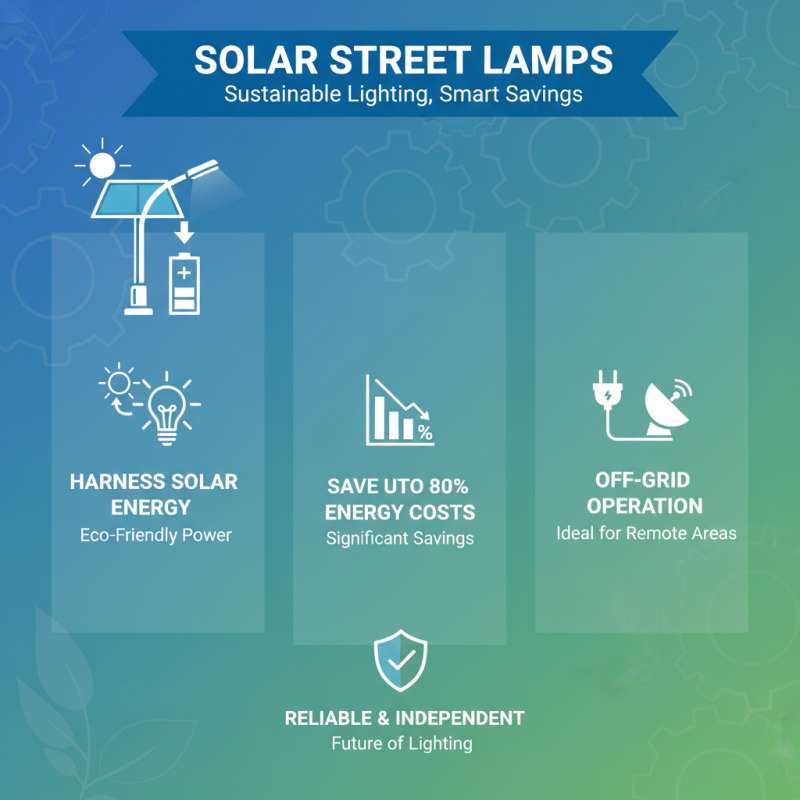
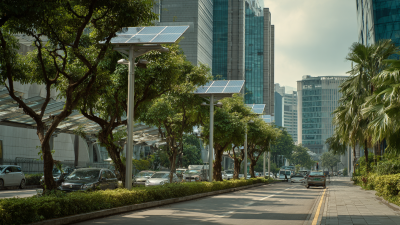
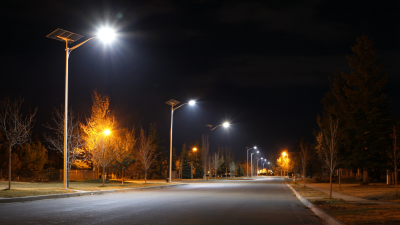
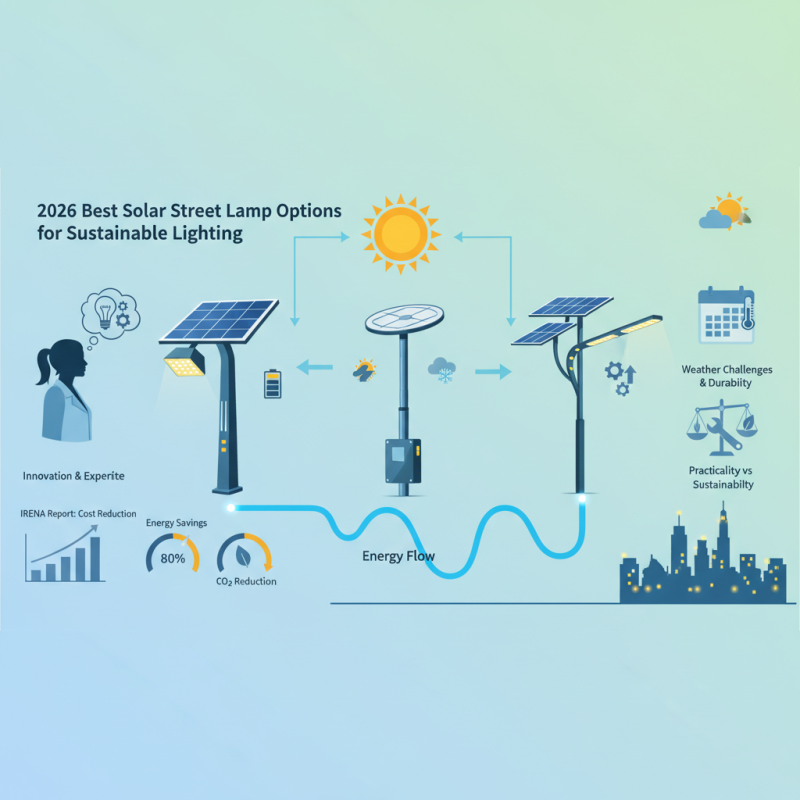
As cities increasingly seek sustainable solutions for urban lighting, solar street lamps have emerged as a viable option. According to a report by the International Renewable Energy Agency (IRENA), solar street lights can reduce energy costs by up to 80%. These lamps harness solar energy, offering an eco-friendly solution to nighttime illumination.
Expert Dr. Emily Hargrove, a leading figure in renewable energy technologies, emphasizes, "Solar street lamps not only illuminate streets but also empower communities." While these systems provide clear benefits, they also raise questions about durability and performance under varying weather conditions.
Many installations face challenges such as insufficient sunlight during winter months. This reality reminds us that adopting solar technology requires careful consideration. As cities plan for the future, the selection of the best solar street lamp options is crucial. Maintaining a balance between innovation and practicality remains a pressing concern in sustainable urban development.
Overview of Solar Street Lamps and Their Benefits
Solar street lamps have gained popularity for various reasons. These lights harness solar energy, providing a sustainable lighting solution. Reports show that solar street lighting can reduce energy costs by up to 80%. They operate independently of the grid, which is crucial for remote areas.
The benefits extend beyond cost savings. Solar street lamps can improve public safety. Well-lit streets deter crime and enhance community visibility. A study found that areas with solar lighting reported a 20% decrease in crime rates. However, installation costs can be a barrier. Many communities struggle to fund initial investments.
Durability is another concern. Some solar lamps may not withstand harsh weather conditions. Inconsistent performance can lead to dissatisfaction. Assessing long-term efficiency remains essential. Communities should choose products based on reliable performance metrics and case studies. This can help ensure that solar street lighting meets their unique needs.
Key Features to Consider When Choosing Solar Street Lamps
When choosing solar street lamps, consider several key features. The solar panel's efficiency is crucial for maximizing energy capture. Look for models with high-energy conversion rates. The battery capacity also matters. A larger battery ensures longer lighting duration at night. Durability is another vital aspect. Materials should withstand harsh weather conditions.
Light output quality should not be overlooked. Different lamps offer various lumen outputs. Higher lumens mean brighter light, but low-light areas may benefit from softer illumination. Smart technology integration can be beneficial, allowing for motion detection or dimming features. These options can save energy while providing adequate visibility.
Design aesthetics can play a role too. Sleek and modern styles can enhance urban landscapes. However, function should come before form. Sometimes, the cheapest option looks great but fails in performance. Be cautious with choices that seem too good to be true. Always evaluate real-world tests and reviews. Investing time in comparisons can yield the best results for sustainable lighting.
Top Solar Street Lamp Brands for 2026
When choosing solar street lamps, several key aspects stand out. Look for options that offer reliable illumination and durability. Many lamps today feature LED technology, which ensures bright light for extended hours. Solar panels on these lights should be efficient, converting sunlight into power effectively.
One often overlooked aspect is the battery life. Some options only last a few hours on a full charge. This could result in dark streets after sunset. Choosing a lamp that operates throughout the night is crucial for safety.
Design is another factor to consider. Aesthetic appeal can enhance public spaces. However, robust construction is essential for weather resistance. Many designs sacrifice durability for looks. This choice can lead to disappointing performance over time. Ensuring a balance between style and strength is vital for sustainable lighting solutions.
Comparative Analysis of Solar Street Lamp Models
As cities embrace sustainability, solar street lamps emerge as a compelling solution for public lighting. A comparative analysis of various models reveals significant differences in efficiency and features. Reports indicate that many solar street lamps offer over over 100 lumens per watt, significantly improving visibility in urban areas. This higher efficiency translates into longer operational hours at night, which is crucial for safety.
Not all solar street lamps are created equal. Some have integrated batteries with short lifespans and require frequent replacements. A study found that 30% of installations experienced lighting inconsistencies due to inadequate solar panel quality. Reflections from these findings highlight the necessity for rigorous testing and selection. Why invest in a model with mediocre performance?
The environmental impact is notable. Projects utilizing proper solar street lamps can cut electricity costs by 60%. Likewise, effective use of solar technology reduces carbon emissions. While the benefits are clear, the evolving market demands continuous evaluation. Potential buyers must weigh their options carefully, considering factors like installation costs and maintenance needs. Do we settle for less just to save money now?
Installation and Maintenance Tips for Solar Street Lamps
When installing solar street lamps, location is crucial. Opt for sites with maximum sunlight exposure. A report from the National Renewable Energy Laboratory shows that solar efficiency can drop by 40% in shaded areas. Choose mounting heights that ensure light coverage while minimizing glare. A height of 10 to 15 feet often works best for urban areas.
Maintenance is another key aspect. While solar lamps require less upkeep than traditional lights, routine checks are still necessary. Clean solar panels regularly to prevent dirt buildup, which can reduce efficiency by up to 30%. Check battery health annually; they typically have a lifespan of 3 to 5 years. Replace batteries when necessary, especially if light output decreases. Sometimes, lamps may fail to turn on due to sensor malfunctions, requiring inspection.
Consider potential challenges in extreme weather conditions. High winds might necessitate additional securing methods. Snow and ice can obstruct panels, obstructing their efficiency. Account for these factors in installation planning. Knowledge of local weather trends can guide decisions on the best types of solar lamps for specific environments.